
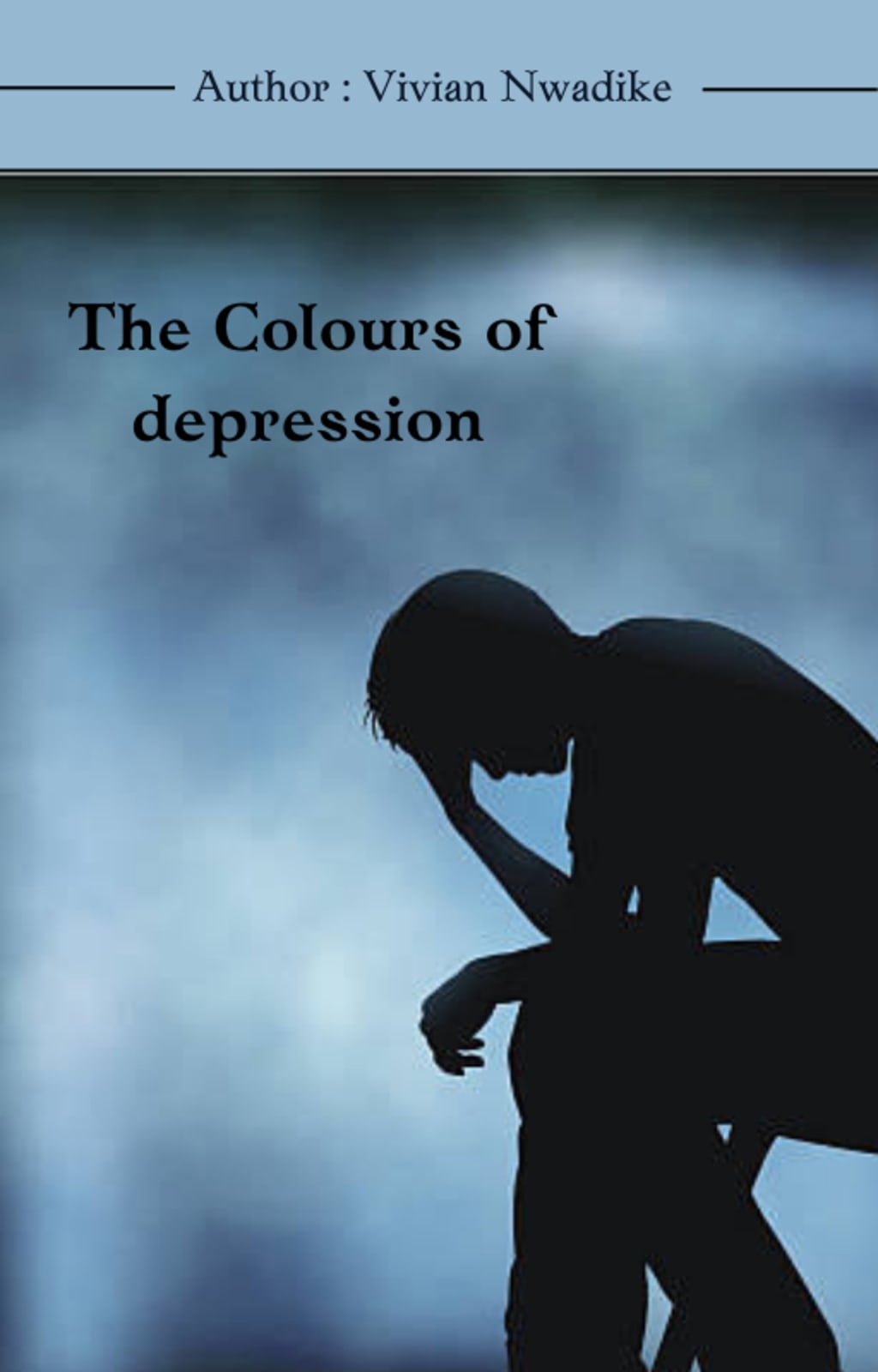
Sophia had always been a bright and bubbly person. Her smile would light up a room, and her infectious laughter could make anyone's day. She had a zest for life that was as colourful as the clothes she wore, and she loved nothing more than exploring new places, meeting new people, and trying new things.
But one day, everything changed.
Sophia had been going through a tough time in her life. She had lost her job, her relationship had ended, and she was struggling to find her place in the world. She felt lost and alone, and slowly but surely, her once vibrant personality started to fade away.
As the days passed, Sophia started to see the world in a different light. The colours that used to bring her joy now seemed dull and lifeless. The bright greens of the trees outside her window looked grey and faded, the blue of the sky seemed too dark, and the yellow of the sun was too weak to bring warmth to her heart.
To Sophia, the world had become a painting that had lost its vibrancy. It was as if the colours of depression had taken over, casting a shadow over everything she saw. The more she tried to shake the feeling, the more the colours of depression seemed to take over.
Days turned into weeks, and Sophia became more and more isolated. She stopped going out, stopped seeing her friends, and stopped doing the things she loved. The colours of depression had taken over her life, and she didn't know how to break free.
It wasn't until Sophia sought help that she started to see the colours of life again. With therapy and support, she slowly but surely started to see the world in a different light. The greens of the trees started to look vibrant again, the blue of the sky became a beautiful backdrop for the sun, and the yellow of the sun brought warmth to her heart once more.
Sophia realized that the colours of depression had been a veil that had clouded her vision, but with help, she was able to break free. She learned that it's okay to ask for help, and that there is always someone out there willing to listen. And though the colours of depression may return from time to time, she now knows that they don't have to last forever.
As Sophia continued with her therapy, she began to understand the colours of depression in a new way. She saw them not as a shadow, but as a part of the spectrum of emotions that we all experience as human beings.
The colour blue, for example, was often associated with sadness and depression. But Sophia started to see it in a new light. To her, blue represented the depth of emotion that comes with sadness. It was a colour that could be both soothing and melancholy, and it reminded her that it was okay to feel sad sometimes.
Similarly, the colour grey, which was often associated with depression, started to take on new meaning for Sophia. She saw it as a neutral colour, one that could be both calming and reflective. It was a reminder that sometimes, it's okay to take a step back and reflect on our emotions.
And then there was black, a colour that was often associated with darkness and despair. Sophia started to see it as a colour of strength and resilience. It was a reminder that even in our darkest moments, there is always a light at the end of the tunnel.
As Sophia continued to explore the colours of depression, she realized that they weren't something to be ashamed or scared of . She didn’t have to carry the weight all alone.
About the Creator
Keep reading
More stories from Nwadike vivian and writers in Motivation and other communities.
Almost, But Not Quite.
The first time Naya met Tobi, she swore she felt something shift in the universe. It wasn’t just attraction it was like her soul had found a home it never knew it was searching for. And somehow, he felt it too. They clicked in a way that made love look easy, effortless. Like breathing.
By Nwadike vivian11 months ago in Writers
Influential Women Magazine: Where Modern Leaders Rise
Influence today is no longer about loud visibility or fleeting online fame. It is about substance, values, and real-world impact. Women across industries are redefining leadership by building businesses, driving innovation, mentoring communities, and shaping conversations that matter.
By influentialwomenmagazine7 days ago in Motivation




Comments
There are no comments for this story
Be the first to respond and start the conversation.