
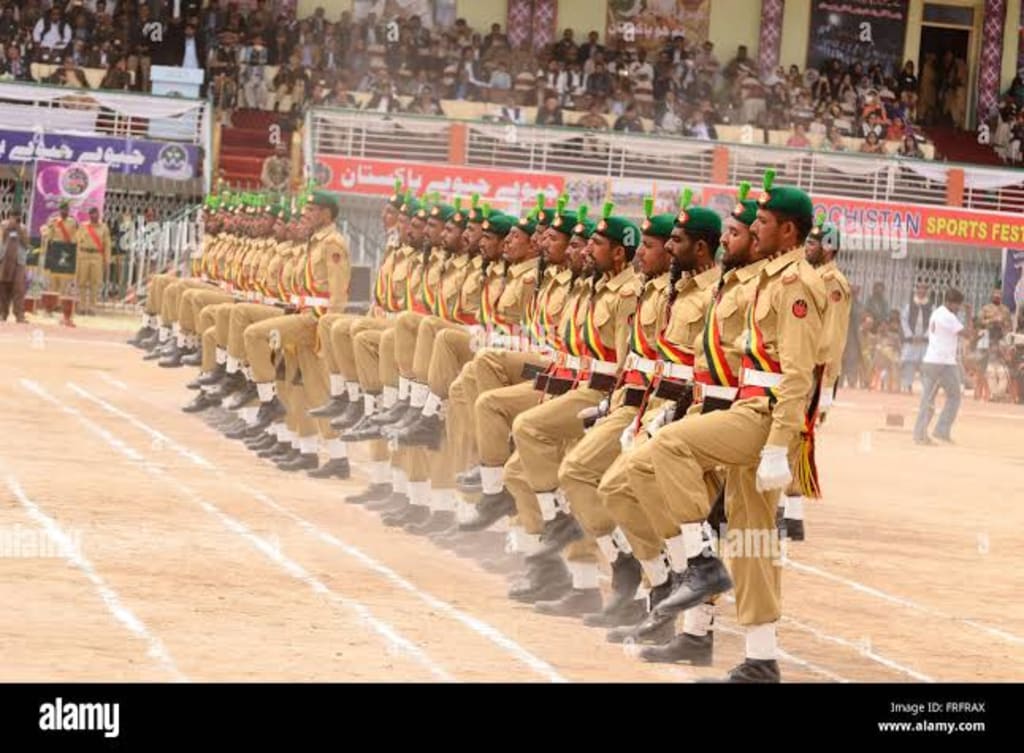
Title: The Pakistani Army: A Pillar of Strength and National Defense
Introduction:
The Pakistani Army stands as a formidable force, serving as a symbol of national unity, strength, and resilience. With a rich history and a deep-rooted commitment to safeguarding the nation's sovereignty, the Pakistani Army plays a crucial role in ensuring security, stability, and peace within the country and beyond its borders. This article delves into the key aspects of the Pakistani Army, highlighting its history, organizational structure, responsibilities, and contributions to the nation.
A Historical Legacy:
The roots of the Pakistani Army trace back to the partition of the Indian subcontinent in 1947 when the British Indian Army was divided between India and Pakistan. Since then, the Pakistani Army has evolved into a disciplined and professional military institution. It has faced numerous challenges, including conflicts with neighboring India, counterterrorism operations, and natural disasters. The army's unwavering commitment to upholding the country's territorial integrity and national interests has earned it immense respect and admiration.
Organizational Structure:
The Pakistani Army operates under a well-defined hierarchical structure. At the top is the Chief of Army Staff (COAS), who serves as the highest-ranking military officer and plays a pivotal role in strategic decision-making. The army is divided into various corps, each responsible for specific geographical regions and specialized functions such as infantry, artillery, and armored warfare. The Pakistani Army also comprises the Pakistan Army Air Defense Command, the Army Medical Corps, and the Corps of Engineers, among others, to ensure comprehensive operational capabilities.
Responsibilities and Roles:
The primary responsibility of the Pakistani Army is the defense and security of Pakistan. It acts as a guardian of the nation's borders, maintaining vigilance to counter external threats and safeguard territorial integrity. The army also plays a crucial role in supporting civil authorities during times of national emergencies, such as natural disasters and internal security challenges. Additionally, the Pakistani Army contributes to United Nations peacekeeping missions, reflecting its commitment to global peace and stability.
Contributions and Development :
The Pakistani Army has made significant contributions to the socio-economic development of the country. Beyond its defense role, it has played a vital part in nation-building endeavors, such as infrastructure development, education, healthcare, and disaster relief operations. The army operates several educational institutions and medical facilities, providing quality education and healthcare services to its personnel and the public. Moreover, the army actively promotes national unity through cultural and sports events, fostering a sense of pride, discipline, and patriotism among its ranks and the civilian population.
Conclusion
The Pakistani Army's unwavering dedication to safeguarding Pakistan's sovereignty, maintaining peace, and contributing to national development makes it a vital institution in the country. With a rich history, well-organized structure, and a committed force, the army continues to serve as a pillar of strength, ensuring the security and progress of the nation, while upholding the values of discipline, sacrifice, and integrity.
Title: Pakistani Army: A Stronghold of Security and National Defense
Introduction:
The Pakistani Army holds a pivotal role in safeguarding the nation's territorial integrity and maintaining internal stability. Known as the Pakistan Army, it is the principal land warfare branch of the Pakistan Armed Forces. With a rich history and a strong commitment to national defense, the Pakistani Army has played a crucial role in shaping the country's destiny. This article provides an overview of the Pakistani Army, its organizational structure, its contributions to national security, and its role in promoting regional stability.
Historical Background:
The Pakistan Army traces its roots back to the British Indian Army, from which it gained independence in 1947 during the partition of the Indian subcontinent. The army's initial formation was marked by the integration of units and personnel from various regions, cultures, and faiths. Since its inception, the Pakistani Army has been entrusted with the responsibility of protecting the country against external threats and maintaining peace within its borders.
Organizational Structure:
The Pakistani Army operates under a well-defined organizational structure. The Chief of Army Staff (COAS) serves as the highest-ranking military officer and is responsible for overseeing the army's operations. Underneath the COAS, the army is divided into various commands, corps, and divisions, each with specific roles and responsibilities. The army also includes specialized branches such as the armored corps, infantry, artillery, aviation, and engineers, which collectively contribute to its operational capabilities.
Contributions to National Security:
The Pakistani Army has made significant contributions to national security in various domains. It has actively participated in multiple conflicts, including the Indo-Pakistani wars, defending the nation's borders against external aggression. The army has also been involved in numerous internal security operations to combat terrorism, insurgency, and maintain law and order in challenging regions such as the Federally Administered Tribal Areas (FATA) and Balochistan.
Additionally, the Pakistani Army has been instrumental in providing assistance during natural disasters, including earthquakes and floods, by mobilizing its resources and personnel for relief and rescue operations. It also plays a crucial role in supporting civilian authorities during times of national emergencies, ensuring the safety and well-being of the population.
Promoting Regional Stability:
As a key regional player, the Pakistani Army has been actively involved in peacekeeping missions under the United Nations flag. Pakistani troops have served in various countries, including Sierra Leone, Sudan, and Congo, where they have helped maintain peace, provide humanitarian assistance, and restore stability in conflict-ridden regions. Such contributions demonstrate Pakistan's commitment to global peace and security.
Furthermore, the Pakistani Army has been engaged in diplomatic initiatives to promote regional stability. It has played a significant role in facilitating peace talks between the Afghan government and the Taliban, aiming to find a peaceful resolution to the conflict in neighboring Afghanistan. These efforts underscore Pakistan's commitment to fostering stability and prosperity in the region.
Conclusion:
The Pakistani Army stands as a formidable force committed to the defense and security of Pakistan. With a rich heritage, a strong organizational structure, and a wide range of capabilities, it has played a pivotal role in safeguarding the nation against external threats and maintaining
internal stability. Through its contributions to national security and efforts in promoting regional stability, the Pakistani Army continues to shape the country's destiny Security and National Defense
Introduction:
The Pakistani Army holds a pivotal role in safeguarding the nation's territorial integrity and maintaining internal stability. Known as the Pakistan Army, it is the principal land warfare branch of the Pakistan Armed Forces. With a rich history and a strong commitment to national defense, the Pakistani Army has played a crucial role in shaping the country's destiny. This article provides an overview of the Pakistani Army, its organizational structure, its contributions to national security, and its role in promoting regional stability.
Historical Background:
The Pakistan Army traces its roots back to the British Indian Army, from which it gained independence in 1947 during the partition of the Indian subcontinent. The army's initial formation was marked by the integration of units and personnel from various regions, cultures, and faiths. Since its inception, the Pakistani Army has been entrusted with the responsibility of protecting the country against external threats and maintaining peace within its borders.
Organizational Structure:
The Pakistani Army operates under a well-defined organizational structure. The Chief of Army Staff (COAS) serves as the highest-ranking military officer and is responsible for overseeing the army's operations. Underneath the COAS, the army is divided into various commands, corps, and divisions, each with specific roles and responsibilities. The army also includes specialized branches such as the armored corps, infantry, artillery, aviation, and engineers, which collectively contribute to its operational capabilities.
Contributions to National Security:
The Pakistani Army has made significant contributions to national security in various domains. It has actively participated in multiple conflicts, including the Indo-Pakistani wars, defending the nation's borders against external aggression. The army has also been involved in numerous internal security operations to combat terrorism, insurgency, and maintain law and order in challenging regions such as the Federally Administered Tribal Areas (FATA) and Balochistan.
Additionally, the Pakistani Army has been instrumental in providing assistance during natural disasters, including earthquakes and floods, by mobilizing its resources and personnel for relief and rescue operations. It also plays a crucial role in supporting civilian authorities during times of national emergencies, ensuring the safety and well-being of the population.
Promoting Regional Stability:
As a key regional player, the Pakistani Army has been actively involved in peacekeeping missions under the United Nations flag. Pakistani troops have served in various countries, including Sierra Leone, Sudan, and Congo, where they have helped maintain peace, provide humanitarian assistance, and restore stability in conflict-ridden regions. Such contributions demonstrate Pakistan's commitment to global peace and security.
Furthermore, the Pakistani Army has been engaged in diplomatic initiatives to promote regional stability. It has played a significant role in facilitating peace talks between the Afghan government and the Taliban, aiming to find a peaceful resolution to the conflict in neighboring Afghanistan. These efforts underscore Pakistan's commitment to fostering stability and prosperity in the region.
Conclusion:
The Pakistani Army stands as a formidable force committed to the defense and security of Pakistan. With a rich heritage, a strong organizational structure, and a wide range of capabilities, it has played a pivotal role in safeguarding the nation against external threats and maintaining internal stability. Through its contributions to national security and efforts in promoting regional stability, the Pakistani Army continues to shape the country's destiny and forge a path towards peace and progress.
About the Creator
Keep reading
More stories from Muhammad Sufiyan and writers in Motivation and other communities.
Diamond
Title: Unveiling the Enigma: Exploring the Mystique of Black Diamonds Introduction: Black diamonds, with their captivating allure and enigmatic charm, have been capturing the imagination of gem enthusiasts and jewelry lovers worldwide. Often referred to as "fancy black diamonds" or "carbonado," these unique gemstones possess an aura of mystery and elegance. In this article, we delve into the captivating world of black diamonds, uncovering their origin, characteristics, and growing popularity in the realm of luxury jewelry.
By Muhammad Sufiyan 3 years ago in Earth
Are you enough?
The front of my favorite hoodie proclaims in simple letters, "You are enough." Several weeks ago, I began listening to a book during my daily commute. The premise of the book rejects the message on the front of my hoodie. It claims that it is harmful to tell someone, "You are enough," as if saying that puts a burden too much to bear upon him or her. The author says, "'You are enough' means that 'you must be able to bear up in every circumstance without the help of anyone else. How is that a kind idea to convey?'"
By Mack D. Amesabout 13 hours ago in Motivation


Comments
There are no comments for this story
Be the first to respond and start the conversation.