
Take care of your Mental health
Health Care

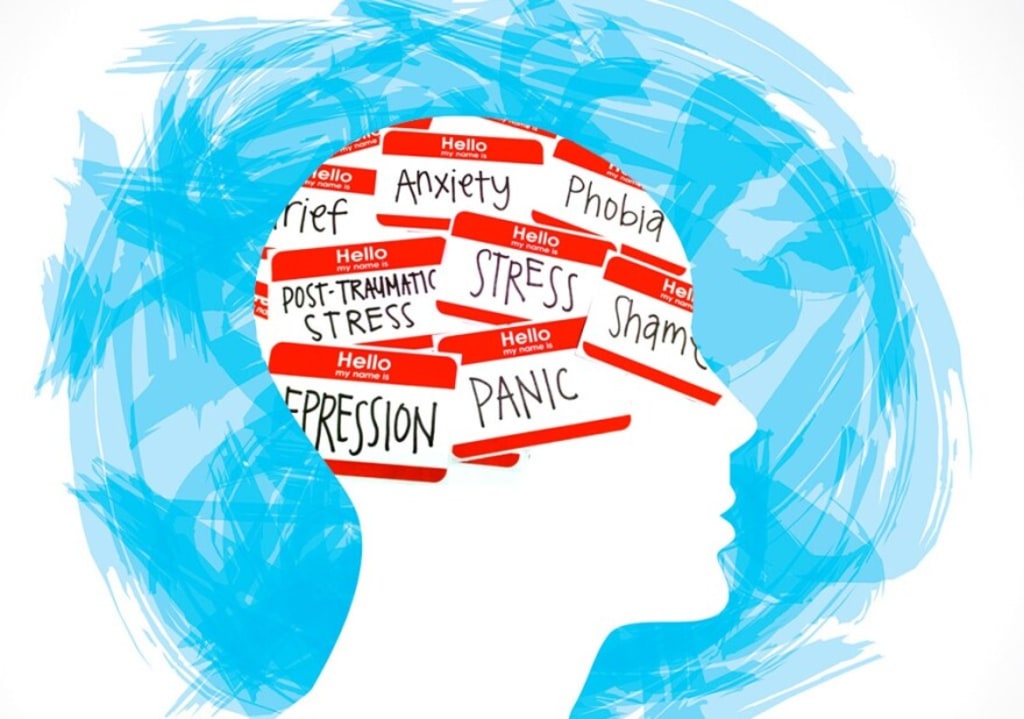
How to Improve your mental health
- Exercise regularly: Physical activity has been shown to have numerous mental health benefits, including reducing stress and anxiety, improving mood, and helping with sleep. Aim to get at least 30 minutes of moderate-intensity exercise, such as brisk walking, every day.
- Eat a healthy diet: A healthy diet that is rich in fruits, vegetables, whole grains, and lean proteins can help improve your mental health. Avoid processed and sugary foods, which can worsen mood and increase the risk of certain mental health conditions.
- Get enough sleep: Adequate sleep is important for maintaining good mental health. Aim for 7-9 hours of sleep per night and create a relaxing bedtime routine to help you fall asleep.
- Practice relaxation techniques: There are many relaxation techniques that can help reduce stress and improve mental health, such as deep breathing, meditation, and yoga. Experiment with different techniques and find what works best for you.
- Connect with others: Strong social connections are important for good mental health. Make time to spend with friends and family, and consider joining a support group or participating in activities that you enjoy.
Benefits of having good mental health
Having good mental health can have numerous benefits for your overall well-being and quality of life. Some of the benefits of good mental health include:
- Improved physical health: Good mental health has been linked to a range of physical health benefits, such as a stronger immune system, better cardiovascular health, and a lower risk of chronic conditions such as obesity and type 2 diabetes.
- Increased productivity: Good mental health can help you think more clearly and make better decisions, leading to improved performance at work and school.
- Better relationships: Good mental health can help you build and maintain strong, healthy relationships with others.
- Greater resilience: Having good mental health can help you bounce back from difficult situations and cope with stress more effectively.
- Increased happiness: Good mental health is associated with increased happiness and life satisfaction.
Also Maintaining good mental health can improve productivity in several ways:
- Increased focus and concentration: Good mental health can help you stay focused and concentrate on tasks for longer periods of time, making you more productive.
- Improved decision-making: When you are feeling mentally well, you are more likely to make sound decisions, which can help you be more productive and efficient.
- Enhanced problem-solving skills: Good mental health can help you approach problems with a clear mind, allowing you to find creative solutions more quickly.
- Greater motivation and energy: When you are feeling mentally well, you are more likely to feel motivated and have the energy to tackle tasks and projects.
- Better time management: Good mental health can help you prioritize tasks, manage your time effectively, and meet deadlines, all of which are important for productivity.
- Overall, good mental health can help you work more efficiently and effectively, leading to improved productivity and success.
Disadvantages of having poor mental health maintenance
- Decreased productivity: Poor mental health can lead to decreased focus, concentration, and motivation, which can negatively impact productivity at work or school.
- Difficulty with relationships: Poor mental health can make it difficult to maintain healthy, supportive relationships with others.
- Physical health problems: Poor mental health can lead to physical health problems, such as cardiovascular disease, obesity, and weakened immune systems.
- Increased risk of accidents and injuries: Poor mental health, particularly when it leads to impaired judgment or decision-making, can increase the risk of accidents and injuries.
- 5. Financial difficulties: Poor mental health can lead to absenteeism from work, which can result in lost income and financial strain. Additionally, the cost of treatment for mental health conditions can be expensive.
- Difficulty functioning in daily life: Poor mental health can make it difficult to carry out daily activities, such as taking care of oneself, managing one's finances, and completing household chores.
Overall, poor mental health can have a significant negative impact on a person's life and well-being.
Disadvantages of having poor sleeping cycle
- Decreased productivity: Poor mental health can lead to decreased focus, concentration, and motivation, which can negatively impact productivity at work or school.
- Difficulty with relationships: Poor mental health can make it difficult to maintain healthy, supportive relationships with others.
- Physical health problems: Poor mental health can lead to physical health problems, such as cardiovascular disease, obesity, and weakened immune systems.
- Increased risk of accidents and injuries: Poor mental health, particularly when it leads to impaired judgment or decision-making, can increase the risk of accidents and injuries.
- Financial difficulties: Poor mental health can lead to absenteeism from work, which can result in lost income and financial strain. Additionally, the cost of treatment for mental health conditions can be expensive.
- Difficulty functioning in daily life: Poor mental health can make it difficult to carry out daily activities, such as taking care of oneself, managing one's finances, and completing household chores.
Overall, poor mental health can have a significant negative impact on a person's life and well-being.
Summary
Maintaining good mental health is important for overall well-being and quality of life. There are several things you can do to improve your mental health, including:
• Exercise regularly
• Eat a healthy diet
• Get enough sleep
• Practice relaxation techniques
• Connect with others
Good mental health has numerous benefits, including improved physical health, increased productivity, better relationships, greater resilience, and increased happiness. On the other hand, poor mental health can lead to a range of problems, including decreased productivity, difficulty with relationships, physical health problems, an increased risk of accidents and injuries, financial difficulties, and difficulty functioning in daily life.
Poor mental health can also lead to the development of mental health conditions such as depression, anxiety disorders, bipolar disorder, schizophrenia, and eating disorders. It is important to prioritize good mental health and seek help if needed. A healthcare professional can provide guidance and support in maintaining good mental health.
About the Creator
Tharjalan Jeyaradnam
Im a techie who works in IT industry. Also a music programer and content writer
Keep reading
More stories from writers in Motivation and other communities.
Simplicity, Patience, and Success
For a long time, I believed success had to be loud. I thought it needed speed, pressure, and constant struggle. I chased more—more money, more recognition, more progress—without stopping to ask myself what it was costing me.
By Fazal Hadiabout 6 hours ago in Motivation


Comments
There are no comments for this story
Be the first to respond and start the conversation.