
Stitches
After losing use of my hand in an accident, sewing helped me re-learn normalcy
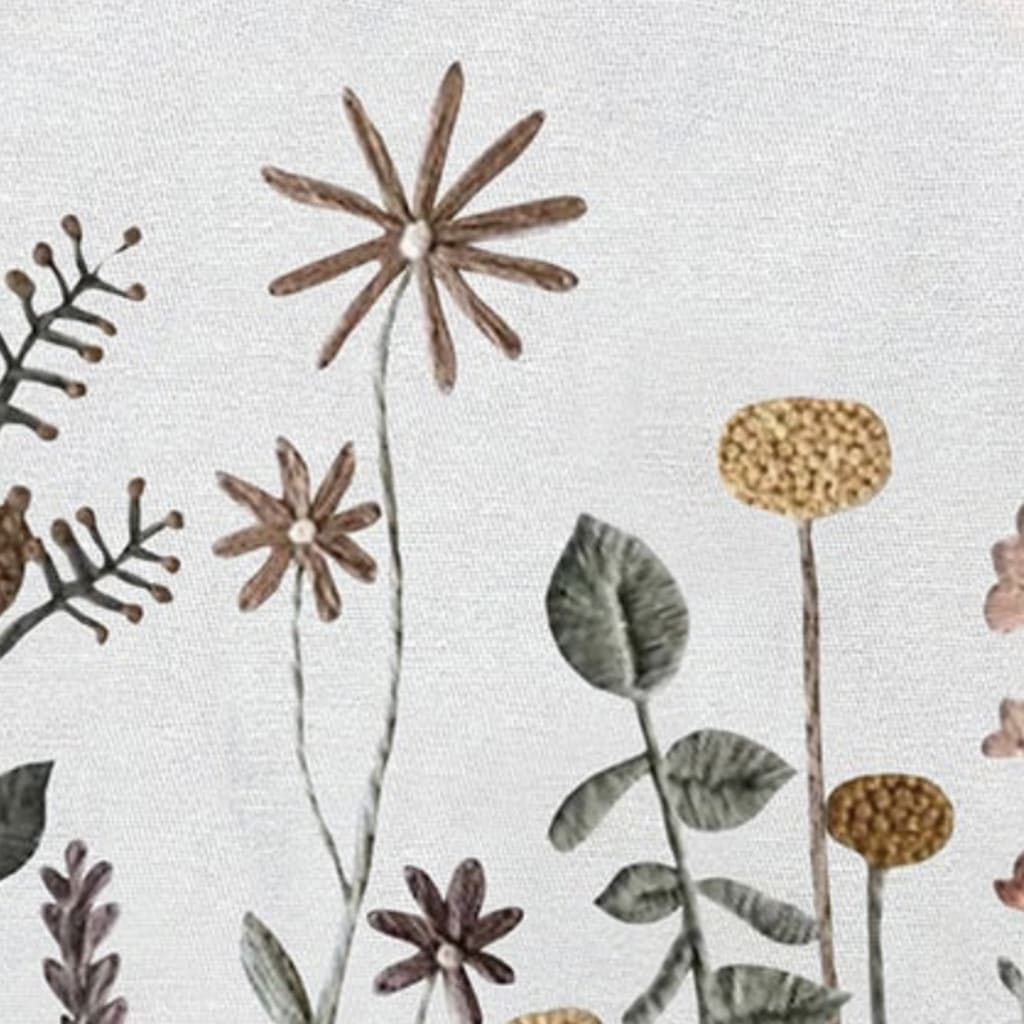
When I first started to sew, I could barely feel the needle in my hand. It was because I could not feel the needle that I had started sewing. A month earlier, I had broken six bones in an accident, and lost feeling in three of my fingers. The doctors assured me that sensation would come back eventually. The more I used my hands, the quicker it would be.
At first, I thought that this was ridiculous advice. The loss of my limb done more than leave me in a cast. I could no longer fiddle with my hair when I was nervous or clap my hands when I laughed. The Topshop dresses I had spent so long saving up for were relegated to my back of my wardrobe, replaced with oversized, misshapen vests that I could fit over my bandages. My mother cut my hair short, so it was easier to wash. Most of all, I couldn’t do any of the things that once made me happy; music, writing, cooking, sports. I couldn’t wait to get back to all the habits and hobbies that I had cobbled together into a personality. Using my hands, I thought, would not be a problem.
The day I got my cast off, I sat down at the piano for the first time in months and opened the songbook to my favorite piece by Schumann. I tried to press down on the keys, but my fingers went limp, and separated like drenched paper. I tried again. This time, my hand jerked and hit three keys next to each other. The discordant sound made my little brother jump and look up from his Legos. I got up and closed the lid of the piano. My bedroom door had barely closed before I started to cry.
I soon discovered that I couldn’t do any of my old hobbies. Sports was out of the question. Cooking sent waves of hurt up and down my arm, a low, dark glow that blossomed into fiery pain if I kept on too long. I could hold a pen, but my numb fingers dragged awkwardly across the page, smudging the writing like a landscape out of a car window. I didn’t want to know what would happen when I tried to type. So instead of rehabilitation, I spent hours in front of the TV, with my useless arm in my lap. My brothers obediently boxed up the instruments and notebooks that I couldn’t bear to look at. I knew that I needed to keep trying, but every time I watched my hand curl in on itself like a pill-bug, I felt a fresh wave of grief. Regaining my old life seemed impossible. Forgetting it felt like the best alternative.
…
I was halfway through a marathon of Spongebob when Mom came into the living room with an old sewing basket that I recognized from my grandmother’s house. She set it down on the couch next to me.
“I thought you might want to try embroidery,” she said. “I used to love it when I was a little girl.”
“No thank you,” I replied, not looking away from the TV.
“Baby, you’re not going to get better like this,” Mom said. “You need to try something.”
“I can’t do anything. Even the things I can do, I mess up.”
“That’s what’s great about this. You make a mistake, you can just unpick it. Plus, you can do this while you watch TV.” I didn’t answer. Out of the corner of my eye, I saw her knuckles tighten as she gripped the arm of the sofa. “Please give it a go.” She stood up and closed the door softly behind her.
I opened the sewing box. Inside were neat squares of perforated paper, colorful threads, and lines of silver needles. Instructions for satin stitches and chain stitches were tacked to the lid. I chose some gold thread and marked the shape of a flower onto one of the squares of paper. The needle fell through my fingers on my first two attempts to hold it. On the third, I was able to grip it between my two working fingers. I studied the lid of the box again. The satin stich looked like the easiest place to start. I began to push the needle in and out of the paper, watching stripes of gold appear like sunlight on the beige cloth. I liked the way that you could measure progress by the space taken up, by creating something that hadn’t been there before. Each stitch took time. Once the needle had vanished through the fabric, I never knew where it would reappear. I flipped the paper over and over in my hands trying to track its course, making sure it came out as close to the other stitches as possible. Each time I got it right, a thrill of satisfaction shot through me.
On the seventh stitch, my hand spasmed. The needle hit inches away from where I intended it to, leaving a scar across the cloth matching the ones on my elbow. It was ruined. I was about to shove the cloth back in the box, when I remembered Mom’s white knuckles on the edge of the couch. Reluctantly, I pushed my good finger under the errant stitch, and pulled up the thread. Gripping the needle tighter, I pushed it through the fabric again. This time, it went through neatly. I examined the cloth. The hole I had made accidentally was barely visible. It was if I had never made a mistake. I smiled. For the first time since the accident, I could do something right. Lifting the paper so I could see the underside, I guided the needle towards the half-finished petal, and kept on sewing. Later that evening, I would hand my Mom the finished cloth.
“It’s a pretty perfect flower,” I told her. I couldn’t stop myself from beaming. She inspected the fabric, and grinned.
“Yes, it is.”
…
Looking back, I know that flower was far from perfect. The stitchwork is jagged, and the thread knots so badly on the underside of the cloth that the fabric is distorted slightly in the center, like a divot in the dirt. But that flower was the first indication that I could still do something well, instead of in the broken, distorted way that my body had seemed to insist on since the accident. And so, when the pain kept me up at night, or another glass slipped through my useless fingers, I’d open my grandmother’s box and pull out my latest project. The needle began to move reliably, into the cloth and out again. My sewing grew more complex. I’ve learnt chain stitching, running stitching, and am working on French knots. My designs form vines and houses, and recently a portrait of my parent’s golden retriever. I don’t even need to turn the fabric over as I work anymore; I can spot the slight bump the needle makes in the fabric before pushing it through. Even as my bones have knit back together, and sensation has begun prickling through my fingertips, I’ve kept embroidering. It reminds me that even when I cannot do up a button or write my name, I can make something beautiful.
About the Creator
Keep reading
More stories from HHJC and writers in Motivation and other communities.


Comments
There are no comments for this story
Be the first to respond and start the conversation.