
Physical Effects of Stress on the Body You Shouldn’t Ignore
Hidden Physical Effects of Stress You Shouldn’t Ignore

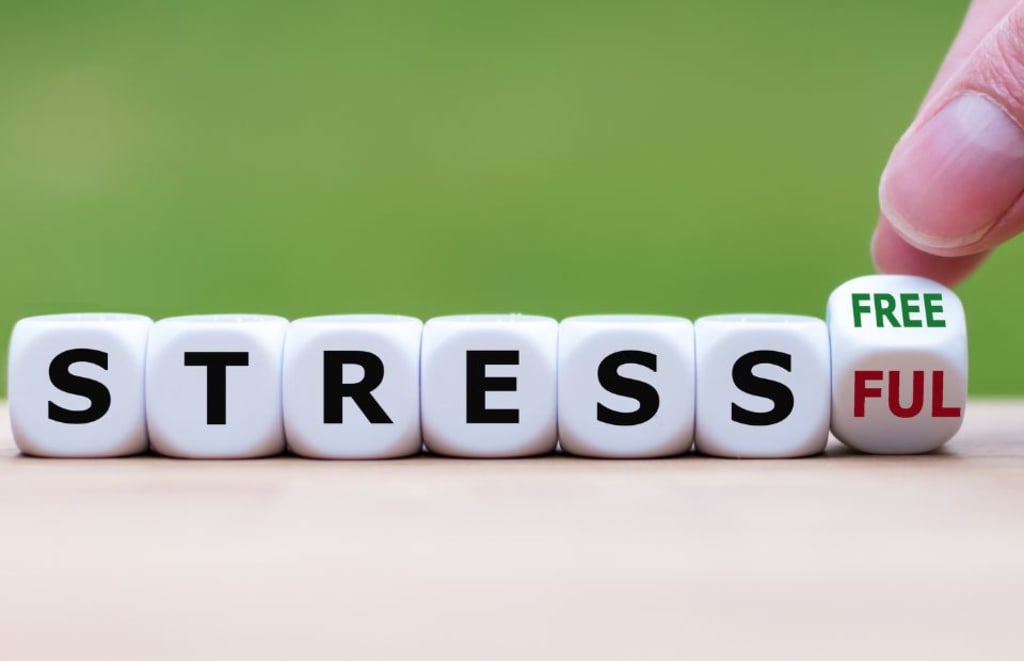
Stress is much more than a feeling of being overwhelmed—it’s a biological response that affects nearly every organ system in your body. Stories today increasingly highlight how everyday pressures at work, school, and home are showing up as real physical illnesses, even in people who once considered themselves healthy.
While short bursts of stress, such as reacting to danger, are a normal part of life, chronic stress—persistent stress lasting weeks, months, or years—can seriously impact physical health. Modern research confirms that ongoing stress contributes to heart disease, digestive disorders, weakened immunity, hormonal imbalance, and more. Understanding these effects helps you recognise early warning signs and take proper action before stress-related health problems become severe.
1. Stress and the “Fight-or-Flight” Response: The Body’s Alarm System
When you encounter a stressor—anything your brain perceives as threatening—the hypothalamus activates the sympathetic nervous system and the HPA (hypothalamus-pituitary-adrenal) axis. This causes your adrenal glands to release stress hormones such as adrenaline and cortisol.
These hormones:
- Increase heart rate and blood pressure
- Elevate blood sugar for quick energy
- Sharpen alertness
Divert blood flow to muscles and away from “non-essential” functions (like digestion)
In short bursts, this response can help you cope. But when stress becomes constant, the body remains in this heightened alert state, leading to long-term wear and tear.
2. Cardiovascular Strain: Heart and Blood Vessels Under Pressure
One of the most documented physical consequences of chronic stress is its toll on the heart and vascular system. Stress hormones cause the heart to beat faster and blood vessels to constrict, which raises blood pressure. When this state persists:
Hypertension (high blood pressure) can develop.
Plaque buildup (atherosclerosis) may be promoted through inflammation and endothelial dysfunction.
Risks for heart attack, stroke, and irregular heart rhythm increase.
Chronic stress also contributes to metabolic changes, like increased abdominal fat and higher cholesterol, further raising cardiovascular risk.
3. Digestive Disruption: Beyond “Butterflies in the Stomach”
Stress profoundly affects the digestive system in both the short and long term. When stressed:
Gut motility (movement of food through the digestive tract) can speed up or slow down, leading to diarrhoea, constipation, bloating, or nausea.
Blood flow to the digestive organs decreases, slowing digestion.
The balance of gut bacteria and the integrity of the gut lining may be disrupted.
Over time, these changes can worsen or contribute to irritable bowel syndrome (IBS), acid reflux, gastritis, and increased susceptibility to gut inflammation.
4. Immune Dysregulation: When Your Defense System Weakens
Short-lived stress can temporarily boost immune activity (an evolutionary “prep for injury”). But chronic stress suppresses immune function. Elevated cortisol levels:
- Reduce the body’s ability to fight off infections
- Slow wound healing
- Increase susceptibility to viruses and bacteria
- May aggravate autoimmune diseases by triggering inappropriate immune responses
A weak immune response makes frequent colds, prolonged sickness, and slower recovery far more likely.
5. Musculoskeletal Tension and Pain
Stress causes muscles to tighten—a natural protective mechanism. However, chronic muscle tension leads to discomfort and pain, especially in the:
- Neck
- Shoulders
- Back
- Jaw (leading to jaw clenching or TMJ issues)
This tension contributes to headaches, migraines, and chronic musculoskeletal pain if not addressed, as stress prevents muscles from fully relaxing.
6. Respiratory and Breathing Problems
Under stress, breathing becomes faster and shallower. For people with underlying respiratory conditions such as asthma or COPD, stress can:
- Trigger shortness of breath
- Increase the likelihood of panic attacks
- Worsen breathing difficulties during stress flare-ups
Even in healthy individuals, chronic stress leads to inefficient breathing patterns that can contribute to dizziness or fatigue.
7. Endocrine and Metabolic Consequences
Cortisol isn’t just a stress hormone—it also regulates metabolism and blood sugar. Constantly elevated levels can:
- Promote insulin resistance, increasing the risk of type 2 diabetes
- Cause weight gain, especially in abdominal fat
- Disrupt thyroid function and overall hormonal balance
In both men and women, chronic stress also affects reproductive health, including changes in menstrual cycles, reduced testosterone levels, and decreased libido.
8. Neurological and Cognitive Effects
Stress doesn’t just impact the body—it alters brain function. Persistent stress interferes with memory, concentration, and emotional regulation. Over time, this can contribute to:
- Brain fog and memory problems
- Difficulty concentrating
- Sleep disturbances
- Mood changes like irritability and anxiety
Emerging research even suggests long-term stress can structurally affect brain regions responsible for executive function, though more studies are ongoing.
9. Skin and Integumentary Effects
Elevated cortisol and inflammation can worsen skin conditions such as:
- Acne
- Eczema
- Psoriasis
- Premature ageing
These effects occur because stress hormones compromise the skin’s barrier function and promote inflammation at the cellular level.
Conclusion
The science is clear: stress affects far more than your mood. It alters cardiovascular function, digestion, immunity, metabolism, muscles, cognition, and even skin health. In many cases, these physical symptoms appear gradually and subtly, which means people often overlook stress as the root cause.
Recognizing the physical signs early—not just the emotional ones—can be lifesaving. If you notice persistent headaches, heart palpitations, digestive issues, muscle tension, or sleep disruption, consider stress as a contributing factor and seek an integrated approach to health that includes stress management, lifestyle changes, and medical guidance when necessary.
About the Creator
Stories Today
Stories Today is a place where real people share real stories, and that’s it. We believe every person has an incredible story to tell.
Visit us:https://storiestoday.co.uk/
Keep reading
More stories from Stories Today and writers in Motivation and other communities.
One Hard Thing
Stop me if you’ve heard this one before: You have the number, you know your schedule- you’ve even picked out the perfect day and time to make this appointment. Shoot, you’ve even picked out alternative days and times just in case their schedules can’t accommodate you!
By Taylor Rigsby15 days ago in Motivation
Un-more
**Un-More** I want to share a concept that has genuinely changed my life: the Un More Theory. It’s not a professional method or a clinical model — just something I’ve developed through real experience as a 40 year old mum of a two year old, living with medicated anxiety and learning how to rebuild my energy, confidence, and balance.
By Carolyn Sternes3 days ago in Motivation
Writing About Writing: The Rainbow Trap
The good thing about living in modern times is that LGBTQ representation in media is increasing. Not just in niche and Independant media, either, but also in mainstream media. Books, movies, TV shows, comics... they're finally catching on that LGBTQ+ people form a significant part of their audience, and deserve to see themselves on screen and in fiction, not just as victims in documentaries and true crime shows.
By Natasja Rose6 days ago in Writers


Comments
There are no comments for this story
Be the first to respond and start the conversation.