
Pashtun Tahafuz Movement (PTM)
Manzoor Pashteen: Voice of the Pashtun Struggle for Justice and Peace

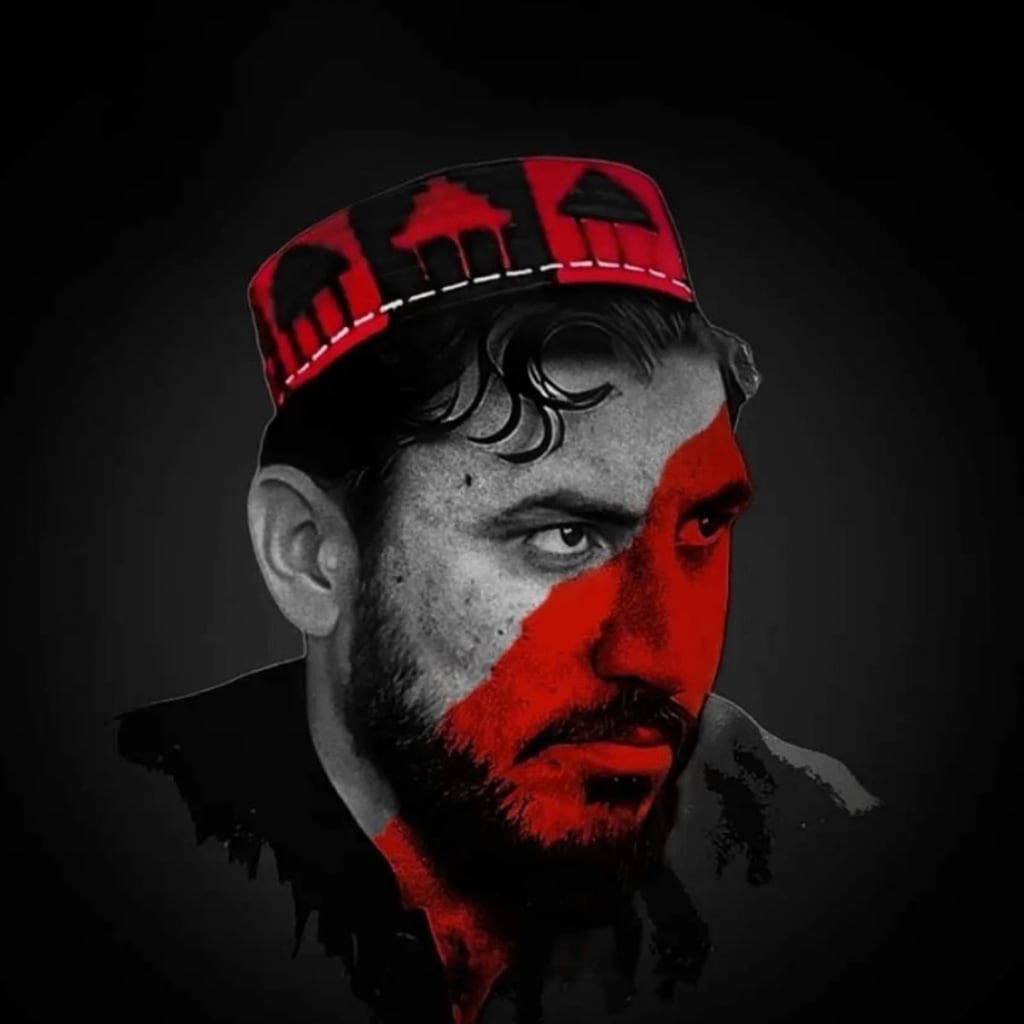
Manzoor Pashteen, a name that has become synonymous with the struggle for justice and rights in Pakistan’s tribal areas, is one of the most prominent youth activists to emerge from the region in recent years. Born in May 1992 in the war-torn South Waziristan district of Pakistan’s former Federally Administered Tribal Areas (FATA), Pashteen rose to prominence as the leader of the Pashtun Tahafuz Movement (PTM), a civil rights movement advocating for the rights of the Pashtun people.
Early Life and Education
Manzoor Ahmad Pashteen was born in the village of Shahur in Sarwakai Tehsil, South Waziristan. His father, a schoolteacher, ensured that education remained a priority despite the growing instability in the region due to militancy and military operations. Pashteen grew up witnessing the destruction of his homeland during the war on terror, experiencing displacement, military checkposts, landmines, and curfews — all of which shaped his political consciousness from an early age.
He studied veterinary medicine at Gomal University in Dera Ismail Khan, Khyber Pakhtunkhwa. During his student days, he began organizing around issues affecting his community, such as disappearances, extrajudicial killings, and landmine injuries — topics largely ignored by mainstream Pakistani media and political discourse.
Formation of the Pashtun Tahafuz Movement (PTM)
Initially known as the Mehsud Tahafuz Movement, the group was founded in 2014 to protest the extensive planting of landmines in Waziristan and to demand the safe return of displaced residents. It gained national attention in January 2018 after the extrajudicial killing of Naqeebullah Mehsud, a young Pashtun man, in Karachi by police officer Rao Anwar. The PTM organized a sit-in protest in Islamabad that attracted thousands of Pashtun youth and quickly transformed into a broader civil rights movement.
Renamed the Pashtun Tahafuz Movement, PTM expanded its demands to include:
• An end to extrajudicial killings and enforced disappearances.
• Accountability for human rights abuses by security forces.
• Demilitarization of civilian areas in the tribal belt.
• Removal of landmines.
• Equal constitutional rights for all Pakistani citizens.
Pashteen’s calm but powerful speeches, marked by clarity, reason, and passion, galvanized thousands of young Pashtuns who had long felt voiceless and marginalized.
Symbol of Resistance
Manzoor Pashteen became a national and even international symbol of resistance. His signature red-and-black patterned cap — now often referred to as the “Pashteen cap” — became an emblem of the movement. He emphasized peaceful protest, democratic values, and constitutional rights, all while facing increasing state repression.
Despite the peaceful nature of the PTM’s protests, the Pakistani state has repeatedly cracked down on its members, banning media coverage of their rallies, arresting activists, and even accusing Pashteen of sedition. In January 2020, Pashteen was arrested for allegedly inciting anti-state sentiments, sparking protests across the country and condemnation from international human rights organizations, including Amnesty International and Human Rights Watch.
Criticism and Challenges
While the PTM enjoys significant grassroots support, especially among young Pashtuns and the diaspora, it also faces criticism. The Pakistani military and certain segments of the media have accused the movement of being backed by foreign intelligence agencies, a claim that PTM and Pashteen vehemently deny. These allegations are often used to discredit the movement and justify restrictions on its activities.
Moreover, operating in a deeply militarized and politically sensitive context, the PTM has struggled to gain representation in mainstream politics. Although some politicians and parties have expressed support for the movement’s goals, most shy away from full endorsement, wary of repercussions from powerful state institutions.
Legacy and Ongoing Struggle
Manzoor Pashteen represents a new wave of political consciousness in Pakistan — one rooted in rights-based advocacy, nonviolence, and grassroots mobilization. His leadership has inspired a generation of young activists, not only among Pashtuns but across various marginalized communities in Pakistan.
Despite censorship and arrests, Pashteen and the PTM continue their struggle, using social media and peaceful demonstrations to raise awareness. The movement’s persistence has forced even the most reluctant corners of Pakistani society to acknowledge the grievances of the tribal belt — grievances that were long brushed under the carpet in the name of national security.
Conclusion
Manzoor Pashteen stands as a testament to the power of peaceful resistance in the face of oppression. His story is not just about one ethnic group’s struggle, but a reflection of broader issues of justice, civil liberties, and state accountability in Pakistan. As history unfolds, Pashteen’s role may well be remembered as a turning point in the journey toward a more inclusive and democratic Pakistan.
About the Creator
Muhammad yaqoob
MuHsin.
Be HaPPy AloN…..
Keep reading
More stories from Muhammad yaqoob and writers in Motivation and other communities.
“Wake Up and Dream Like a Child”
There is something magical about a child’s smile. It is pure, full of life, and full of hope. When we see a child smiling happily, like the little girl in the photo wearing a red dress and white lace collar, we cannot help but smile too. Her sparkling eyes and deep dimples remind us of the joy and innocence of childhood. Her smile is like a beautiful sunrise — fresh, bright, and full of promise.
By Muhammad yaqoob9 months ago in Motivation
People Come and Go Out of Your Life for a Reason
Whether you realize it or not, everyone in your life is there for a reason. They come into your life, and they stay there until their purpose is fulfilled. Then they are moved out of your life. At first, you might think you did something to cause them to leave, but it is really a way of life. Not everyone who comes into your life is there to stay.
By Margaret Minnicks6 days ago in Motivation


Comments (1)
?