
How the Pandemic Quietly Unraveled Us
No asteroids, no zombies—just the slow erosion of connection, motivation, and meaning after the world paused.

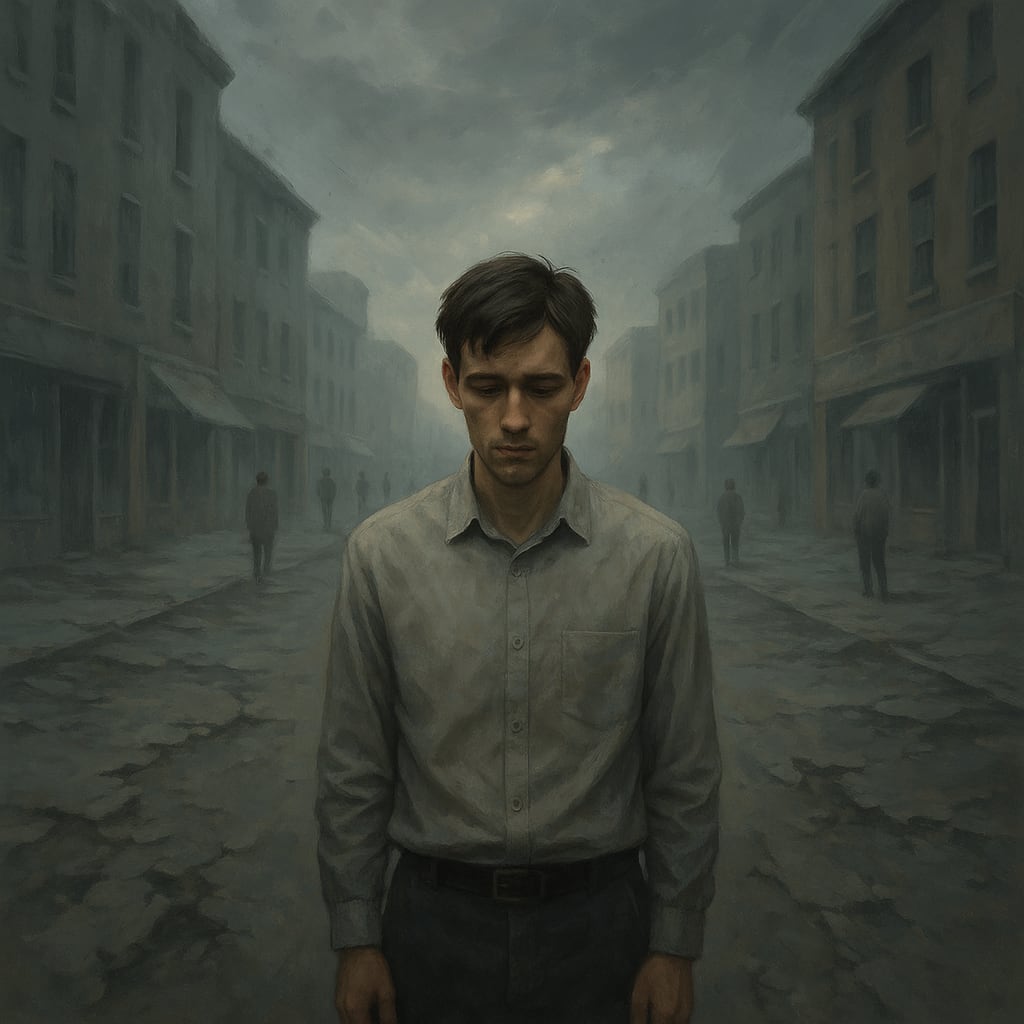
There was no grand explosion. No alien invasion. No Hollywood-grade catastrophe.
The world didn’t end with a bang—it sighed, and we didn’t know how to breathe after.
When the COVID-19 pandemic arrived, it came slowly and then all at once. Headlines, warnings, lockdowns. We thought it would be over in a few weeks. That life would "go back to normal" after a short, collective pause. We stocked up on groceries, tried baking sourdough bread, and laughed about Zoom calls and home workouts.
But beneath the surface, something was quietly beginning to crack. Not in the world outside, but within us.
The Unraveling Begins: Losing Structure, Losing Self
Before the pandemic, structure held us together.
Our routines were invisible architecture: wake up, get dressed, commute, work, socialize, sleep, repeat. These seemingly mundane rituals were more than just habits—they were identity scaffolding. They told us who we were.
When the world stopped, those structures collapsed.
Offices closed. Commutes vanished. Days blurred. Time lost shape.
For some, it felt like a break. For many, it felt like free fall.
With no rhythm to guide us, we began to drift. It’s hard to describe the psychological impact of endless sameness—the kind where Tuesday feels like Sunday and emotions flatten into a gray fog. We didn’t notice it at first, but slowly, people began to lose their sense of self.
Who are you when you’re not being seen?
What do you become when no one needs you at a specific time or place?
For many, the answer was unsettling: we became shadows of who we used to be.
The Silent Mental Health Crisis
Mental health became the pandemic after the pandemic.
Anxiety and depression rates surged globally. In some countries, calls to helplines doubled or tripled. Prescriptions for antidepressants skyrocketed. Yet for all the stats, most of this suffering was invisible—people breaking down silently behind closed doors.
We were told to be grateful. "At least you’re safe." "At least you have a home."
And while those things were true, gratitude couldn’t fill the growing void.
Because what we lost was not just safety—it was spontaneity, community, hope.
We lost hugs. We lost weddings. We lost funerals.
We lost chances to say goodbye.
We lost years of our lives—and we were expected to act like nothing had happened.
The grief we carry is not always for the dead.
Sometimes, it’s for the versions of ourselves that never returned.
Digital Lives, Real Isolation
Technology helped us cope—but it also amplified the collapse.
We spent more time than ever online. Screens became our only portals to each other. For a while, that felt like enough. But digital connection, though helpful, is not the same as physical presence.
We are creatures of eye contact, body language, laughter that can’t be muted.
Zoom fatigue wasn’t just about overuse—it was about absence.
About staring into pixelated versions of people we missed, and pretending it was okay.
Over time, we began to feel lonelier despite being more connected.
Likes replaced conversations. Emojis replaced emotion.
And slowly, it became easier to retreat than to reach out.
The Illusion of Recovery
When the world started reopening, we celebrated.
We traveled. We dined out. We put on pants again.
But many of us soon realized: we didn’t feel the same.
Normal didn’t feel normal anymore.
Conversations felt harder. Crowds felt overwhelming. Work felt meaningless.
Some people thrived in the return. Others felt like impostors in a life that used to fit.
Burnout was no longer reserved for the overworked—it became universal.
The energy required to perform "being okay" was exhausting.
And yet, because society had moved on, we felt pressured to act like we had, too.
But healing isn’t as fast as reopening.
And for many, the world returned faster than their will to rejoin it.
The In-Between Years
We now live in the in-between.
Not quite in crisis. Not quite healed.
Not back to the old world, and not settled into a new one.
This liminal space is disorienting.
Many of us are still asking quiet questions with no easy answers:
Why don’t I enjoy the things I used to love?
Why do I feel so far away from people—even when I’m with them?
Why am I so tired, even after resting?
What happened to my ambition, my dreams, my sense of purpose?
These are not questions of laziness. They are questions of trauma.
Of having lived through something massive, and not having the language—or permission—to process it.
The Cost of Survival
It’s easy to look back and say, “I survived the pandemic.”
But what does survival actually mean?
For some, it meant loss—of loved ones, of income, of stability.
For others, it meant numbing—Netflix binges, alcohol, overwork.
For most, it meant enduring in silence—doing what had to be done while carrying invisible weights.
Survival often comes with a hidden cost: we adapt by suppressing.
But what we suppress doesn’t vanish. It waits.
It waits in the fatigue, the apathy, the sudden tears when nothing seems wrong.
The Slow Rebuild
Despite all this, there is something quietly beautiful happening.
People are rethinking what matters.
They're quitting jobs that don’t align with their values.
They're choosing therapy over toxic positivity.
They're starting gardens, writing poetry, calling old friends.
They're rediscovering presence over productivity.
This is the soft rebuild—quiet, slow, tender.
It’s not the roar of a new beginning. It’s the whisper of a second chance.
Not to go back. But to begin again, on gentler terms.
Conclusion: The Aftermath and the Opportunity
What we’ve lived through wasn’t the end of the world.
But it was the end of a version of the world—and a version of ourselves.
We are not who we were.
And that’s okay.
There is strength in acknowledging the unraveling.
There is wisdom in moving slowly.
There is courage in rebuilding something softer, saner, and more real.
The soft apocalypse didn’t destroy us.
It revealed us.
Now, the question is—what will we do with that truth?
About the Creator
Ahmet Kıvanç Demirkıran
As a technology and innovation enthusiast, I aim to bring fresh perspectives to my readers, drawing from my experience.
Keep reading
More stories from Ahmet Kıvanç Demirkıran and writers in Motivation and other communities.
The Psychology of Consistency: Why Showing Up Every Day Matters More Than You Think
"Success isn’t about doing great things occasionally—it’s about doing the right things consistently." We often think the key to success is talent, inspiration, or bursts of motivation. But if you’ve ever set a New Year’s resolution and failed by February, you know that fleeting energy isn’t enough. What actually creates long-term transformation is consistency—the quiet, unglamorous act of showing up even when you don’t feel like it.
By Ahmet Kıvanç Demirkıran7 months ago in Motivation



Comments (2)
wow so good
It unraveled me badly 😭♦️😢♦️