
Happiness Across Cultures: How the World Defines and Pursues Joy Introduction
“Happiness is not something ready-made. It comes from your own actions.” — Dalai Lama

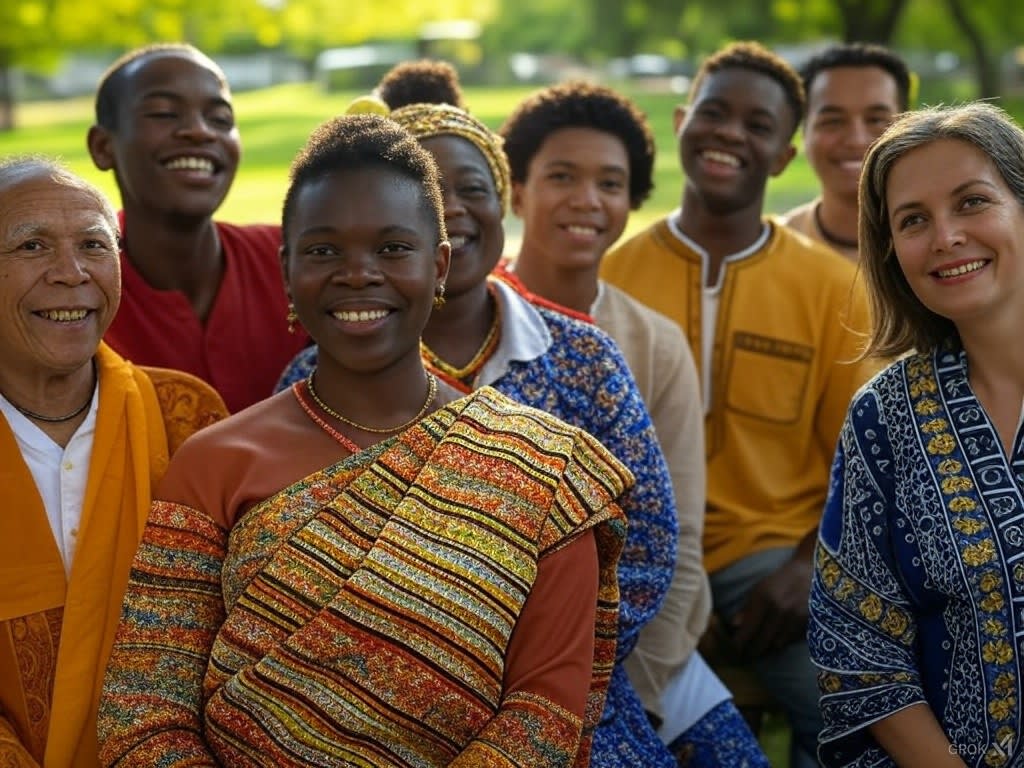
Happiness is a universal pursuit, yet different cultures define and experience it in unique ways. While some societies emphasize personal fulfillment, others find joy in community, nature, or tradition. What makes a person happy in one part of the world may not be the same in another.
For example, while an American might associate happiness with personal achievements and success, a Bhutanese person might link happiness to spiritual well-being. This variation reflects cultural values, social structures, and even historical influences. In this article, we explore how different cultures perceive and pursue happiness—from Denmark’s cozy hygge to Japan’s purpose-driven ikigai—and examine the balance between universal and culturally specific elements of happiness.
Happiness in Different Cultures
1. Hygge (Denmark): The Joy of Cozy Living
Denmark consistently ranks among the happiest countries in the world, and one of its secrets is hygge (pronounced “hoo-gah”). Hygge is more than just a word; it’s a way of life that embraces coziness, warmth, and simple pleasures. Imagine curling up with a blanket, sipping hot chocolate by candlelight, or sharing a heartfelt conversation with close friends—these moments capture the essence of hygge.
The Danish believe that small, everyday comforts can significantly boost well-being. They emphasize slowing down, creating inviting spaces, and nurturing close relationships. This philosophy is especially important during Denmark’s long, dark winters when people make extra efforts to create warmth and togetherness.
2. Ikigai (Japan): A Purpose-Driven Life
In Japan, happiness is closely tied to ikigai, which means "reason for being." This concept suggests that true joy comes from having a purpose in life—something that gives a person motivation to wake up every morning. Ikigai is found at the intersection of four key elements:
What you love
What you are good at
What the world needs
What you can be paid for
Many Japanese people, especially in Okinawa (one of the world’s “Blue Zones” where people live exceptionally long lives), attribute their happiness and longevity to ikigai. Whether it’s a career, a hobby, or a meaningful contribution to society, having a clear sense of purpose keeps people engaged and fulfilled.
3. Friluftsliv (Norway): The Joy of the Outdoors
Norwegians embrace friluftsliv (pronounced “free-loofts-liv”), which translates to “open-air living.” This concept encourages people to spend time outdoors and connect with nature, regardless of the weather. Whether it's hiking through the mountains, skiing in the winter, or simply taking a long walk, Norwegians believe that nature is essential for mental and physical well-being.
The idea of friluftsliv goes beyond recreation; it is deeply embedded in Norwegian culture. Schools often incorporate outdoor education, and many workplaces encourage employees to take breaks outside. Research supports this lifestyle, showing that exposure to nature reduces stress, boosts mood, and enhances overall happiness.
4. Ubuntu (South Africa): Happiness Through Community
In many African cultures, happiness is rooted in relationships and a sense of belonging. The South African philosophy of ubuntu is a perfect example. The word ubuntu means “I am because we are” and highlights the importance of compassion, community, and mutual support.
Unlike Western cultures that emphasize individual success, ubuntu teaches that personal well-being is deeply connected to the well-being of others. This philosophy manifests in everyday life—through strong family ties, communal living, and acts of kindness. By prioritizing relationships over material wealth, many South Africans find happiness through connection and shared experiences.
5. Lagom (Sweden): Finding Balance
Sweden’s approach to happiness is summed up by the word lagom, meaning “just the right amount.” It represents a philosophy of balance and moderation in all aspects of life—work, relationships, and consumption.
Instead of pursuing excess or perfection, Swedes believe that happiness comes from contentment and sustainability. This principle applies to everything from minimalistic home design to work-life balance. Sweden’s generous parental leave policies, shorter working hours, and emphasis on leisure reflect this cultural value. By practicing lagom, Swedes cultivate a steady, long-term sense of well-being.
Universal vs. Culturally Specific Aspects of Happiness
While different cultures emphasize different paths to happiness, some aspects remain universal. Psychological research shows that happiness is strongly linked to:
Social connections – Strong relationships contribute significantly to long-term well-being.
A sense of purpose – Having goals and meaning in life enhances fulfillment.
Gratitude and mindfulness – Appreciating the present moment boosts happiness.
Physical and mental health – A healthy body and mind create the foundation for joy.
However, how people prioritize these elements varies:
Western cultures (e.g., the U.S. and Canada) often focus on individual happiness and personal achievement.
Eastern cultures (e.g., Japan and China) emphasize harmony, duty, and collective well-being.
Indigenous and collectivist cultures (e.g., Africa and Latin America) find joy in strong social bonds and community ties.
Understanding these differences helps us appreciate diverse perspectives on happiness and inspires us to incorporate different approaches into our own lives.
Conclusion:
What Can We Learn?
Happiness is not a one-size-fits-all concept. Different cultures have unique ways of fostering joy, from Denmark’s cozy lifestyle to Japan’s sense of purpose, Norway’s outdoor traditions, South Africa’s community-driven mindset, and Sweden’s balanced approach. Each offers valuable lessons on how to live a fulfilling life.
By blending these cultural philosophies—embracing hygge for relaxation, ikigai for purpose, friluftsliv for nature, ubuntu for relationships, and lagom for balance—we can cultivate a richer, more meaningful experience of happiness.
A Thought to Leave You With
“Happiness is not something ready-made. It comes from your own actions.” — Dalai Lama
What’s Your Happiness Philosophy?
Which cultural concept of happiness resonates with you the most? Share your thoughts in the comments! And if you found this article inspiring, don’t forget to share it with someone who could use a little extra joy today.Start writing...
About the Creator
Pure Crown
I am a storyteller blending creativity with analytical thinking to craft compelling narratives. I write about personal development, motivation, science, and technology to inspire, educate, and entertain.
Keep reading
More stories from Pure Crown and writers in Motivation and other communities.
Practical Tips for Cultivating Happiness: Small Changes, Big Impact
Happiness isn’t just a result of good fortune—it’s something we can actively cultivate through intentional habits and choices. While life’s challenges are inevitable, there are proven strategies to boost your emotional well-being and create a more joyful, fulfilling life. Here are some practical, actionable steps to help you cultivate happiness every day.
By Pure Crown12 months ago in Motivation
What I do to not lose my creative spark
The origin of creativity is in the mind, what you can imagine, you can bring to life. You can’t create something you’ve never imagined or envisioned (unless by accident), so this goes to show you that a lot of the creative process takes place in our mind and what else is in the mind? Memories.
By real Jema7 days ago in Motivation


Comments (1)
This story brought me much joy and happiness! Great work!