
"Ever Had One of Those Days When You Just Want to Coast?"
Here’s Why It’s Okay to Feel the Feels (Even the Tough Ones)
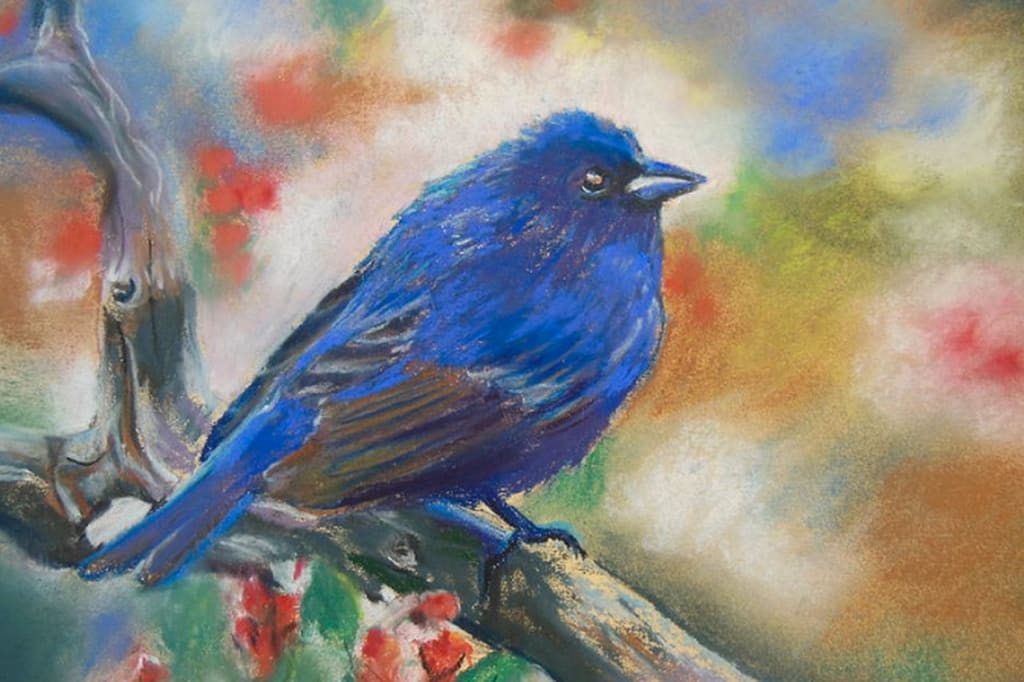
Ever have one of those days where you just want to coast? When thinking feels like too much effort, and you'd rather just let the world pass you by?
It’s a feeling we’ve all had at some point, maybe even more often than we’d like to admit. You wake up, get through your routine, but somewhere along the way, you feel like you’re just running on autopilot, like the emotions and thoughts that usually stir inside you have all been put on mute.
But even on the quietest days, beneath that calm surface, there's always something churning. Emotions are there, lurking like quiet currents just below the waterline, waiting to rise up and demand attention. No matter how much we try to ignore them, or how good we get at distracting ourselves, they never really go away.
So why is it that we’re so afraid of letting ourselves feel? Why do we work so hard to bury our emotions, to push them down, to keep everything bottled up?
Let’s take a deeper look at this. Maybe it’s because society has a tendency to tell us that showing vulnerability is a weakness. Maybe it’s because we’ve learned to think of emotions like interruptions in our otherwise busy, "productive" lives. It’s easy to think that expressing emotion is somehow inefficient, inconvenient, or unprofessional.
The world often tells us, “Stay strong. Push through. Keep going.”
But here's the thing we don’t often hear: It’s okay to not be okay. More than that, it’s necessary to let those feelings flow, to acknowledge them, and to give ourselves permission to feel whatever we’re feeling. There’s no shame in feeling sad, frustrated, anxious, or even lost.
Emotions are part of the human experience. They are as natural as the air we breathe, and when we ignore them, they can only grow louder, like a pressure cooker that’s building up steam.
Imagine your heart as a reservoir. Inside, there are layers of emotion that accumulate over time — joy, sorrow, hope, disappointment, love, grief. Some of these emotions get tucked away neatly at the bottom of the reservoir, while others float nearer to the surface.
On any given day, the waters of your heart might appear still, calm, even serene. But under the surface, the currents are always moving. Sometimes, it takes just a tiny ripple to disturb that calm and send the emotions tumbling upwards. And that’s when we feel the pressure.
You know those moments when, out of nowhere, you feel the sudden prickling behind your eyes, that tightening in your chest? That’s your heart sending a signal, telling you, “Hey, it’s time to let it out. It’s time to release the pressure.”
What happens next is up to you. You can ignore it, try to push it back down, or you can lean into it. You can let the tears flow, let the feelings rise to the surface and be expressed.
I know, I know — crying is not everyone’s idea of a good time. And the last thing we want is to look weak or “dramatic” in front of others. But think of it this way: crying isn’t a sign of weakness. It’s a sign of being human. It’s a release valve for all the pent-up emotions that have nowhere else to go. When we allow ourselves to cry, we are giving ourselves the space to heal, to feel, and to move forward.
We live in a world that doesn’t always make room for vulnerability. People say, “Keep it together. Be strong. Don’t let them see you sweat.” But what if we’ve been going about it all wrong? What if true strength doesn’t lie in hiding our emotions, but in embracing them?
The analogy of the pressure cooker is one I love because it’s so fitting. Just as a pressure cooker needs to release steam to avoid an explosion, we need to release our emotions before they build up to a breaking point. Think of all the pressure we put on ourselves — the expectations we carry, the responsibilities we juggle, the daily stressors. Over time, it becomes a lot to handle. And without some kind of release, we risk losing control.
This is why it’s so important to cry when we need to. To feel the feels. To let ourselves be imperfect. Emotions, both high and low, are what make life so incredibly rich and full. Without them, we’d be robots, simply going through the motions. But with them, we are alive in a way that is complex, beautiful, and deeply human.
So, what’s the takeaway here? It’s simple: give yourself permission to feel. Don’t beat yourself up for having a bad day. Don’t feel guilty for needing a moment to process what’s inside. In a world that often tells us to “keep moving” and “push through,” let’s remember that sometimes, the most powerful thing you can do is to slow down, acknowledge your feelings, and honor your own humanity.
Next time those tears start to well up, let them. Don’t fight them. Don’t judge them. Just allow them to flow. And when they’re done, remember this: you’re still here. You’re still standing. You’ve made it through the storm, and you will make it through the next one too.
In fact, crying can be a kind of release, like a clearing of the air. Once the clouds have passed, the world feels just a little bit lighter, doesn’t it? So don’t hold back. Embrace the messiness of it all — the highs, the lows, and every beautiful, painful, awkward moment in between. Life is not a sprint. It’s a winding road, and the more you allow yourself to feel, the more you’ll learn to embrace the journey with all its twists and turns.
"Crying isn't a sign of weakness. It’s a sign that you're alive, that you're human. Embrace the mess, and let it teach you how to be whole."-Jassila
Life is an intricate dance of highs and lows, and it's only through truly feeling, both the light and the dark, that we can move through it with grace. So next time you're on the rollercoaster of life, remember to honor your emotions. They're there to remind you that you’re still alive, and that’s something worth celebrating.
About the Creator
Jassila
A passionate writer who seeks to unravel the mysteries of life and celebrate the diversity of human experience. Above all a dreamer, envisioning a future of love, success, and meaningful experiences.
Keep reading
More stories from Jassila and writers in Motivation and other communities.
"What If the Darkest Moments Are Just the Beginning of Your Light?"
The Weight of the World: Are You Carrying Too Much? Life is a journey filled with twists and turns, and sometimes it feels like the road is longer than we can bear. We’re often asked to carry so much — responsibilities, expectations, fears, doubts — and sometimes, it all feels too heavy. If you've ever had a moment when you couldn't seem to shake the weight of sadness or uncertainty, you're not alone. It’s part of being human. The truth is, life doesn’t always feel easy, and it’s okay to acknowledge that.
By Jassila about a year ago in Motivation



Comments
There are no comments for this story
Be the first to respond and start the conversation.