
Easy DIY Lavender Oil for Skin & Sleep
Natural Relaxation and Radiant Skin

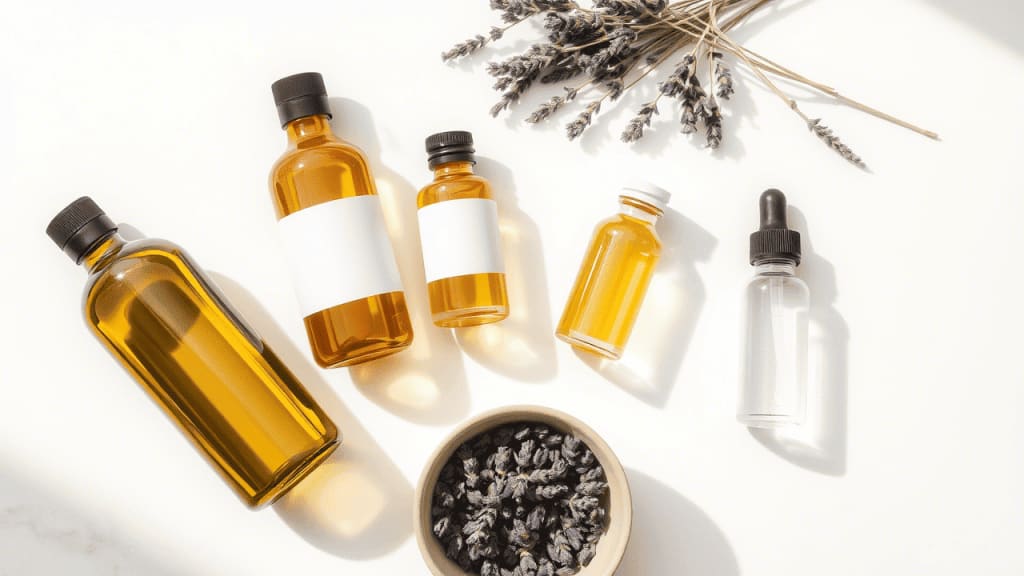
Ever find yourself tossing and turning at night, your mind racing, or staring at the mirror, wishing for that natural, healthy glow? What if the secret to both blissful sleep and radiant skin could be found in a single, fragrant bottle, made with your own two hands? You've likely encountered lavender essential oil, but today, we're taking it a step further. This isn’t just about buying a pre-made product; it’s about crafting your DIY lavender oil, a potent elixir infused with the calming and rejuvenating power of nature.
This article is your comprehensive guide to creating your very lavender-infused oil, perfectly tailored for relaxation techniques and optimal skin benefits. We'll journey through the fascinating history of lavender, explore the science behind its soothing properties, and provide you with easy-to-follow lavender oil recipe instructions. Whether you're a seasoned herbalist or a complete beginner, you'll discover how to harness the power of homemade lavender oil for better sleep, reduced stress relief, and a natural, radiant complexion. We’ll delve into how to make lavender oil, and the process of infusing your oil, ensuring it's packed with all the goodness of the plant.
Think of this as your initiation into the realm of natural skincare and aromatherapy, all rolled into one delightful project. It's an invitation to slow down, connect with nature, and create something truly special for yourself. Are you ready to embark on this aromatic adventure? Prepare to transform your nights and revitalize your skin with the magic of DIY Lavender Oil.
Understanding the Magic of Lavender
Lavender, with its iconic purple hues and intoxicating aroma, is far more than just a pretty flower. Its history is rich and storied, dating back thousands of years. Ancient Egyptians used lavender in mummification, while the Romans valued it for its cleansing and fragrant properties in their baths. The very word "lavender" comes from the Latin "lavare," meaning "to wash."
But what makes lavender so special? The secret lies in its essential oil, which contains a complex blend of compounds, including linalool, linalyl acetate, and camphor. These compounds work synergistically to produce a range of therapeutic effects:
Relaxation and Sleep: Linalool, in particular, has been shown to have calming and sedative properties. It interacts with neurotransmitters in the brain, promoting relaxation and reducing anxiety. This is why lavender oil for relaxation is such a popular choice.
Skin Benefits: Lavender oil is a potent anti-inflammatory properties and antiseptic agent. It can soothe irritated skin, reduce redness, and even help to heal minor cuts and burns. Lavender oil for skincare is a time-honored tradition for a reason.
Aromatherapy: The aroma of lavender is directly linked to the limbic system, the part of the brain responsible for emotions and memories. Inhaling lavender essential oil can trigger feelings of calmness, joy, and nostalgia.
Furthermore, homemade beauty products give you complete control over the ingredients, allowing you to avoid harsh chemicals and synthetic fragrances often found in commercial products. This is especially important for those with sensitive skin. Let’s explore how we can get all these benefits at home with DIY Infused Oil.
Choosing Your Ingredients: The Foundation of Your Lavender Oil
The quality of your DIY lavender oil depends heavily on the ingredients you select. Let's break down the key components:
1. Lavender:
Dried Lavender Flowers: These are the most common choice for infusing oil. Opt for high-quality, organically grown dried lavender flowers to ensure the purest and most potent oil. Make sure they are properly dried to prevent mold growth.
Fresh Lavender Flowers: While you can use fresh lavender, it's crucial to remove as much moisture as possible to prevent spoilage. Allow the fresh flowers to wilt slightly for a day or two before infusing.
Lavender Essential Oil: While we're focusing on lavender-infused oil, you can add a few drops of pure essential oil to your finished product to boost its potency. Be careful not to add too much, as essential oils are highly concentrated and can irritate the skin.
2. Carrier Oil:
The carrier oil is the base of your lavender-infused oil. It carries the therapeutic properties of lavender and provides additional benefits for the skin. Here are some popular choices:
Olive Oil: A classic choice, olive oil is rich in antioxidants and moisturizing fatty acids. It's best suited for body applications and may be too heavy for the face for some skin types. Extra Virgin Olive Oil is preferred because it undergoes less processing.
Almond Oil: Almond oil is lightweight, easily absorbed, and rich in vitamins E and A. It's a good choice for all skin types, including sensitive skin.
Jojoba Oil: Jojoba oil closely resembles the skin's natural sebum, making it an excellent choice for balancing oil production. It's also non-comedogenic, meaning it won't clog pores.
Apricot Kernel Oil: Similar to almond oil, apricot kernel oil is light, nourishing, and easily absorbed. It's a great choice for sensitive or mature skin.
Grapeseed Oil: Grapeseed oil is a very light, non-greasy oil that's rich in antioxidants. It's a good choice for oily or acne-prone skin.
Sunflower Oil: Sunflower Oil is another great light oil option for those who are sensitive or have acne-prone skin.
Methods of Infusion: Choosing the Right Technique for You
There are several ways to infusion process lavender oil, each with its own advantages and disadvantages. Let's explore the most popular methods:
1. The Sun Infusion Method (Traditional and Time-Honored)
This is the most traditional method, relying on the gentle heat of the sun to extract the beneficial compounds from lavender.
How to Do It:
Fill a clean, dry glass jar about halfway with dried lavender flowers.
Pour your chosen carrier oil over the flowers, ensuring they are completely submerged. Leave about an inch of headspace at the top of the jar.
Seal the jar tightly and place it in a sunny location, such as a windowsill or patio.
Allow the oil to infuse for 4-6 weeks, shaking the jar gently every few days.
After the infusion period, strain the oil through a cheesecloth-lined sieve into a clean, dark glass bottle.
Label the bottle with the date and ingredients.
Pros: Simple, requires no special equipment, allows for a gentle and natural infusion.
Cons: Takes a longer time, requires a sunny location, and the oil may be exposed to temperature fluctuations.
Best for: Those who value tradition and have the patience to wait for a slow, natural infusion.
2. The Slow Cooker Method (Faster and More Controlled)
This method uses the low heat of a slow cooker to speed up the infusion process.
How to Do It:
Place dried lavender flowers in a heat-safe jar.
Cover the flowers completely with your chosen carrier oil.
Place a folded towel in the bottom of your slow cooker. This will help protect the jar from direct heat.
Place the jar on top of the towel.
Fill the slow cooker with water until it reaches about halfway up the sides of the jar.
Set the slow cooker to the lowest setting (warm or low) and allow the oil to infuse for 4-6 hours. Monitor the water level and add more as needed.
Turn off the slow cooker and let the jar cool completely.
Strain the oil through a cheesecloth-lined sieve into a clean, dark glass bottle.
Label the bottle with the date and ingredients.
Pros: Faster than the sun infusion method, more controlled temperature.
Cons: Requires a slow cooker, and it's important to monitor the temperature to prevent overheating.
Best for: Those who want a faster infusion without compromising on quality.
3. The Double Boiler Method (Quickest and Most Direct)
This method uses a double boiler to gently heat the oil and lavender, allowing for a very quick infusion.
How to Do It:
Fill the bottom pot of your double boiler with water and bring it to a simmer.
Place dried lavender flowers and your chosen carrier oil in the top pot of the double boiler. Use a ratio of about 1/2 cup of lavender flowers to 1 cup of oil.
Heat the mixture over low heat for 1-2 hours, stirring occasionally.
Remove from heat and let the mixture cool slightly.
Strain the oil through a cheesecloth-lined sieve into a clean, dark glass bottle.
Label the bottle with the date and ingredients.
Pros: Fastest infusion method, allows for direct control over the temperature.
Cons: Requires a double boiler, and it's easy to overheat the oil if you're not careful.
Best for: Those who are short on time and need a quick infusion solution.
When deciding, consider: Lavender oil infusion: sun vs. slow cooker method, and which is better for you.
Step-by-Step: Making Your Lavender Oil
Now that you understand the basics, let's walk through a simple recipe for DIY Lavender Oil using the sun infusion method:
Ingredients:
1/2 cup dried lavender flowers (organic, high-quality)
1 cup carrier oil (almond oil or olive oil recommended)
Clean, dry glass jar with a lid
Cheesecloth or fine-mesh sieve
Dark glass bottle for storage
Instructions:
Prepare the Lavender: Ensure your lavender flowers are dry and free of any moisture.
Fill the Jar: Place the lavender flowers in the glass jar, filling it about halfway.
Add the Oil: Pour the carrier oil over the lavender flowers, making sure they are completely submerged. Leave about an inch of headspace at the top of the jar.
Seal and Infuse: Seal the jar tightly and place it in a sunny location. Let the oil infuse for 4-6 weeks, shaking the jar gently every few days.
Strain the Oil: After the infusion period, strain the oil through a cheesecloth-lined sieve into a clean, dark glass bottle.
Label and Store: Label the bottle with the date and ingredients. Store the oil in a cool, dark place.
How Long Does Lavender-Infused Oil Last? Your DIY lavender oil should last for about 6-12 months, depending on the carrier oil you use. Oils with a longer shelf life, such as jojoba oil, will help extend the life of your infused oil.
The Benefits: Using Your Lavender Oil for Skin and Sleep
Now that you have your bottle of homemade lavender oil, let's explore the myriad ways you can use it to enhance your well-being:
For Relaxation and Sleep:
Massage Oil: Gently massage the oil into your temples, neck, and shoulders before bed to promote relaxation and ease tension. You can create a DIY lavender-infused massage oil for muscle pain by adding a few drops of peppermint essential oil.
Bath Oil: Add a few drops of the oil to a warm bath for a soothing and aromatic experience.
Aromatherapy Diffuser: Use the oil in an aromatherapy diffuser to fill your bedroom with a calming fragrance. This is great for stress relief.
Pillow Spray: Spritz a small amount of the oil onto your pillowcase to promote restful sleep. Be careful not to use too much, as it could stain the fabric. Think of it as an easy sleep aid.
Direct Inhalation: Place a drop or two of the oil onto your palms, rub them together, and inhale deeply.
For Skin Benefits:
Facial Oil: Apply a few drops of the oil to your face after cleansing to moisturize and soothe the skin. Consider if can I use lavender-infused oil on my face overnight? Absolutely, but do a patch test first.
Body Oil: Use the oil as a body moisturizer to nourish and hydrate your skin. This is especially beneficial after a shower or bath.
Spot Treatment: Apply a small amount of the oil to blemishes or minor skin irritations to promote healing.
Eczema Relief: What are the benefits of lavender oil for eczema? Lavender oil can help reduce inflammation and soothe irritated skin associated with eczema.
Cuticle Oil: Massage the oil into your cuticles to keep them moisturized and healthy. Lavender oil for dry skin can prevent cracking and peeling.
Important Considerations and Safety Precautions:
Patch Test: Before using lavender oil extensively on your skin, perform a patch test on a small area to check for any allergic reactions.
Dilution: Always dilute lavender essential oil before applying it to the skin. Carrier oils, as we've discussed, are essential for this purpose.
Pregnancy and Breastfeeding: Consult with your healthcare provider before using lavender oil if you are pregnant or breastfeeding.
Photosensitivity: Is lavender oil safe to use on my skin in the sun? While lavender oil itself isn't strongly photosensitive, some carrier oils may increase sensitivity to the sun. Always wear sunscreen when using lavender oil on your skin during the day.
Storage: Store your DIY lavender oil in a cool, dark place to prevent oxidation and preserve its potency.
Adapting the Recipe: Personalizing Your Lavender Oil
The beauty of DIY is that you can customize your lavender oil to suit your individual needs and preferences. Here are some ideas for personalizing your recipe:
Adding Other Herbs: Experiment with adding other calming herbs to your infusion, such as chamomile, calendula, or rose petals.
Infusing with Essential Oils: Enhance the therapeutic properties of your lavender oil by adding a few drops of other essential oils, such as frankincense, geranium, or cedarwood.
Creating a Blend for Specific Skin Types: Tailor your lavender oil to your skin type by choosing the appropriate carrier oil and adding essential oils that target specific concerns. For example, tea tree oil can be added for acne-prone skin, while rosehip oil can be added for mature skin.
Scent Blends: Add other essential oils to improve the scent. Some popular choices are chamomile, cedarwood, and rosemary.
Answering Your Questions: FAQs About DIY Lavender Oil
Let's address some common questions about DIY lavender oil:
What is lavender-infused oil good for? Lavender-infused oil is excellent for promoting relaxation, improving sleep, soothing skin irritations, and moisturizing the skin.
How do I make lavender-infused oil at home? Follow the step-by-step instructions outlined in this article, choosing your preferred infusion method and carrier oil. Consider making lavender oil at home: a step-by-step guide part of your self-care routine.
What carrier oil is best for lavender infusion? The best carrier oil depends on your skin type and preferences. Almond oil is a good all-around choice, while jojoba oil is ideal for balancing oil production, and olive oil is great for body applications. For best carrier oil for lavender infusion for sensitive skin, try apricot kernel oil.
How long does lavender-infused oil last? Lavender-infused oil typically lasts for 6-12 months when stored properly in a cool, dark place.
Can I use lavender-infused oil on my face overnight? Yes, but it's always best to do a patch test first to check for any allergic reactions.
The Power of DIY and the Soothing Magic of Lavender
Congratulations! You've now embarked on a journey to harness the incredible power of DIY lavender oil for both relaxation and skincare. You've learned about the history of lavender, the science behind its benefits, and how to create your homemade lavender oil using simple, natural ingredients. From the ancient Egyptians to modern-day aromatherapy enthusiasts, lavender has captivated and soothed for millennia.
Whether you choose the sun infusion method, the slow cooker method, or the double boiler method, the process of creating your own lavender-infused oil is a therapeutic experience in itself. It's a reminder to slow down, connect with nature, and nurture yourself with the gentle healing power of plants.
So, go ahead, gather your ingredients, and let the fragrant journey begin. As you drift off to sleep surrounded by the calming aroma of lavender, or as you massage the oil into your skin, feel the stress melt away and the beauty of nature envelop you. Isn't it amazing what you can create with just a few simple ingredients and a little bit of love? The possibilities are truly endless. Happy infusing!
This is more than just a recipe; it's an invitation to cultivate a more mindful and harmonious relationship with yourself and the natural world. And remember, easy lavender oil recipe for relaxation and stress relief is right at your fingertips!
About the Creator
James Moody
Follow me and you will find great benefit from the stories that enrich your professional life. I will transfer to you my accumulated practical and life experiences.
Keep reading
More stories from James Moody and writers in Motivation and other communities.
Are there herbal treatments that can help reduce signs of aging, such as wrinkles and fine lines?
Have you ever caught your reflection and wondered if time was winning the battle against youthful skin? We all experience the subtle shifts—the appearance of fine lines, a touch of lost elasticity. It's a universal human experience. What if nature held the key? Could herbs, with their potent, yet gentle touch, truly help us reclaim that vibrant glow? Is it wishful thinking, or is there a possibility of natural rejuvenation? It is indeed a possibility.
By James Moody12 months ago in Motivation
“The Man Who Never Missed a Day”
When I was 17, I met a man who delivered newspapers in the rain. Not in a casual, half-hearted way—but fully committed, every single morning. He would leave his house before sunrise, his coat soaked, shoes falling apart, and the wind cutting through him like a knife. Yet, despite the cold and wet, he smiled at everyone on his route. To a teenager like me, it was both confusing and inspiring. I remember the first time I saw him struggle with a bundle of papers that seemed almost too heavy for him. He slipped on the wet pavement, muttered something under his breath, and kept walking. When he reached the next house, he knocked on the door, handed over the paper, and smiled as the door closed. That smile was strange to me—it wasn’t pride or satisfaction, it was… calm. Almost peaceful. Curious, I approached him one morning. “Why don’t you take a day off when it’s so hard?” I asked, shivering in my hoodie as the rain soaked me through. He laughed, a deep, gravelly sound that didn’t sound annoyed, only knowing. “Son, nobody cares about today,” he said, shaking his head. “What matters is tomorrow. You build your life the same way: one small effort, every day, even when nobody notices.” At the time, I didn’t understand. My life felt urgent, like it had to explode with success immediately. I was chasing big ideas, jumping from project to project, leaving most half-finished. I thought motivation was everything—without the spark of inspiration, nothing mattered. The idea of showing up every single day, even when tired, even when bored, even when invisible, felt almost insane. I watched him for weeks. Rain or shine, he was there. I started noticing small details I hadn’t seen before—the careful folding of the papers, the way he adjusted his wet coat to protect the bundle, the extra minute he took to smile at a child running out to grab the paper. Every morning, the same ritual. Every morning, the same effort. And yet, nobody cheered. Nobody noticed. Years passed. I went to college, chasing my own “big dreams,” my own versions of instant success. I started businesses, abandoned them; learned new skills, stopped halfway; made promises to myself I couldn’t keep. I told myself I was working toward greatness, but mostly, I was chasing the idea of success, not the work itself. Motivation was my fuel, and when it ran out, I stopped moving. Meanwhile, the memory of that man stayed with me. The quiet diligence, the smile in the pouring rain. I didn’t realize it at the time, but he had already taught me the most important lesson: consistency matters more than talent, and persistence matters more than inspiration. Years later, I found myself struggling. A career path crumbled beneath me, a relationship ended badly, and my confidence had hit rock bottom. I remembered the man with the newspapers. I thought about how small, invisible efforts can be the hardest to trust—because results are not immediate, and recognition is not guaranteed. Yet, he had shown me that those small efforts accumulate, slowly but inevitably, into a life that cannot be ignored. I started experimenting with this principle myself. Every morning, I wrote 500 words for my stories—even when tired, even when uninspired. I practiced my skills quietly, without posting or sharing. I did the work not for applause, but because it mattered to the person I wanted to become. Some days, it felt like nothing was happening. Some days, I wanted to give up. But then I remembered the man with the newspapers, and I kept showing up. It didn’t take long before I started noticing changes. The words I wrote flowed better, ideas connected in ways they never had before. People began noticing my work. Small victories became more frequent, and my confidence started to rebuild. What had seemed like meaningless, invisible effort had quietly transformed my life. That man never became famous. He never went viral. He had no thousands of followers, no awards, no recognition. But every paper he delivered, every smile he shared, every step he took in the rain—it all mattered. Each day of consistent effort built a life he owned completely, a life he could be proud of. I realized then that success is not a moment. It is not a sudden flash of recognition or a single lucky opportunity. Success is the sum of the quiet, consistent decisions we make when no one is watching. It’s the choice to wake up when it’s easier to sleep. It’s the decision to work when it’s easier to scroll on your phone. It’s the effort we put in when the world doesn’t applaud. And the truth is simple: showing up every day is more powerful than talent, motivation, or luck. Talent fades. Motivation fluctuates. But showing up—every single day, rain or shine—creates results you cannot imagine. Just like the man in the rain, your efforts may not be recognized immediately. People may overlook them, circumstances may feel unfair, progress may seem invisible. But over time, the cumulative effect of your daily effort will speak for itself. One day, the world will notice. One day, your consistency will transform your life. So, start today. Don’t wait for motivation. Don’t wait for inspiration. Show up. Every day. One small effort. One action. One step at a time. Let your grind be louder than your excuses. Because the man who never missed a day wasn’t special. He was ordinary. But through persistence, he became unstoppable. And so can you.
By Ihtisham Ulhaqa day ago in Motivation


Comments (1)
Those are great for both skin and sleep! Good work!