
Chess Tactics for Life’s Battles
Chess Tactics for Life’s Battles

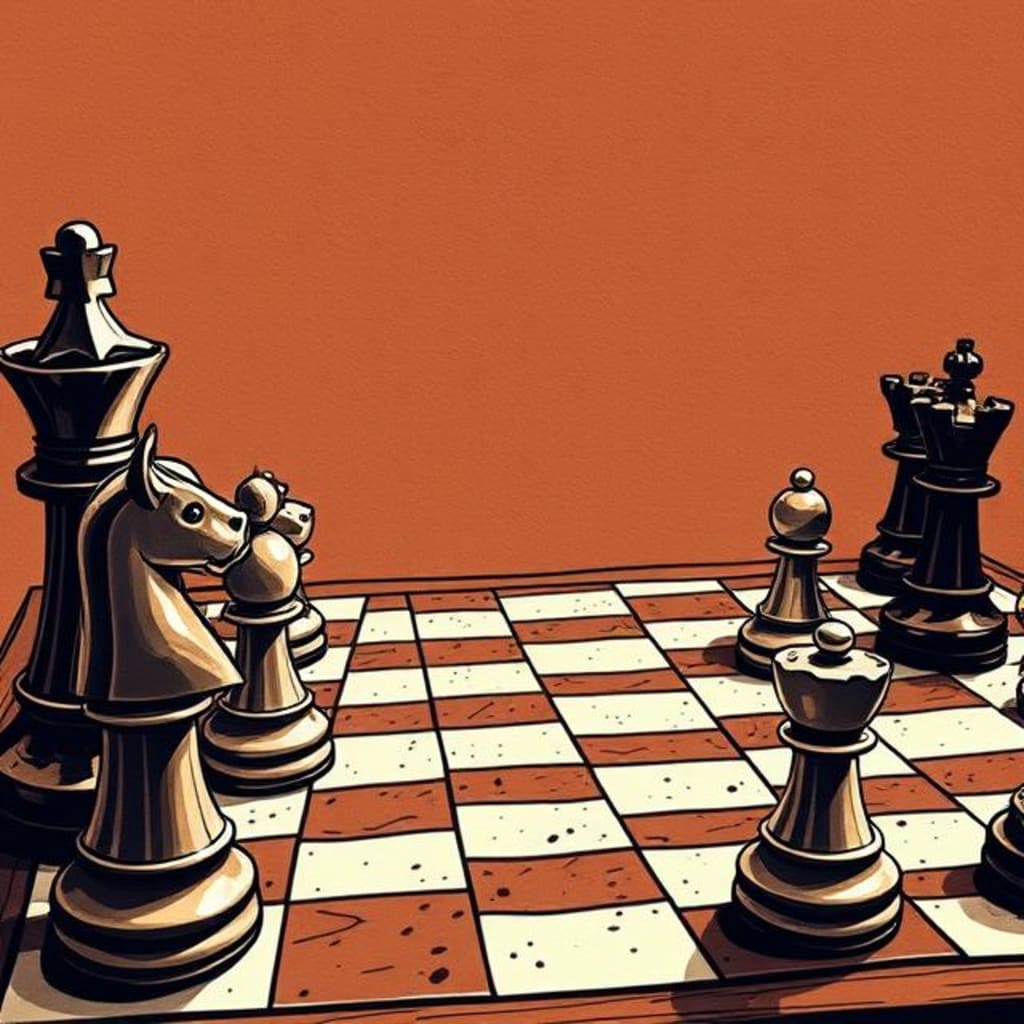
Life, much like chess, is a game of infinite possibilities, calculated risks, and deliberate moves. While chance plays a role in both, success in either arena depends largely on foresight, adaptability, and a deep understanding of one’s position and objectives. To view life through the lens of chess is not only to see the world as a series of challenges and responses but also as a dynamic board where every decision creates ripples across time and consequence.
Opening Moves: The Foundation of Progress
Just as a strong chess game begins with solid opening moves, life’s early stages demand careful preparation and a clear sense of direction. In chess, the first few turns set the tone for the middle game control the center, develop your pieces, and safeguard your king. Similarly, life’s “opening” whether it’s education, early career choices, or forming habits is about building structure and seizing opportunities that establish long-term advantage.
Too often, people rush into decisions without understanding the broader implications. A wise chess player knows that each piece moved alters the balance of power. In life, decisions about relationships, finances, or career paths should be made with the same thoughtful consideration, understanding that every action triggers a cascade of consequences.
The Middle Game: Complexity and Adaptability
The middle game in chess is where the real battle takes place. Pieces clash, sacrifices are made, and strategies unfold in unpredictable ways. Life is no different. As we move beyond foundational stages, we encounter complexity: setbacks, new opportunities, shifting goals, and external pressures.
This is the phase of life where adaptability becomes critical. A rigid plan might fail when faced with unexpected challenges. A seasoned chess player knows when to abandon one strategy and pivot to another. In life, too, clinging to a goal that no longer serves us, or refusing to change course when circumstances demand it, can lead to stagnation or even failure.
Moreover, the best chess players think several moves ahead. They anticipate not just their own actions, but the potential responses of their opponents. In life, foresight is equally powerful. Those who consider the long-term impact of short-term choices often find themselves better positioned for success, stability, and personal growth.
The Endgame: Precision and Legacy
In chess, the endgame is a test of patience and precision. With fewer pieces on the board, every move becomes more consequential. Life’s later stages whether defined by age, experience, or completion of significant goals similarly demand clarity and purpose. This is when the impact of earlier decisions becomes most apparent.
Just as in chess, where the endgame can still be won or lost despite early advantages or disadvantages, life offers opportunities for redemption, legacy-building, and renewed focus. Those who play the long game who invest in relationships, values, and meaningful work find that even in the final moves, there is dignity, fulfillment, and power.
Lessons from the Board
Playing life like chess teaches us to embrace discipline over impulse, strategy over chance, and reflection over haste. It teaches us to respect time both our own and others’ and to recognize that every move, no matter how small, matters.
There will be losses. A piece sacrificed. A plan undone. But even in loss, chess teaches us to analyze, learn, and improve. In life, failure is often the best instructor provided we pause long enough to understand its lessons.
Conclusion: Be Both the Player and the Board
Ultimately, playing life like chess is not about becoming coldly strategic or manipulative. It’s about living intentionally. It’s about knowing when to act, when to wait, and when to change direction. Life, like chess, is not a game we play alone it involves others, their perspectives, their motives, and their moves.
But perhaps the most empowering idea is this: in life, unlike in chess, we are not only players we are also the board. We shape the game as much as we play it. With each deliberate move, we design a life of meaning, balance, and thoughtful victory.
About the Creator
Fred Bradford
Philosophy, for me, is not just an intellectual pursuit but a way to continuously grow, question, and connect with others on a deeper level. By reflecting on ideas we challenge how we see the world and our place in it.
Keep reading
More stories from Fred Bradford and writers in Motivation and other communities.
A Retired Worker’s Timeless Advice for a Fulfilling Life
When it comes to life advice, there’s something uniquely valuable about the perspective of someone who’s spent a lifetime working—not in boardrooms or on stages, but in the steady rhythm of everyday labor. Retired workers often carry with them a quiet wisdom, forged through decades of showing up, solving problems, and persevering through both challenges and victories.
By Fred Bradford8 months ago in Motivation
The Layers Of Healing
On March 7th, 2022, my life changed drastically when I escaped domestic violence. Since then, I have begun to understand the true extent of what I survived, and I have been forced to take a deep look within to learn why I, and so many others, didn’t see their situations for what they truly were. In that journey, I have begun to see the patterns that led to the past. In most cases of domestic violence, the red flags present themselves right away; however, most victims have other circumstances that lead them not to see or straight-up ignore them. With self-love and motivation, you can heal your soul and live your best life.
By Kristine Franklin3 days ago in Motivation



Comments
There are no comments for this story
Be the first to respond and start the conversation.