
🕊️ Birds of Afghanistan – A Forgotten Tale of Nature
When the sky sings poetry, birds become its sweetest verses

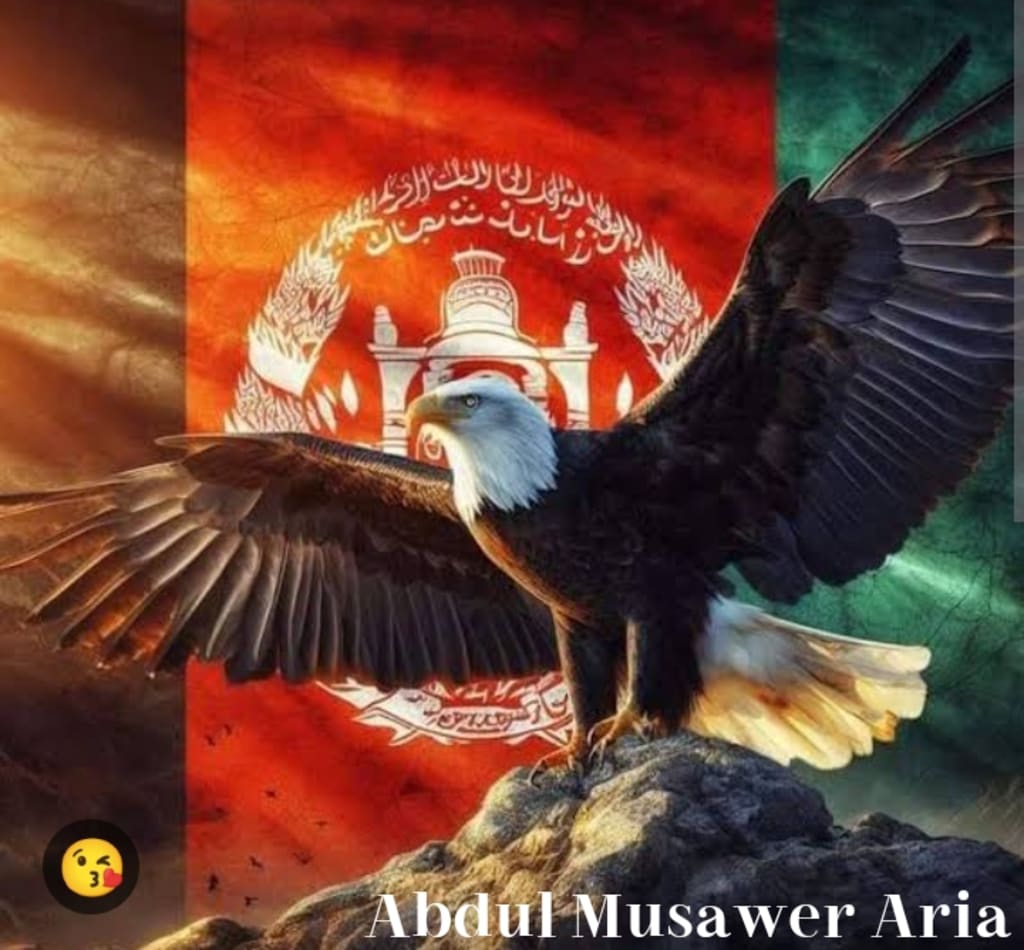
Afghanistan is often seen through the lens of war, rugged mountains, or ancient cities. But beyond the headlines, this land holds a hidden secret in its skies — a sanctuary for birds. With more than 470 species of birds either residing or passing through, Afghanistan is a vital migratory corridor linking Central Asia, the Middle East, and parts of Europe. Every spring and autumn, the Afghan sky becomes a highway of wings — yellow, green, black, grey, and crimson — soaring above fields, deserts, rivers, and cities.
Here, your eyes might meet colors you thought only existed in paintings:
The Bee-eater is a masterpiece of nature, painted with emerald, turquoise, gold, and chestnut. When it flutters during sunset, it’s like watching a living artwork in motion.
The Hoopoe, known in Islamic stories and the Quran, wears a crown of feathers and sings with a soft call, full of mystery and dignity. Its loyalty is the subject of folklore, and its flight a symbol of wisdom.
The Lesser Kestrel, a small falcon, is quick, clever, and graceful. You might see it darting through city rooftops or hovering over fields — a royal guest in a humble home.
The Chukar Partridge, with its distinctive call, roams the mountains of the north. You may hear it long before you see it, echoing across valleys like an ancient folk song.
And then there’s the Saker Falcon — majestic, proud, and powerful. It rules the sky like a prince of the peaks. Yet, this noble bird is now endangered, a reminder that even the strongest are not safe from human carelessness.
Every year, migratory birds make a stopover in Afghanistan during their long journey between Central Asia and the Indian subcontinent. Though their stay is brief, their message is lasting: this land must remain safe, even for those who stay only a while.
The Siberian Crane, an elegant white traveler, sometimes visits the wetlands of Helmand.
The Common Sandpiper dances along rivers and ponds, always searching, always moving.
The Black Stork, a rare beauty in black and white, has been spotted near Panjshir, Badakhshan, and Balkhab.
In Afghan poetry, birds are symbols of longing, freedom, and fate.
“The bird without wings still dreams of the sky.” — a phrase that tells of our people’s hunger for liberty.
“Like the Kakoti — small in form, vast in heart.” — a metaphor of silent strength and hidden beauty.
To lose birds is not just to lose feathers in the wind. It is to lose balance in the web of life. These creatures are not ornaments — they are essential threads in the fabric of our ecosystem.
And in a country where war has stolen breath, birds still fly. They remind us that freedom is not only for humans. Every living being — great or small — deserves peace.
So next time you look up, and see a shadow glide across the sky, pause. That may be a Hoopoe, a falcon, or a tiny bird you've never known. It may have flown thousands of miles to be here, to rest — in your homeland.
In a world that moves fast, these birds teach us something ancient:
To fly light.
To sing freely.
To find home, even if only for a moment.
Wings Over My Homeland
Wings whisper through the Afghan skies,
Painted feathers where freedom lies.
Over mountains, through the blue,
Birds sing songs both old and true.
They carry hope from shore to shore,
Reminding us of peace once more.
Though borders bind the earth below,
Their flight is boundless—soft and slow.
They teach us how to rise and go.
About the Creator
Keep reading
More stories from Abdulmusawer and writers in Motivation and other communities.
Afghanistan’s Fruits: Sweetness Grown in Hardship
Afghanistan is not just a land of mountains and history — it is also a land of fruit. Juicy pomegranates, sun-kissed apricots, golden melons, and crisp apples grow in its valleys, nourished by natural spring water, clean air, and organic soil. Afghan fruit doesn’t just taste good — it tastes real.
By Abdulmusawer7 months ago in Motivation
Influential Women Magazine: Where Power, Purpose, and Legacy Align
In a world where visibility is often mistaken for influence, Influential Women Magazine stands apart. It is more than a publication - it is a purpose-driven platform that celebrates women whose leadership is rooted in substance, values, and long-term impact. Rather than focusing on fleeting trends or surface-level recognition, the magazine amplifies stories that matter stories of women shaping industries, communities, and future generations through intentional leadership.
By influentialwomenmagazine3 days ago in Motivation
So You Decided To Become a Nurse Practitioner:
So you decided to become an "Advanced Practice" nurse. Congratulations!... is what I would say if this was a good idea. Grad school? In this economy? What were you thinking? Likely it was something along the lines of either 1) “I've seen these other chucklefucks do it— Why can't I?” or even 2) “I've got a nice career, I should shake it up. I miss feeling like I have no clue what I'm doing.”
By Sandor Szabo2 days ago in Fiction


Comments (1)
WOW SOO GOOD