
Behind the Wire: Notes of Hope
Women in Prison Heal Through Music

Growing up in the predominantly white suburbs of DC, I was largely insulated from the struggles of marginalized groups. The household of my youth clung to its own belief of cultural norms. Especially my mother, who often looked down on music from the 70s and 80s. Despite my father’s Middle Eastern heritage, my parents were determined to conform to an elusive “white model,” though I never quite understood what that entailed. Amid a dysfunctional family with complex dynamics, I often found myself struggling to navigate my way through it.
Entering the workforce opened my eyes to the richness of cultural diversity. I was naturally drawn to the flavors, celebrations, and customs of different cultures. I was drawn to the vibrant aspects of food, festivals, and different ways of life. It was fascinating, enjoyable, and dynamic. I wholeheartedly embraced different religious traditions and attended concerts, eagerly embracing these new experiences like a dry sponge soaking up water.
I don’t feel comfortable to speak to the struggles specifically to Black people. I want to keep the link to the justice impacted people. When I simply changed the question to the following, the idea clicked. Bring into those who have been incarcerated, I wonder about how the women I saw used music to maintain a connection to the other side of the razor wire.
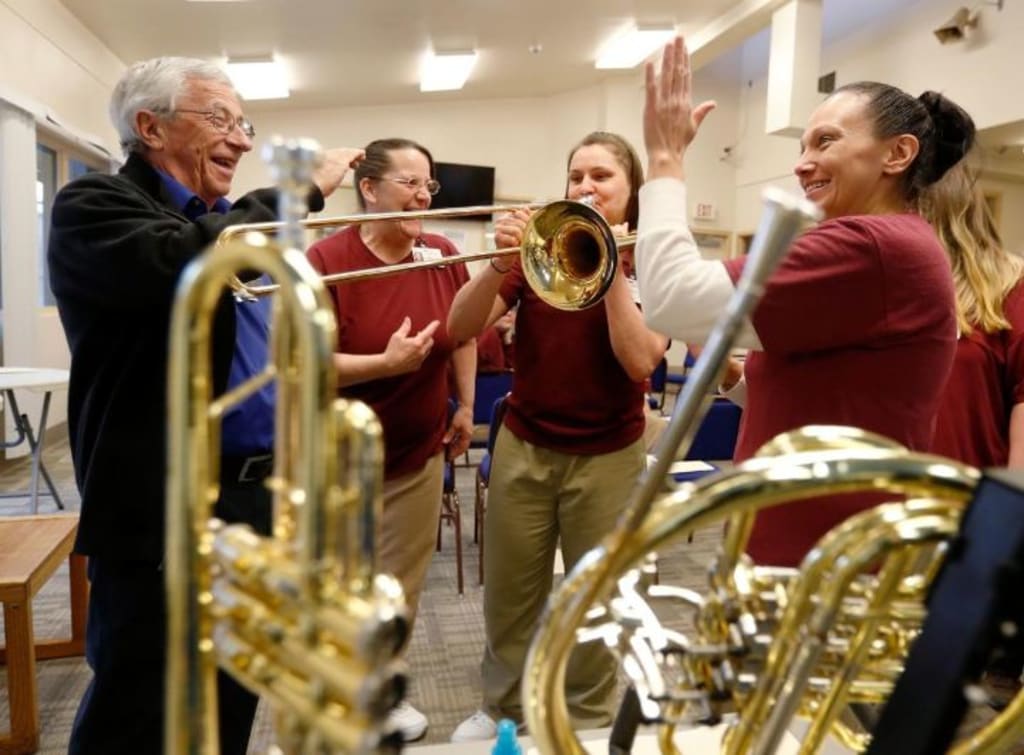
Women would share a pair of earbuds and listen to the radio together. It brought them a sense of togetherness through the music. This was regardless of genre. For some of us older gals, it would me our music of the 70s thru the current pop hits. For the younger ladies, it would a blend of hip hop, but also included was the drumming music vibrant thru Native American cultures around Montana.
The women often went a step further by transcribing song lyrics into letters for their families. Sharing these seemingly simple lyrics provided a sense of unity, despite being physically separated by wire fencing and limited visitation schedules. It created a bridge of togetherness and emotional connection across the hard boundaries of society and courts.
During my struggle, I stumbled upon an old song that brought me great comfort. The lyrics repeated the phrase “can survive” many times and even paid homage to the “western sky” of Montana. This reminded me of another empowering song, “I Will Survive” by Gloria Gaynor. With those songs playing in my earbuds, despite the glares from a staff member, I allowed the music to sink in, energizing my mind and heart. Survival, I realized, comes from the heart. In any culture undergoing social change, music serves as the fuel that propels us forward.
We all find our own personal fuel to keep us moving. The question is where we choose to go, and that is an extremely personal matter. I have a natural inclination to be a facilitator of social change. Others might be driven toward medical research or humanitarian aid overseas. For me, my music selections power up my internal batteries, and I observed that it did the same for others.
In modern times, music continues to be a powerful tool for social change. Artists like Beyoncé, Kendrick Lamar, and Janelle Monáe use their platforms to address issues of racism, police brutality, and gender inequality. Through their music, they bring attention to these critical issues and inspire action. Music videos, performances, and lyrics become mediums through which these artists can convey their messages and mobilize their audiences.
Moreover, music has the unique ability to evoke emotions and memories, making it an effective tool for therapeutic purposes. Music therapy is used to help individuals cope with various mental health issues, including depression, anxiety, and PTSD. By tapping into the emotional power of music, therapists can help their clients process their feelings and experiences in a safe and supportive environment.
The transformative power of music transcended the physical barriers and societal divisions. As I navigated my own journey through the complexities of cultural identity and familial expectations, I found solace and connection in the diversity of experiences around me. For the women I observed, music served as a lifeline, a means to bridge the emotional chasm created by incarceration. It fostered a sense of unity and belonging, proving that even in the most challenging circumstances, the human spirit finds ways to connect, heal, and thrive. By sharing our stories and embracing our differences, we can build stronger, more compassionate communities.
About the Creator
May Simmons
I'm May Simmons. I live on breathtaking Flathead Lake Polson Mt. I do lots of things - prison reform, buy local, crafts and writing. I am on FB and Twitter.
Keep reading
More stories from May Simmons and writers in Motivation and other communities.
Building A Better Criminal Justice System
The President of the Montana Parole Board (Steve Hurd) conducted a hearing on 15 December 2022 which violated many legal and ethical principles. The hearing, chaired by the Board President was a direct a conflict of interest. No evidence was presented to affirm the ultimate decision. Nor was the candidate ever able to view anything supporting the hearing decision. The board's decision was not based on sound evidence, just hearsay.
By May Simmons3 years ago in Criminal
A Dart at Dusk
Seconds ago, the sullen sun set on the two of us… my exuberant furry companion and me. A fresh breeze embraces us, delivering welcome relief from the day’s oppressive heat. His typical stumbling and staggering along — apace with a sloth — has turned into trip-trapping, high-stepping, almost skipping along.
By Angie the Archivist 📚🪶a day ago in Petlife


Comments
There are no comments for this story
Be the first to respond and start the conversation.