
Animals in Translation
A quick review of Animals in Translation gives a sample of what the book covers.

Introduction
"Animals in Translation" by Temple Grandin and Catherine Johnson explores the unique insights that autism provides into understanding animal behavior. Temple Grandin, a renowned animal scientist who is also autistic, argues that autistic individuals and animals share a way of thinking that is grounded in sensory details rather than abstract concepts. This book bridges the gap between human and animal experiences, providing a fresh perspective on animal cognition, emotions, and intelligence.
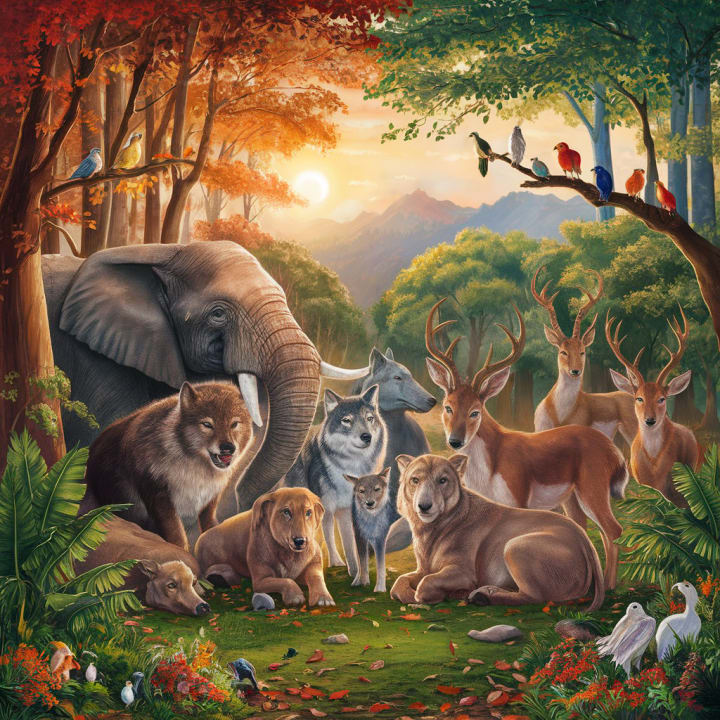
Chapter 1: Thinking in Pictures
In the opening chapter, Grandin introduces her concept of “thinking in pictures.” She explains that, like many autistic individuals, she experiences the world through detailed visual images rather than words. This mode of thinking is similar to how animals process information. Animals, like autistic individuals, rely heavily on sensory-based experiences, making them more aware of their surroundings. Grandin uses this connection to argue that humans can better understand animal behavior by focusing on sensory perceptions and specific details.
Chapter 2: Sensory-Based World
Grandin discusses the sensory-based world of animals, emphasizing their acute sensitivity to stimuli. Animals perceive their environments through heightened senses such as smell, sound, and sight. The author shares examples from her work in the livestock industry, where she observed how minor changes in the environment could significantly impact animal behavior. This chapter highlights the importance of understanding these sensory experiences to improve animal welfare and human-animal interactions.
Chapter 3: The Emotional Lives of Animals
This chapter delves into the emotional lives of animals, challenging the notion that they are purely instinct-driven beings. Grandin argues that animals experience a range of emotions similar to humans, including fear, joy, and empathy. She supports her claims with scientific research and personal anecdotes, emphasizing that recognizing these emotions is crucial for treating animals with compassion and respect. The chapter also explores the concept of animal communication and how emotions play a role in social interactions.

Chapter 4: Animal Intelligence
Grandin explores the topic of animal intelligence, questioning traditional measures that often underestimate their cognitive abilities. She argues that animals possess different types of intelligence, such as spatial memory and problem-solving skills, which are not always captured by conventional tests. Through various examples, including clever problem-solving by dogs and tool use by birds, Grandin illustrates that animals have their unique ways of demonstrating intelligence. This chapter encourages readers to broaden their understanding of what it means to be intelligent.
Chapter 5: The Importance of Animal Emotions
In this chapter, Grandin emphasizes the critical role that emotions play in animal behavior. She explains how emotions drive actions and decision-making processes in both animals and humans. Using examples from her experiences with cattle, she shows how fear and stress can significantly affect behavior and well-being. Grandin advocates for recognizing and accommodating the emotional needs of animals in various settings, from farms to zoos, to improve their quality of life.
Chapter 6: The Role of Instinct
Grandin examines the role of instinct in animal behavior, highlighting the complex interplay between instinct and learned behaviors. She discusses how certain behaviors are hardwired into animals, yet they can adapt and learn from their environments. The chapter also addresses the misconceptions about instinctual behavior, arguing that animals are not solely driven by instinct but also by their interactions and experiences. Understanding this balance is key to developing effective training and management practices.
Chapter 7: Fear and Survival
This chapter focuses on the role of fear in animal survival. Grandin explains that fear is a fundamental emotion that helps animals avoid danger and threats. She discusses how animals perceive and respond to fear-inducing stimuli, emphasizing the importance of creating environments that minimize stress and fear for domesticated animals. The chapter also explores the evolutionary aspects of fear, showing how it has shaped the behaviors of various species.
Chapter 8: The Animal Brain
Grandin provides insights into the neurological similarities and differences between animal and human brains. She explores how the structure and functioning of animal brains influence behavior and cognition. The chapter delves into the concept of neurodiversity, drawing parallels between the brains of autistic individuals and animals. Grandin uses her own experiences to illustrate how understanding brain function can lead to better treatment and management of animals.
Chapter 9: Communication and Language
In this chapter, Grandin explores animal communication and the extent to which animals can understand and use language. She discusses various forms of communication, from vocalizations to body language, and how they convey information and emotions. The chapter also examines the limitations of language in animals, highlighting the differences between human and animal communication systems. Grandin argues that by understanding these communication methods, humans can improve their interactions with animals.
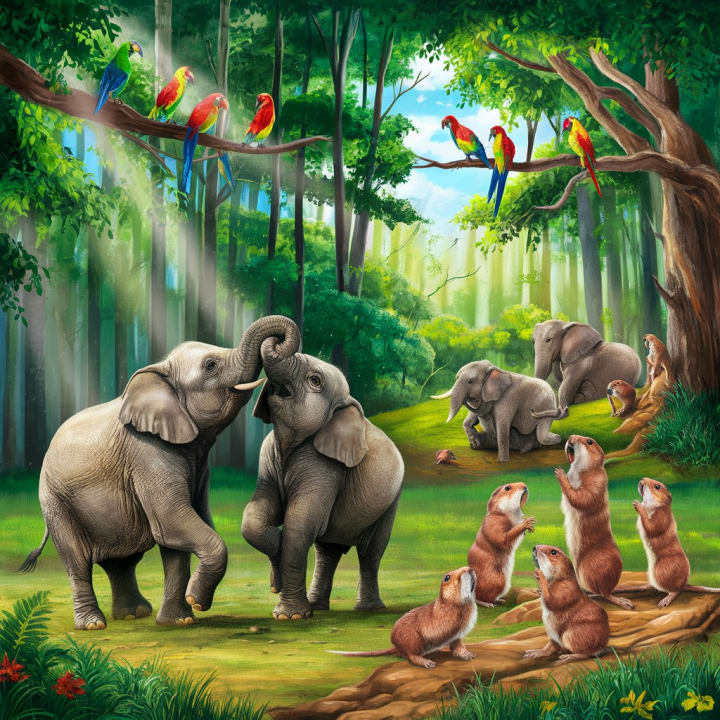
Chapter 10: The Social Lives of Animals
Grandin examines the social structures and relationships within animal groups. She discusses the importance of social bonds and hierarchies in animal societies, drawing comparisons to human social behavior. The chapter explores how animals establish and maintain social connections, emphasizing the role of cooperation and competition. Grandin uses examples from her work with livestock to demonstrate how understanding social dynamics can enhance animal management and welfare.
Chapter 11: Animal Welfare and Ethics
In the final chapter, Grandin addresses the ethical considerations surrounding animal welfare. She advocates for humane treatment and emphasizes the importance of understanding animal needs and emotions. The chapter discusses the responsibilities of humans in ensuring the well-being of animals in various contexts, from farming to scientific research. Grandin concludes by urging readers to consider the moral implications of their interactions with animals and to strive for compassionate and ethical treatment.
Conclusion
"Animals in Translation" offers a unique perspective on animal behavior through the lens of autism. Temple Grandin’s personal experiences and insights provide a compelling argument for reevaluating how we perceive and interact with animals. By understanding the sensory-based world, emotions, and intelligence of animals, humans can foster more compassionate and effective relationships with the animal kingdom. The book encourages readers to embrace neurodiversity and appreciate the complexity of animal minds, ultimately advocating for improved animal welfare and ethical treatment.
**Affiliate Disclosure** This article contains affiliate links, meaning that we will receive a small commission at no added cost to you as part of our partnership with Audible when you sign up for a free trial to obtain this book.
About the Creator
Keep reading
More stories from Ermelita T. Engracio and writers in Motivation and other communities.
The Mamba Mentality: How I Play
Introduction The Mamba Mentality: How I Play by Kobe Bryant is a deep dive into the mindset and dedication that made Bryant one of the greatest basketball players of all time. Known for his unparalleled work ethic and competitive spirit, Bryant shares insights into his training, strategies, and personal philosophy, which he famously dubbed the "Mamba Mentality." Through personal anecdotes, detailed descriptions of his preparation, and stunning photography, Bryant offers an intimate look at his career and the lessons he's learned on and off the court.
By Ermelita T. Engracioabout a year ago in Motivation
Affection and Healing for Yourself
During the night of the last quarter moon, I gathered my ritual supplies. I carefully handled the chunk of black tourmaline that would protect me from your overall negative and narcissistic energy. I carefully walked the house with my stick of selenite in hand, asking the universe to cleanse our working space.
By Alisha Wilkins ✒️🦋🖋️4 days ago in Fiction


Comments (2)
So so amazing .i love your content and subscribed. Kindly reciprocate by subscribing to me also . thank you and keep it up
Thanks for sharing