
You have 2kg of bacteria in you — find out what the microbiome is.
The microbiome is a frequently used term these days, and it’s worth knowing what it means. I will explain what the human microbiome is and how it affects our health and overall well-being.


The human body is inhabited by various microorganisms. Although we associate them primarily with danger and the risk of developing infections, they are also involved in many physiological processes, helping to maintain good health and improving immunity. Microorganisms inhabit, among other things, the gastrointestinal tract, influencing digestive processes and supporting immune function.
What is the microbiome?
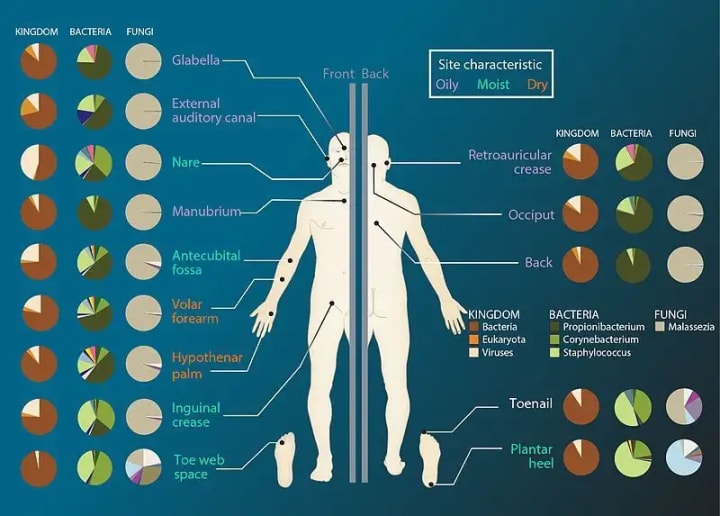
The microbiome is nothing else than a group of microorganisms, which inhabit the interior of the human body and are found, for example, on the skin. They form a unique “ecosystem”, performing many important functions. The microbiome is composed mainly of bacteria, e.g. of the lactobacillus genus, but also fungi and other microorganisms. For many years, intensive research has been conducted on the quantitative and qualitative composition of the microbiome, as well as its impact on overall health. They have proven that the microbiome affects, among other things, the functioning of the immune system, supporting its work, as well as our general well-being and mental condition. Disorders of the natural bacterial flora, which forms the microbiome, promote the development of various diseases.
The human microbiome is the totality of commensal, symbiotic, and pathogenic microorganisms inhabiting our body, which are necessary to maintain proper immune status. Symbiotic microorganisms, which determine the course of certain biological reactions, are particularly important for our health. An example is the bacteria that populate the large intestine, participating in the digestive processes and protecting against excessive proliferation of pathogens.
Disorders of the natural microbiome result in more or less serious abnormalities, but they always affect the human body in a negative way. They are associated, among others, with a diet rich in highly processed products and taking antibiotics. In the body of a healthy adult human there may be even more than 2 kg of bacteria, which form his unique microbiome, affecting the course of life processes.
Microbiome, microbiota or microflora?
“Microbiome” is one of the terms used in professional literature and colloquial speech. The name has been in use since 2001 to denote the general collection of genomes of microorganisms that have been discovered through molecular research technology. The microbiome includes commensal and symbiotic microorganisms as well as microorganisms with pathogenic effects on our bodies.
“Microbiota” refers to a group of microorganisms that inhabit a specific environment. Historically, the common name “microflora” has been used, but due to ongoing research and the isolation of various types of microorganisms, it is too general a term.
Although the definitions of microbiome, microbiota and microflora differ slightly, they essentially refer to the same thing, meaning all of the microorganisms that inhabit a given environment, so it’s not wrong to use them interchangeably.
Functions of the microbiome
The microbiome has many important functions, influencing, among other things:
- the body’s natural immune mechanisms,
- Development of the nervous system and brain,
- proper functioning of organs and systems.
The functions of the microbiome are not limited to modulating the basic mechanisms of the functioning of the body. Its composition and quality translate into increased or reduced risk of certain diseases such as food allergies and intolerances, metabolic diseases, and cancer. For example, microorganisms living in the gastrointestinal tract reduce the risk of colon and stomach cancer, as well as metabolic diseases, including diabetes. Moreover, a “healthy” microbiome protects against the development of autoimmune diseases and affects energy levels and mood, reducing the risk of developing depression.

Types of microbiome
Based on the place of occurrence, we divide the microbiome into, among others:
- the gastrointestinal microbiome,
- the genitourinary microbiome,
- the respiratory microbiome,
- the skin microbiome,
- the oral and nasopharyngeal microbiome.
Each of the above microbiomes differs in its qualitative and quantitative composition, which means that no two people have identical microflora — it is as unique as a fingerprint. Particularly important for our health are intestinal bacteria, thanks to which basic metabolic processes take place and some nutrients can be synthesized.
The microbiome affects the functioning of the brain, lungs, liver, genitourinary organs, heart, skin, mucous membranes and metabolic processes that affect the accumulation of body fat.
How is the microbiome formed?
Research has shown that the microbiome of every human being is formed during the prenatal period and the first months of life. This is when the body is intensively colonized with various microorganisms and the basic mechanisms of immunity are formed.
The formation of the microbiome is influenced, among other things, by:
- the method of birth — natural childbirth allows the child’s first contact with microorganisms present in the mother’s genital tract;
- feeding method — in the case of infants fed with modified milk, we deal with a smaller number of good bacteria in the digestive system;
- living environment — sterile environment disturbs the microbiome of the child’s body and influences the appearance of immune disorders.
The microbiome of infants, young children, adolescents and adults differs significantly, which is due to many factors. It has been proven that the composition of the microbiome is positively influenced by so-called controlled dirt. If there are animals in our immediate environment and we can come into contact with various hazards, i.e. viruses, allergens and bacteria, the risk of frequent infections decreases significantly.

What affects the microbiome?
As already mentioned, each of us has a unique microbiome that needs to be taken care of. The microbiome of the body is greatly affected by the diet, which can favor the development of beneficial microorganisms or disrupt the balance between good and bad bacteria, promoting the development of, for example, diseases with a fungal background. The human body should not significantly weaken the microbiome, which occurs, for example, during antibiotic therapy, when acting on pathogenic bacteria, we simultaneously destroy beneficial intestinal bacteria, which can lead to another disease.
The way of feeding is of great importance already at the beginning of life, allowing for the development of bacterial flora. Infants who are breastfed for the first 6 months of life are less likely to develop allergies than those who are fed modified milk. This is because breast milk contains natural probiotics, which have a beneficial effect on the formation of immunity and functioning of the digestive system.

At every stage of life, we encounter factors that disrupt the functioning of the natural microbiome, causing such conditions as acute diarrhea and abdominal pain, as well as chronic diseases such as irritable bowel syndrome, obesity, depression, autoimmune disorders and dangerous cancers. We can prevent them by taking care of our gut bacteria, which have the greatest impact on the body’s immunity.
How does diet affect the microbiome?
Of particular importance for the “health” of intestinal bacteria is the diet, lifestyle and what environment we live in. Continuous isolation from microbes, as well as eating foods low in probiotics and prebiotics, is one of the factors that contribute to lowering the body’s immunity. In order to take care of the intestinal microflora, we should first of all increase the intake of plant products, which provide the body with resistant starch, as well as increase the intake of natural probiotics, whose sources are, for example, silages and fermented dairy products. Moreover, it is necessary to eliminate harmful simple sugars from the diet and to avoid the consumption of large amounts of alcohol.
Microbiome and civilization diseases
A weakened microbiome promotes the development of civilization diseases. One example is obesity. Diseases related to the microbiome also include irritable bowel syndrome, autoimmune diseases, which lead to the destruction of the body’s own cells by the immune system, as well as some heart and liver diseases.
Invest in your microbiome and gain immunity!
A healthy diet and a hygienic lifestyle allow you to take care of your microbiome and protect yourself from a decrease in immunity and diseases associated with disorders of the microbiome. The microbiome should be taken care of from the first days of life, which will pay off in the future with better health and well-being. Using a diet that will take care of the intestinal bacteria and other components of the body’s microflora, we can effectively reduce the risk associated with the development of common diseases and avoid deterioration of health.

Summary
The microbiome is composed of bacteria and other microorganisms present inside the body and on the skin, which affect, among other things, the functioning of our immune system. Disturbances related to the microbiological balance of the body have a significant impact on our health, promoting the development of many diseases with which modern medicine is still unable to cope effectively. Probiotics and prebiotics supplied to the body from food may prove to be insufficient support when we are undergoing antibiotic therapy, which is why it is necessary to use preparations with live bacteria cultures in the form of medicines and dietary supplements.
About the Creator
Day 4 of Quitting
If this is how sobriety feels, maybe it’s better to go through life a little buzzed… this, along with other hits like, I want to kill myself, I wish I was dead, and I’m going to throw myself off a bridge have been the only thoughts on rotation these past few days. I promise myself that if, in a month, I still feel like this (‘this’ meaning despondent, full of rage, and simultaneously numb) I can go back to smoking. Until mid-February though? Nicotine is off the table.
By sleepy drafts12 days ago in Longevity
Bacterial Skin Infections
Introduction: When it comes to skin irritation, not every one of them is a simple rash. There are some bacteria that can enter the skin through tiny cuts and hair follicles. These bacteria include Staphylococcus aureus (Staph) or Streptococcus pyogenes (Strep) that can cause infections ranging from irritation and bothersome to dangerous.
By benjamin taylor6 days ago in Longevity
How to Succeed at the Benson Directory®
Congratulations and welcome to the Benson Directory® employee #22391! As our newest call handler, you will have the privilege of speaking with dozens of unique and interesting people on a daily basis as well as the opportunity to earn bonuses for high performance. Contained within this handbook you will find a set of ease to follow instructions designed to help you settle in to your new role and begin paving the way to success.
By S. A. Crawford2 days ago in Fiction



Comments
There are no comments for this story
Be the first to respond and start the conversation.