
Why Self-Care is Crucial for Your Mental Well-Being
Recharge Your Soul

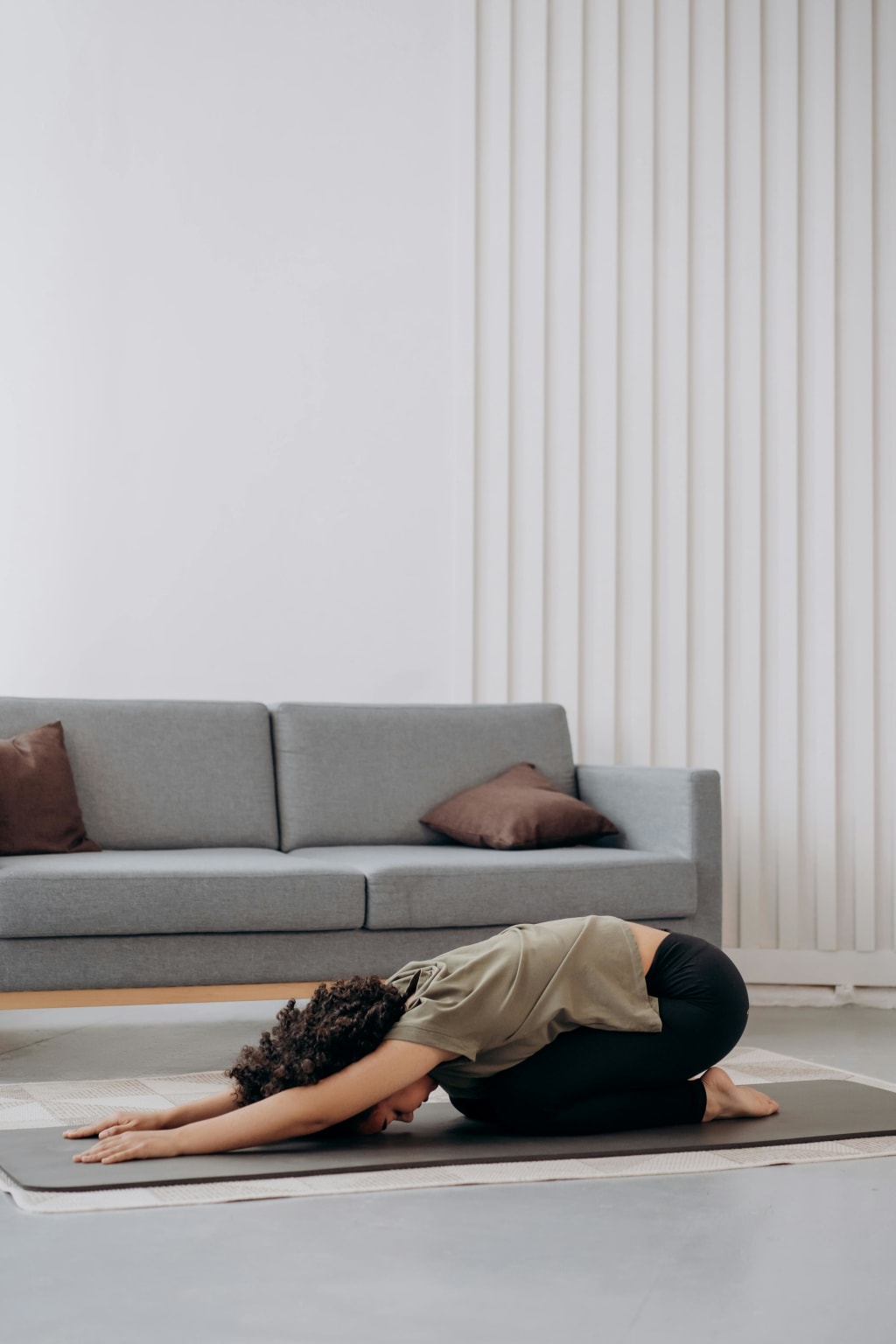
Ever feel like you're running on empty? Like you're constantly giving, giving, giving, but never taking time for yourself? You're not alone. In today's fast-paced world, self-care often gets pushed to the bottom of the to-do list. However, prioritizing your mental well-being through self-care isn't a luxury; it's an absolute necessity. This article explores why self-care is so crucial and offers some helpful tips to get you started.
Understanding Self-Care
So, what exactly is self-care? It's more than just bubble baths and face masks (though those are great too!). Self-care encompasses any activity you intentionally do to improve your physical, emotional, and mental health. It's about recognizing your needs and taking proactive steps to meet them. Essentially, it's about nurturing yourself.
The Impact of Neglecting Self-Care
When we consistently neglect self-care, the consequences can be significant. Firstly, we become more susceptible to stress and burnout. Furthermore, our mood can suffer, leading to irritability, anxiety, and even depression. Moreover, our physical health can take a hit, manifesting as fatigue, headaches, or a weakened immune system. Ultimately, neglecting self-care impacts every aspect of our lives, affecting our relationships, work performance, and overall happiness.
Benefits of Prioritizing Self-Care
On the other hand, prioritizing self-care yields a multitude of benefits. Firstly, it reduces stress and improves mood. By taking time to relax and recharge, we can better manage the challenges life throws our way. Secondly, self-care boosts our energy levels and improves focus. When we feel rested and rejuvenated, we're more productive and creative. Additionally, it strengthens our relationships. When we care for ourselves, we have more to give to others. Finally, consistent self-care can significantly improve our overall mental well-being, fostering resilience and a greater sense of self-worth.
Practical Self-Care Tips
Now that you understand the importance of self-care, let's explore some practical tips you can incorporate into your daily routine:
Mindfulness and Meditation: Even a few minutes of daily meditation can significantly reduce stress and improve focus.
Physical Activity: Exercise releases endorphins, which have mood-boosting effects. Find an activity you enjoy, whether it's yoga, running, or dancing.
Healthy Diet: Nourishing your body with wholesome foods provides the energy you need to thrive.
Adequate Sleep: Aim for 7-9 hours of quality sleep each night. Sleep is crucial for both physical and mental restoration.
Connect with loved ones: Spending time with family and friends provides emotional support and reduces feelings of isolation.
Engage in Hobbies: Make time for activities you enjoy, whether it's reading, painting, playing music, or spending time in nature.
Set boundaries: Learn to say "no" to things that drain your energy and prioritize your well-being.
Seek Professional Help: If you're struggling with your mental health, don't hesitate to reach out to a therapist or counselor.
Embracing a Self-Care Lifestyle
Self-care isn't a one-size-fits-all approach. It's about discovering what works best for you and making it a regular part of your life. Start small, be patient with yourself, and celebrate your progress. Remember, prioritizing your mental well-being is an act of self-love, and it's an investment that will pay dividends in all areas of your life.
Frequently Asked Questions
Q: How often should I practice self-care?
A: Ideally, self-care should be integrated into your daily routine. Even small acts of self-care can make a big difference over time.
Q: I'm so busy. How can I possibly find time for self-care?
A: Start by scheduling short blocks of time for self-care, even if it's just 10-15 minutes a day. Treat these appointments with yourself as you would any other important meeting.
Q: I feel guilty taking time for myself. Is that normal?
A: It's common to feel guilty, especially if you're used to putting others first. However, remember that you can't pour from an empty cup. Prioritizing your self-care allows you to better care for others.
Q: What if I try self-care and it doesn't seem to be helping?
A: It may take some time to find the self-care practices that work best for you. Be patient and experiment with different activities. If you're struggling with your mental health, it's always a good idea to seek professional help.




Comments
There are no comments for this story
Be the first to respond and start the conversation.