
Why Counting Calories Is Ruining Your Health
Why Counting Calories Is Ruining Your Health
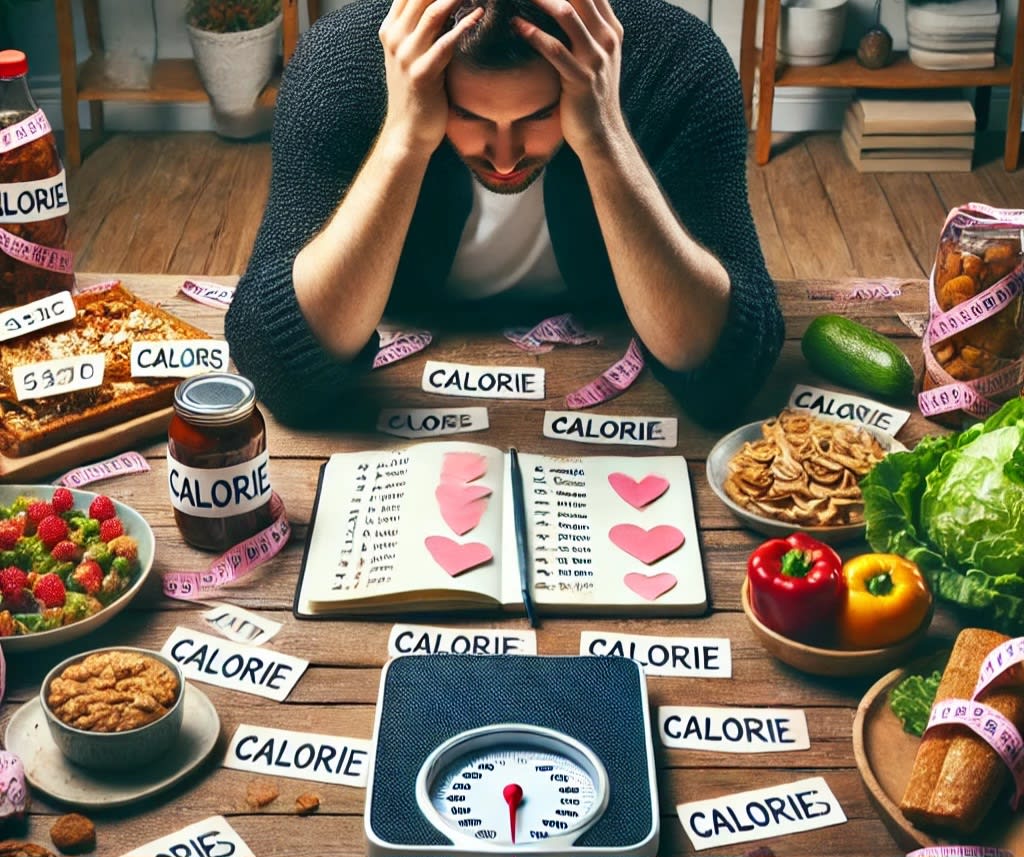
Calorie counting has been the staple of diet culture for years. The rationale is straightforward: consume fewer calories than you expend, and you will lose weight. But what if I said that this so-called foolproof method of maintaining weight might actually be harming your health? This practice, generally considered a tried-and-true method of managing weight, fails to account for the intricacy of human physiology and nutrition. Here in this article, we will examine the secret dangers of calorie counting, why it usually fails, and how you can stay healthy without being consumed by numbers.
The Flawed Science Behind Calorie Counting
Calorie counting is based on the idea that all calories are equal — but science does not agree. The body treats various foods in radically different manners. For instance, 100 calories of almonds do something to your body that 100 calories of soda do not. Almonds contain healthy fats, fiber, and protein that fill you up and feed your body, whereas soda contains sugar that spikes and crashes your blood sugar.
In addition, the thermic effect of food — the caloric cost of digestion, absorption, and metabolism of nutrients — differs widely among macronutrients. Protein, for example, burns more calories when digested than fats or carbohydrates. Thus, two diets with equal caloric content but varying macronutrient composition will have entirely different effects on weight reduction as well as overall well-being.
Also, calorie levels on food packaging are frequently unreliable. Studies reveal that processed foods can contain up to 20% variation in calories. Meals from restaurants may be even more deceptive, and they tend to have more hidden fats and sugars than approximated. When you base your eating on these figures, you may be eating more or less calories than you suppose, which creates frustration, confusion, and arrested progress.
It Encourages an Unhealthy Relationship with Food
Looking only at calorie counts can make meals a worrisome and compulsive affair. Rather than enjoying the taste and sustenance food brings, you might come to consider meals as a series of mathematical problems. Such thoughts ultimately result in anxious, guilty, and shameful feelings regarding eating, generating a poisonous cycle of restriction and excess.
Calorie counting may also support disordered eating behaviors. Constantly having to record every mouthful can give rise to food and number fixation, taking away from social moments and the sheer pleasure of consumption. In addition, individuals end up excluding nutritious foods such as avocados, nuts, and olive oil because they're calorie-dense — even if these foods yield key vitamins, minerals, and healthy fats so important for good health in the long run.
The stress to remain under a daily calorie ceiling can cause hunger and crankiness. This deprivation makes it more likely to result in bingeing, where the body makes up for extended periods of restriction by craving high-calorie, high-sugar foods. This yo-yo dieting over time can harm metabolism and emotional health.
It Ignored Nutritional Quality
When calories come first, food quality is sacrificed. A 1500-calorie diet of processed, low-calorie foods and frozen dinners is light-years from a 1500-calorie diet composed of whole foods such as vegetables, lean proteins, and healthy fats.
Nutrient-rich foods supply the vitamins, minerals, antioxidants, and fiber your body requires to work at its best. Without them, you may develop deficiencies, chronic inflammation, low energy, and a compromised immune system — even if you're meeting your calorie goals. Conversely, refined sugar and unhealthy fat foods can lead to insulin resistance, obesity, and cardiovascular disease even if they fit into a calorie-restricted diet.
In addition, highly processed low-calorie foods tend to be filled with artificial sweeteners, preservatives, and other chemicals that interfere with gut health and hormone balance. These hidden risks compromise overall health while creating the illusion of a controlled calorie intake.
It Can Slow Down Your Metabolism
Extreme calorie deprivation can fool your body into believing it's in a famine mode. In response, your metabolism decreases to help you hold onto energy, and it becomes more difficult to lose weight and gain it back more easily when you resume eating as usual. This biological response, or metabolic adaptation, is a survival response that works against losing weight in the long term.
Also, when you lose weight due to drastic reduction in calorie consumption, your body tends to lose muscle in addition to fat. As muscle also burns calories, albeit while being at rest, losing muscle only lowers your metabolism further. Thus, it goes into a self-perpetuating cycle wherein you have to reduce your calorie levels further in order to lose more weight, a situation which cannot be maintained, nor is healthy.
Hormonal imbalances also result from prolonged calorie restriction. Leptin, the "fullness hormone," drops, and ghrelin, the "hunger hormone," rises — leaving you hungrier despite your body not requiring additional food. This hormonal change can propel overeating and complicate weight maintenance even further.
A Better Approach to Healthy Eating
Rather than dwelling on calories, pay attention to the quality, balance, and variety of your meals. Choose whole, unprocessed foods that will feed your body and keep you full. Protein-rich foods, healthy fats, and complex carbohydrates provide stable blood sugar levels, suppress hunger, and support ongoing energy throughout the day.
Listening to the hunger and fullness signals from your body is important in ensuring a healthy weight without strict counting of calories. Intuitive eating practices focus on mindfulness, compassion, and knowing your body, promoting a positive relationship with food. By paying attention to the natural signals of your body and selecting nutrient-dense foods, you can experience long-term wellness without the worry of continuous monitoring.
Portion size and timing of meals may also be a factor in balanced eating. Rather than skipping meals to cut calories, opt for steady, balanced meals that keep hunger at bay and avert the urge to overeat later.
Though calorie counting might appear to be an easy solution for weight control, it tends to do more harm than good. From creating an unhealthy food relationship to hindering your metabolism, the cons outweigh the pros. By paying attention to the quality of your diet, tuning in to your body's cues, and embracing mindful eating habits, you can create a healthier, more sustainable relationship with nutrition — no calculator needed.
About the Creator
Parveen Baloch
MPhil/Zoology, Freelance writer
Keep reading
More stories from Parveen Baloch and writers in Longevity and other communities.
The Scary Truth About Your Favorite 'Healthy" Foods
Healthy eating is probably something that comes to mind when you see colorful salads, fruit smoothies, and whole-grain snacks. What if I told you, though, that some of the so-called "healthy" foods you love may be causing more damage than they are good? Let's explore the shocking and frightening reality about some of the most common health foods.
By Parveen Baloch 11 months ago in Longevity
Day 4 of Quitting
If this is how sobriety feels, maybe it’s better to go through life a little buzzed… this, along with other hits like, I want to kill myself, I wish I was dead, and I’m going to throw myself off a bridge have been the only thoughts on rotation these past few days. I promise myself that if, in a month, I still feel like this (‘this’ meaning despondent, full of rage, and simultaneously numb) I can go back to smoking. Until mid-February though? Nicotine is off the table.
By sleepy drafts9 days ago in Longevity
Insulation Market Size and Forecast 2025–2033
Introduction The global insulation market is entering a decade of consistent and resilient expansion as governments, industries, and consumers increasingly prioritize energy efficiency, environmental sustainability, and long-term cost savings. According to Renub Research, the Insulation Market is expected to reach US$ 125.79 billion by 2033, up from US$ 68.65 billion in 2024, growing at a compound annual growth rate (CAGR) of 6.96% during 2025–2033. This upward trajectory reflects rising construction activity, tightening energy regulations, and a worldwide shift toward sustainable building materials across residential, commercial, and industrial applications.
By Marthan Sir2 days ago in Longevity



Comments
There are no comments for this story
Be the first to respond and start the conversation.