
The Scary Truth About Your Favorite 'Healthy" Foods
The Scary Truth About Your Favorite 'Healthy' Foods"
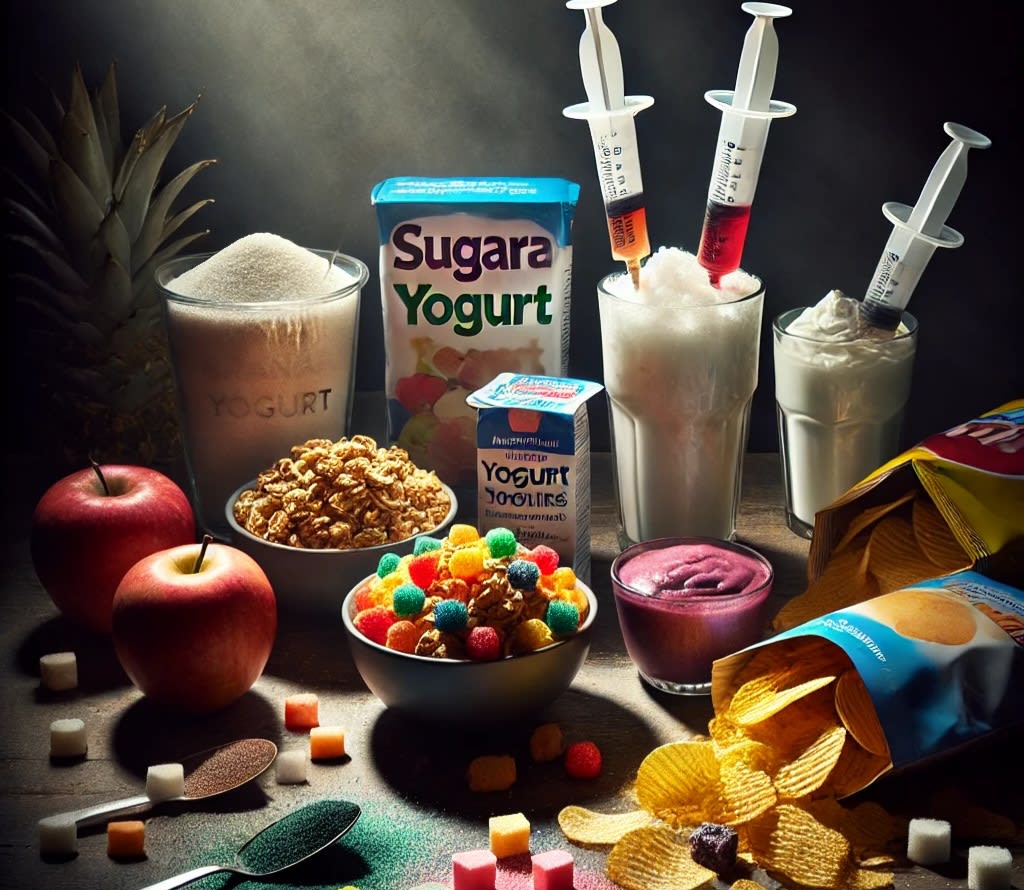
Healthy eating is probably something that comes to mind when you see colorful salads, fruit smoothies, and whole-grain snacks. What if I told you, though, that some of the so-called "healthy" foods you love may be causing more damage than they are good? Let's explore the shocking and frightening reality about some of the most common health foods.
Granola – The Sugar Bomb in Disguise
Granola is frequently promoted as a healthy, nutritious breakfast food, filled with oats, nuts, and dried fruit. However, most packaged granola products are full of added sugars, bad oils, and artificial flavorings. One serving can have as much sugar as a candy bar! If you're a granola fan, prepare your own at home using natural sweeteners such as honey and set your own portion size. Choose recipes with unsweetened coconut, seeds, and a sprinkle of cinnamon to preserve the taste without added sugar.
Flavored Yogurt – Less Health Food Than Dessert
Yogurt is known as a probiotic superfood, but most flavored yogurts are filled with lots of added sugar, artificial sweeteners, and preservatives. Some flavored yogurts contain more than 20 grams of sugar per serving – almost as much as ice cream. Use plain, unsweetened Greek yogurt and top with fresh fruit or a sprinkle of honey for a healthy dose of sweetness. For a bonus crunch and fiber, top with chia seeds or homemade granola.
Veggie Chips – Not as Innocent as They Seem
Veggie chips are a great-sounding guilt-free snack, but they tend to be as processed and sodium- and fat-heavy as traditional potato chips. Most brands incorporate vegetable powder rather than actual veggies, which removes most of the nutrients. For a healthier alternative, bake kale or sweet potato chips in your own home. Utilize olive oil, sea salt, and spices of your choice for a tasty, crunchy snack that's actually healthy.
Smoothies – A Caloric Trap
A fruit, yogurt, and spinach smoothie is a health victory, isn't it? Store-bought and homemade smoothies, however, are easily turned into calorie bombs by adding too much fruit, juice, or sweetened yogurt. The natural sugars quickly add up, causing blood sugar spikes and crashes. Top your smoothies with a healthy fat source such as nut butter and a protein such as chia seeds. And keep portion sizes in check – a smoothie need not be as big as a meal unless carefully packed with protein, fiber, and fats.
Energy Bars – Candy Disguised
Energy bars pose as a health-conscious snack with ease, especially designed for today's busy schedules. But don't be misled - most carry loads of hydrogenated oils and high-fructose corn syrup as well as staggering quantities of sugar. Some are higher in sugar and calories than a doughnut! Look for bars with simple, whole ingredients like nuts, seeds, and natural sweeteners. Better yet, make your own bars at home using dates, oats, and nut butter – you’ll skip the preservatives and keep the nutrients intact.
Plant-Based Meat Substitutes – Ultra-Processed Pitfalls
As more people follow plant-based diets, meat alternatives such as veggie burgers and artificial chicken nuggets are becoming common. However, they are typically highly processed with added artificial flavor, preservatives, and sodium. The occasional consumption of them is okay, but whole foods plant proteins such as lentils, chickpeas, and tempeh are healthier alternatives. If you feel the urge for a burger, consider creating a homemade black bean patty using quinoa and spices – it's tasty, satiating, and much less processed.
Fruit Juices – Liquid Sugar
Even 100% fruit juice can undermine your health objectives. Juicing pulls fiber from fruit, which leaves you with a highly concentrated sugar dose. This may cause sudden blood sugar highs and more hunger soon after. If you need something fruity, consume whole fruits or mix juice with water to reduce sugar intake. Better still, add fresh berries, mint, or citrus slices to your water for an invigorating low-sugar substitute.
Gluten-Free Snacks – Not Necessarily the Best
Just because something is gluten-free doesn’t mean it’s healthy. Many gluten-free packaged snacks are made with refined starches like rice flour and potato starch, which can spike blood sugar just as much as white bread. Always check the label and prioritize whole, naturally gluten-free foods like quinoa and brown rice. If you’re looking for a snack, air-popped popcorn or homemade trail mix with nuts and seeds is a far better choice.
Diet Sodas – Chemical Overload
Most people reach for diet sodas as a lower-calorie version of regular soft drinks. But these drinks are filled with artificial sweeteners such as sucralose and aspartame, which can destroy your gut health and create cravings for sugar. Research has also associated diet soda drinking with metabolic syndrome and weight gain. Cool down with sparkling water mixed with a squeeze of lemon or a handful of crushed berries.
Pre-Packed Salads – Hidden Additives
Buying a pre-packed salad may be a great option, but most of these quick meals come laden with high-calorie dressings, candied nuts, and fried toppings. These ingredients can make a light meal weigh heavily in calories. Prepare salads at home with fresh vegetables, grilled meat, and a homemade vinaigrette made of olive oil and balsamic vinegar.
The Bottom Line
It's simple to be tricked by marketing magic and health halos, but the secret to genuine healthy eating is whole, minimally processed food. The next time you grab for a "healthy" snack, read the ingredients and nutrition label more closely. The reality may surprise you – and your body will reward you for wiser decisions. By remaining knowledgeable and concentrating on genuine, unprocessed foods, you can support your body without becoming a victim to misleading claims.
About the Creator
Parveen Baloch
MPhil/Zoology, Freelance writer
Keep reading
More stories from Parveen Baloch and writers in Longevity and other communities.
2025’s hottest trend?
In 2025, one of the most popular and revolutionary wellness trends is the quest for longevity — not longer life, but healthier, fuller life well into old age. The longevity movement is spreading across the globe with accelerating power, propelled by science, technology, and a broadening general desire to focus on quality of life. From radical health solutions to life changes, the quest for longer spans of health is redefining how we live well.
By Parveen Baloch 11 months ago in Longevity
Day 4 of Quitting
If this is how sobriety feels, maybe it’s better to go through life a little buzzed… this, along with other hits like, I want to kill myself, I wish I was dead, and I’m going to throw myself off a bridge have been the only thoughts on rotation these past few days. I promise myself that if, in a month, I still feel like this (‘this’ meaning despondent, full of rage, and simultaneously numb) I can go back to smoking. Until mid-February though? Nicotine is off the table.
By sleepy drafts9 days ago in Longevity


Comments
There are no comments for this story
Be the first to respond and start the conversation.