
Insulation Market Size and Forecast 2025–2033
Energy Efficiency, Sustainable Construction, and Industrial Modernization Drive Long-Term Market Expansion


Introduction
The global insulation market is entering a decade of consistent and resilient expansion as governments, industries, and consumers increasingly prioritize energy efficiency, environmental sustainability, and long-term cost savings. According to Renub Research, the Insulation Market is expected to reach US$ 125.79 billion by 2033, up from US$ 68.65 billion in 2024, growing at a compound annual growth rate (CAGR) of 6.96% during 2025–2033. This upward trajectory reflects rising construction activity, tightening energy regulations, and a worldwide shift toward sustainable building materials across residential, commercial, and industrial applications.
Insulation is no longer viewed as a secondary construction component. Instead, it has become a strategic investment in energy conservation, indoor comfort, climate resilience, and industrial efficiency. As countries aim to reduce carbon footprints and meet ambitious climate targets, insulation technologies are emerging as essential tools in achieving these goals. From urban housing projects and smart cities to manufacturing plants and power infrastructure, insulation materials are shaping the future of energy-conscious development.
Insulation Industry Overview
The global insulation industry is experiencing robust growth as energy efficiency, sustainability, and thermal regulation become central to modern construction and industrial operations. Insulation materials are designed to reduce heat transfer, improve indoor comfort, and significantly lower energy consumption across buildings and industrial systems. With rising urbanization, infrastructure development, and supportive government initiatives for green construction, the role of insulation has expanded across multiple end-use sectors.
Innovation is a defining feature of the current insulation landscape. Manufacturers are increasingly focusing on lightweight, high-performance, and environmentally friendly products that meet modern regulatory standards. Advanced materials such as fiberglass, mineral wool, spray foam, and calcium silicate are gaining popularity due to their superior thermal resistance, acoustic insulation, and durability. The market is also witnessing rising demand for sustainable insulation solutions made from recycled or renewable materials, reflecting the global transition toward eco-conscious manufacturing and circular economy practices.
Beyond construction, industrial sectors such as oil & gas, automotive, power generation, and heavy manufacturing are increasingly adopting insulation materials to improve temperature regulation, protect equipment, enhance safety, and boost energy efficiency. At the same time, the need for acoustic insulation in commercial offices, educational institutions, and healthcare facilities is driving demand for multifunctional insulation products.
While challenges such as volatile raw material prices and strict environmental regulations persist, continuous research and development, along with growing government support for sustainable infrastructure, are helping the industry overcome these constraints. Overall, the outlook for the insulation market remains optimistic as innovation, sustainability, and regulatory compliance drive long-term demand across global markets.
Key Factors Driving the Insulation Market Growth
Increasing Focus on Energy Efficiency and Sustainability
The growing global emphasis on reducing energy consumption and minimizing environmental impact is a primary driver of insulation market expansion. Governments across regions are implementing stricter building codes and energy efficiency standards to curb greenhouse gas emissions and lower national energy demand. Insulation plays a crucial role in achieving these goals by reducing the need for heating and cooling, lowering energy bills, and improving overall building performance.
The rise of green buildings and sustainable construction practices has further strengthened insulation demand. Certifications such as LEED (Leadership in Energy and Environmental Design) and other eco-building standards increasingly require the use of high-performance insulation materials. As both residential and commercial developers seek to comply with sustainability regulations while improving long-term operating efficiency, demand for advanced insulation solutions continues to accelerate.
Expansion of Construction and Infrastructure Projects
Rapid urbanization and infrastructure development in both developed and emerging economies are fueling strong demand for insulation materials. The construction of residential complexes, commercial buildings, transportation infrastructure, and industrial facilities requires effective insulation solutions to ensure thermal comfort, energy efficiency, and noise reduction.
In addition to new construction, the renovation and retrofitting of aging buildings is becoming a major growth catalyst. Governments and private property owners are upgrading existing structures to meet modern energy standards, driving the adoption of insulation in walls, roofs, flooring, and façades. Widely used materials such as glass wool, mineral wool, polyurethane foam, and polystyrene are increasingly incorporated into building designs to enhance performance and reduce long-term energy costs. As global construction activity remains strong, insulation demand is expected to maintain steady growth throughout the forecast period.
Growing Adoption in Industrial Applications
Beyond the building sector, industrial applications are becoming a significant growth driver for the insulation market. Industries such as oil & gas, power generation, manufacturing, automotive, and chemical processing rely on insulation to minimize energy loss, improve operational efficiency, and enhance safety. Insulation is essential for temperature control in pipelines, storage tanks, boilers, furnaces, and process equipment.
With rising energy prices and increasing regulatory pressure to reduce emissions, industrial operators are investing in advanced insulation systems that offer high thermal resistance, durability, and cost-effectiveness. Technological advancements in material science have enabled the development of insulation products that are heat-resistant, corrosion-resistant, and environmentally compliant. As industries prioritize sustainable operations and cost optimization, industrial insulation is expected to remain a key growth segment.
Challenges in the Insulation Market
Volatility in Raw Material Prices
One of the most significant challenges facing the insulation industry is the fluctuation in raw material costs. Many insulation materials, including polyurethane, polystyrene, and certain foams, are derived from petrochemical sources, making them highly sensitive to changes in crude oil prices. Similarly, materials such as glass fibers and specialized polymers are affected by supply chain disruptions and global inflationary pressures.
These cost variations directly impact production expenses, pricing strategies, and profit margins for manufacturers. Maintaining price stability while meeting growing demand is a persistent challenge. In response, companies are exploring alternative raw materials, increasing the use of recycled inputs, and adopting localized sourcing strategies. While these measures provide some relief, raw material volatility remains a major constraint affecting long-term market predictability.
Environmental and Regulatory Concerns
Stringent environmental regulations surrounding emissions, waste management, and product safety present another key challenge for the insulation industry. Some synthetic insulation materials are associated with volatile organic compound (VOC) emissions or high embodied carbon, leading to increased scrutiny from regulatory authorities.
Compliance with evolving environmental standards often requires manufacturers to invest heavily in research, new production processes, and product reformulation. Additionally, disposal and recyclability issues related to certain insulation products raise sustainability concerns. To address these challenges, companies are developing eco-friendly alternatives using natural fibers, recycled content, and low-emission technologies. However, the transition to sustainable production methods involves significant upfront costs, creating short-term financial pressures for market participants.
Insulation Market Overview by Regions
United States Insulation Market
The U.S. insulation market continues to expand steadily, supported by strong construction activity, rising renovation projects, and strict energy efficiency regulations. Federal and state-level initiatives promoting sustainable construction, along with tax incentives for energy-efficient retrofits, are driving adoption across residential and commercial sectors.
The industrial sector also contributes significantly, particularly in manufacturing, power generation, and energy infrastructure. Continuous innovation in high-performance and eco-friendly insulation materials has strengthened the competitive landscape. Although challenges such as raw material cost volatility persist, the long-term outlook remains positive as sustainability investments and infrastructure modernization programs continue to support demand.
United Kingdom Insulation Market
The UK insulation market is benefiting from the government’s commitment to reducing carbon emissions and improving building energy performance. Programs focused on retrofitting older housing stock and constructing energy-efficient homes have significantly boosted insulation demand.
Strong regulatory support through initiatives such as energy conservation schemes and sustainability mandates has encouraged adoption across residential and commercial buildings. Consumer awareness of environmental responsibility is also increasing demand for recyclable and eco-friendly materials. Despite challenges related to installation costs and supply chain pressures, ongoing technological innovation and policy-driven sustainability goals are expected to sustain long-term market growth.
China Insulation Market
China represents one of the fastest-growing insulation markets globally, driven by rapid urbanization, large-scale infrastructure development, and aggressive energy-saving initiatives. Government policies promoting green buildings and carbon reduction are accelerating the use of insulation materials across residential, commercial, and industrial projects.
Domestic manufacturers are investing heavily in innovation to deliver cost-effective, high-performance insulation solutions. Industrial applications, particularly in manufacturing and power generation, are creating additional growth opportunities. While challenges related to quality standards and environmental compliance remain, China’s favorable policies, technological advancements, and massive construction pipeline make it a key driver of global market expansion.
United Arab Emirates Insulation Market
The UAE insulation market is growing steadily, supported by rapid construction activity, extreme climatic conditions, and increasing emphasis on energy-efficient building designs. Government-led sustainability initiatives and green building regulations have encouraged widespread adoption of advanced insulation materials.
Residential and commercial construction remains the primary growth engine, as developers seek to reduce cooling costs and enhance indoor comfort. Industrial demand, particularly from oil & gas and manufacturing, further strengthens the market. Large-scale infrastructure and smart city projects continue to generate new opportunities, positioning the UAE as a strong regional market for high-efficiency and sustainable insulation solutions.
Recent Developments in the Insulation Industry
December 2024: Rovanco Piping Systems announced plans to establish a new pipe production facility in the Joliet region in collaboration with a Swiss partner. The plant will specialize in pre-insulated piping, supporting infrastructure development and enhancing local manufacturing capacity.
December 2024: ROCKWOOL A/S revealed a US$ 100 million investment in a new production line at its Marshall, Mississippi facility. The expansion will address growing industrial insulation demand in the Gulf region, featuring advanced WR-Tech™ and CR-Tech™ technologies for improved water repellency and corrosion resistance.
December 2024: Shedstore launched a comprehensive guide on shed insulation to help homeowners explore energy-saving solutions amid rising energy costs. This reflects increasing interest in small-scale insulation applications for sustainable home improvement.
November 2024: Knauf Insulation reopened its expanded St Helens glass wool facility in the UK, increasing capacity by 25,000 tons annually. The upgraded plant supports higher-thickness products and utilizes locally sourced recycled glass, reinforcing sustainability goals.
Market Segmentation
By Material Type
Polystyrene
Mineral Wool
Glass Wool
Polyurethane
Calcium Silicate
Others
By Function
Thermal
Acoustic
Electric
Others
By Form
Blanket
Foam
Board
Pipe
Others
By End Use
Non-Residential
Residential
Industrial & Plant Equipment
HVAC Equipment
Appliances
Transport Equipment
Others
Regional Outlook
North America: United States, Canada
Europe: France, Germany, Italy, Spain, United Kingdom, Belgium, Netherlands, Turkey
Asia Pacific: China, Japan, India, South Korea, Thailand, Malaysia, Indonesia, Australia, New Zealand
Latin America: Brazil, Mexico, Argentina
Middle East & Africa: Saudi Arabia, United Arab Emirates, South Africa
Company Analysis and Competitive Landscape
The insulation market is characterized by the presence of global leaders focusing on innovation, sustainability, and strategic expansion. All major players are evaluated across key dimensions including overviews, leadership, recent developments, SWOT analysis, and revenue performance.
Key Market Players:
3M Company
Atlas Roofing Corporation
BASF SE
Cellofoam North America, Inc.
Dow Inc.
Evonik Industries AG
Knauf Insulation
Owens Corning
Rockwool A/S
Saint-Gobain S.A.
These companies continue to invest in R&D, capacity expansion, and eco-friendly product development to strengthen their market positions and respond to evolving regulatory and customer demands.
Final Thoughts
The global insulation market is poised for sustained growth over the next decade, driven by energy efficiency mandates, sustainable construction practices, and expanding industrial applications. With the market projected to grow from US$ 68.65 billion in 2024 to US$ 125.79 billion by 2033 at a CAGR of 6.96%, insulation has become a cornerstone of modern infrastructure development.
While challenges such as raw material price volatility and environmental compliance remain, ongoing technological innovation and supportive government policies are reshaping the industry toward greener, more efficient solutions. As construction activity accelerates, industries modernize, and sustainability becomes a global priority, insulation will continue to play a critical role in reducing energy consumption, enhancing comfort, and supporting climate goals worldwide.
The coming years will see insulation materials evolve from basic building components into strategic assets that define the performance, resilience, and environmental impact of future infrastructure.
About the Creator
Marthan Sir
Educator with 30+ years of teaching experience | Passionate about sharing knowledge, life lessons & insights | Writing to inspire, inform, and empower readers.
Keep reading
More stories from Marthan Sir and writers in Longevity and other communities.
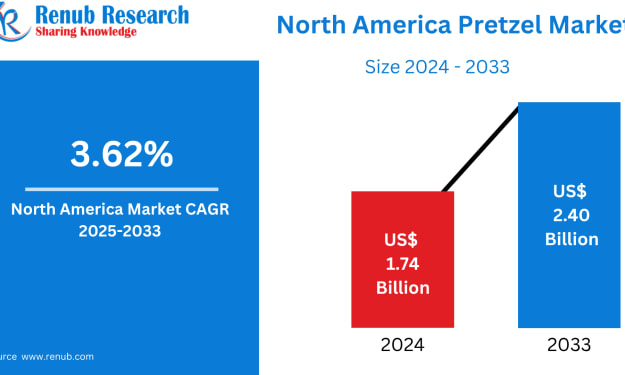
North America Pretzel Market Size and Forecast 2025–2033
The North America Pretzel Market is expected to reach US$ 2.40 billion by 2033, up from US$ 1.74 billion in 2024, expanding at a CAGR of 3.62% from 2025 to 2033, according to Renub Research. This steady growth reflects the enduring appeal of pretzels as a convenient snack, combined with evolving consumer preferences for healthier, premium, and flavor-forward food products.
By Marthan Sirabout 22 hours ago in Longevity
Day 4 of Quitting
If this is how sobriety feels, maybe it’s better to go through life a little buzzed… this, along with other hits like, I want to kill myself, I wish I was dead, and I’m going to throw myself off a bridge have been the only thoughts on rotation these past few days. I promise myself that if, in a month, I still feel like this (‘this’ meaning despondent, full of rage, and simultaneously numb) I can go back to smoking. Until mid-February though? Nicotine is off the table.
By sleepy drafts7 days ago in Longevity
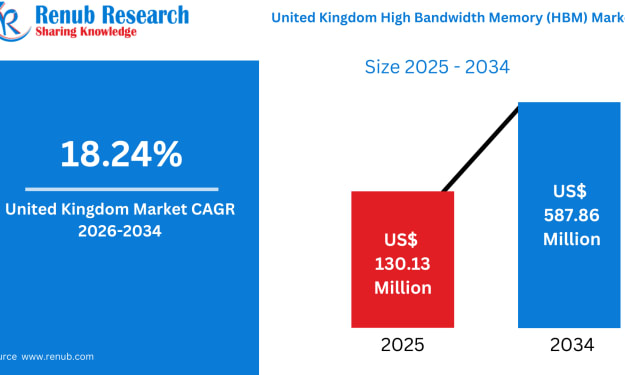
United Kingdom High Bandwidth Memory Market Size & Forecast 2026–2034
United Kingdom High Bandwidth Memory Market Outlook High Bandwidth Memory (HBM) represents a breakthrough in advanced computer memory architecture, delivering extremely high data transfer speeds by vertically stacking memory dies and placing them closer to processors such as GPUs, AI accelerators, and high-performance CPUs. This design drastically improves bandwidth, reduces latency, and enhances energy efficiency when compared to traditional DRAM. As computing workloads become increasingly complex, data-heavy, and parallel in nature, HBM has emerged as the backbone of modern high-performance computing (HPC), artificial intelligence (AI), advanced analytics, gaming graphics, and scientific simulations.
By Aaina Oberoi5 days ago in Longevity


Comments
There are no comments for this story
Be the first to respond and start the conversation.