
When Hormones Take the Wheel: Navigating the Challenges of Female Hormone Imbalance
Understanding the Causes and Symptoms of Hormone Imbalance in Women and How Stress Plays a Leading Role

Hormones are the hidden architects of health, quietly working in sync to regulate everything from mood and sleep to metabolism and fertility. But what happens when these silent controllers fall out of balance? For women, a hormone imbalance can bring waves of symptoms that touch nearly every aspect of life—physical, emotional, and reproductive. Understanding the roots of these imbalances and why they’re so common can shed light on the struggles many women face and help guide them toward finding peace and health once again.
One of the most striking triggers for hormone imbalance is stress, which affects the adrenal glands and hormones like cortisol, often resulting in a cascade of imbalance across the body. Whether you’re a teenager, a new mother, or navigating menopause, stress can amplify symptoms, and even slight hormone shifts can disrupt mood, sleep, and energy levels. In fact, up to 80 percent of women will experience hormone imbalance symptoms at some point, sometimes as early as their twenties or thirties.
The Silent Symptoms of Hormone Imbalance
Some of the most common symptoms of hormone imbalance often go unrecognized or are mistaken for signs of aging or other conditions. Many women may not realize that persistent symptoms like sleep problems, weight gain, or mood swings could be signals from their body that hormones are out of sync.
For instance, sleep disturbances may be linked to a drop in progesterone, a hormone responsible for promoting calm and restful sleep. When progesterone dips, insomnia or disrupted sleep patterns are common, and sleepless nights contribute to fatigue, further destabilizing hormone levels. Stubborn acne, especially cystic acne along the jawline, is another frequent sign, pointing to an increase in testosterone levels or imbalances in other androgens.
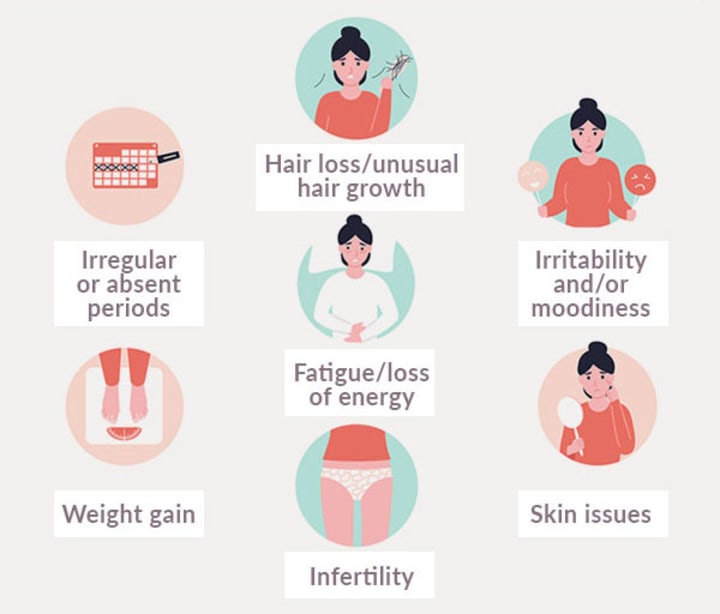
Brain fog and memory lapses are frequently chalked up to “just being stressed,” but they can also be a sign of low estrogen or high cortisol, the body’s stress hormone. Women may find it challenging to concentrate, feeling like their thoughts are scattered or that they’re constantly losing track of time and tasks. As estrogen levels fluctuate, this brain fog becomes more noticeable, particularly around menopause, but can happen anytime stress runs high.
Food cravings are another hidden sign. Craving sweets or salty snacks can indicate an imbalance that affects the adrenal glands and appetite-regulating hormones. Women who consistently reach for snacks when they’re tired or stressed may find themselves caught in a loop of unintentional weight gain.
The hormone imbalance symptoms don’t stop there. Fatigue, mood swings, and digestive issues also arise from fluctuating estrogen and progesterone levels. When these hormones drop or spike unexpectedly, the body’s normal digestive processes can become irregular, leading to symptoms like bloating, constipation, or even irritable bowel syndrome flare-ups. Meanwhile, anxiety, depression, and feelings of emotional instability are prevalent as serotonin (our “happy hormone”) production is affected by these imbalances.
Stress as a Root Cause
Why is stress such a critical factor? It’s all about the domino effect. When you’re stressed, your adrenal glands produce more cortisol. Elevated cortisol levels suppress other hormones, leading to a complex cycle of highs and lows. Your body, wired to “fight or flight,” directs energy toward coping with stress, which can leave other systems like reproductive health under-resourced.
This cycle creates a drain on hormones essential for energy, mood, and physical health. Imagine a car engine running on low oil—eventually, it will break down. Hormone imbalances are a signal that something is out of balance on a larger scale. Addressing stress, therefore, becomes essential not just for mental clarity but for restoring hormone equilibrium.
Specific Imbalance Symptoms
One particularly distressing symptom of hormone imbalance for many women is weight gain, especially around the abdomen. High estrogen or low progesterone can slow metabolism, making weight loss difficult, and cravings only add to the challenge. Unexplained weight gain in the belly area often indicates an imbalance between estrogen and progesterone or a cortisol level that remains high due to chronic stress.
Other symptoms include headaches and migraines during menstruation, due to shifting progesterone levels. Hot flashes and night sweats, commonly associated with menopause, may also be caused by an imbalance of estrogen and progesterone, or high cortisol levels.
The Effects on Relationships and Lifestyle
Hormone imbalances don’t just affect women physically; they also take a toll on relationships and self-confidence. For example, low estrogen can lead to vaginal dryness and decreased libido, both of which can interfere with intimacy. Pain during intercourse or breast tenderness from high estrogen levels can make physical closeness difficult, which may strain relationships and lead to frustration or sadness.
Women experiencing these symptoms often feel isolated, believing they’re alone in facing these challenges, yet hormone imbalances are common. Many women silently endure the physical and emotional turmoil, struggling to maintain the quality of life they once enjoyed. Friends and family might not fully understand, but the internal battle is real.
Finding Balance Again
Finding relief starts with recognizing hormone imbalance symptoms and understanding that they’re not a “normal” part of life. Seeking guidance from healthcare providers, prioritizing self-care, managing stress through mindfulness or relaxation techniques, and getting adequate sleep are all steps that can help restore hormone harmony.
Through informed lifestyle changes and the support of specialists, women can rediscover a path back to themselves. While it may take time and patience, restoring balance can mean regaining not only physical health but emotional resilience and clarity. After all, our hormones don’t define us, but they do play a significant role in how we navigate life’s journey.
About the Creator
mureed hussain
Hi, I’m a creative writer passionate about health & wellness, love, longevity, aging, and pet care. With extensive Quora experience, I craft engaging posts, thoughtful questions, and insightful answers.
Find me at>>[email protected]
Keep reading
More stories from mureed hussain and writers in Longevity and other communities.
The Secret to Fast Weight Loss: Why Exercise Alone Isn’t Enough
Many people believe that simply hitting the gym consistently will bring quick weight loss results. However, if you’ve been exercising regularly but still struggle to shed those extra pounds, it’s time to rethink your approach. Exercise is indeed vital for a healthy lifestyle, but on its own, it isn’t the fastest route to weight loss. Here’s why achieving a “fat-burning mode” is essential—and how combining exercise with the right diet can truly transform your weight loss journey.
By mureed hussainabout a year ago in Longevity
Microsoft's Purposeful Marketing Deception About AI's Ability To Beat Physicians In Diagnosis
When you look at the world of scientific research... If you are not careful... You will be fooled into believing things that are not actually supported by the data.
By Dr. Cody Dakota Wooten, DFM, DHM, DAS (hc)a day ago in Longevity
The Strange Reason Japanese People Stay Fit Without Ever Going To The Gym
When you think about fitness, images of clanging dumbbells, spinning classes, and high‑intensity workouts probably come to mind. In Japan, however, the story of health and longevity looks very different. Yes, Japan consistently ranks near the top of global life expectancy charts — but the secret isn’t found in flashy fitness studios. Instead, it’s woven into everyday life: in habits, culture, community, and small daily movements that add up.
By Zakir Ullah6 days ago in Longevity
Sometimes It's Like That and That'sThe Way It Is
It was the late 1960s, and ten-year-old Gloria Coleman was standing with her grandmother on the side of the highway waiting for the bus. As the Greyhound pulled up, it seemed monstrous and intimidating. Grandma Elizabeth grabbed Gloria's hand, holding it tightly as they boarded.
By Cheryl E Preston3 days ago in Fiction




Comments (1)
"Your positivity is contagious, and your energy is simply uplifting!"