
When Footwear Interferes With Balance: The Sensory Side of Stability
How sensory input, proprioception, and nervous system feedback shape the way we move

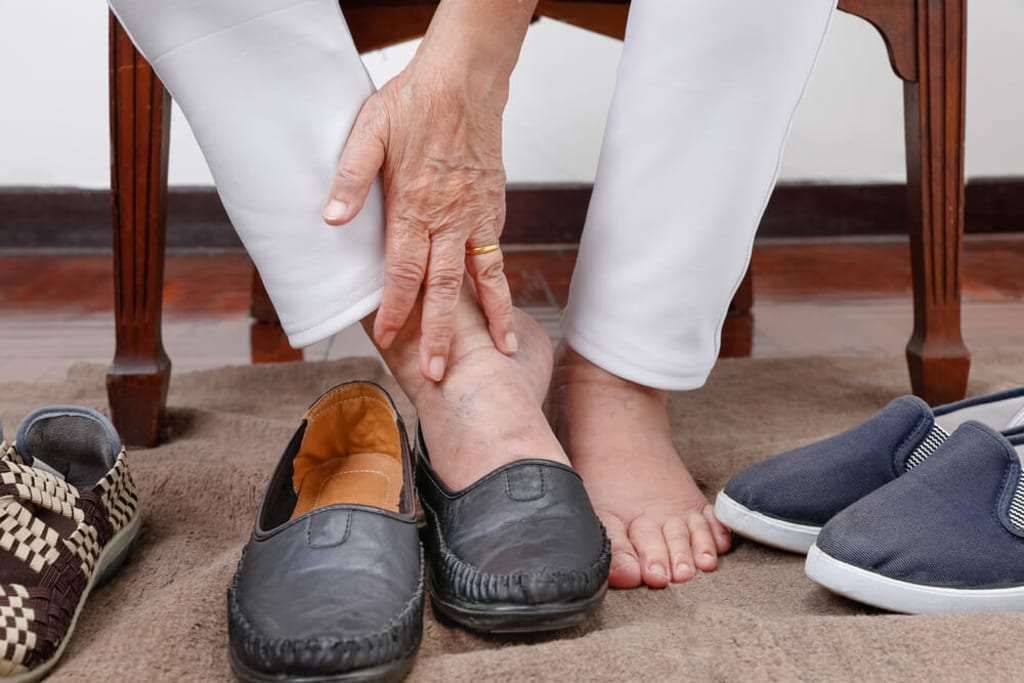
Balance is often treated as a physical ability—something improved through strength or flexibility. But long before muscles react, balance is guided by information. Specifically, it depends on sensory input traveling from the feet through the nervous system to the brain.
Every step you take relies on this communication. When the signals are clear, movement feels effortless. When they’re muted or delayed, balance issues can develop gradually, often without a clear cause.
One factor that frequently goes unnoticed in this process is footwear.
The Feet as Sensory Organs
The feet are not passive structures. They are highly sensitive sensory organs, equipped with thousands of receptors that detect pressure, texture, vibration, and joint position. These receptors play a key role in proprioception, the sense that allows you to know where your body is in space without looking.
Proprioception helps regulate posture, walking rhythm, and the ability to adapt to uneven ground. It allows the body to make constant, automatic corrections to stay upright.
When sensory information from the feet is reduced, the brain has less data to work with, and balance becomes more dependent on vision or conscious effort.
How Shoes Can Alter Sensory Input
Modern footwear is often designed for comfort and protection, using thick soles and cushioned materials to absorb impact. While this can reduce strain on joints, it can also interfere with sensory input from the feet.
Cushioning absorbs pressure before it reaches sensory receptors, limiting the amount of information sent through the nervous system. Over time, this can dull proprioceptive awareness, making it harder for the body to detect subtle shifts in position.
This sensory dampening doesn’t cause immediate instability, but it can contribute to slower balance reactions and reduced confidence during movement.
The Link Between Foot Numbness and Balance
Foot numbness is commonly associated with circulation or nerve conditions, but it can also reflect reduced sensory engagement. When the feet experience limited variation in texture and pressure, sensory receptors may become less responsive.
This doesn’t always result in complete numbness, but it can create a muted or delayed sense of contact with the ground. When the brain receives weaker signals, balance adjustments may lag behind movement, increasing the risk of missteps.
For individuals already dealing with balance issues, reduced foot sensation can compound the problem.
The Nervous System and Movement Adaptability
The nervous system is highly adaptable, but it requires consistent input to stay responsive. When sensory signals are limited—whether due to inactivity, repetitive movement, or constant footwear use—the system becomes less efficient at processing change.
This can affect:
Reaction speed
Postural control
Coordination during transitions
Confidence while walking
The result is often a cautious or stiff movement pattern, where the body compensates for uncertainty rather than responding naturally.
Balance as a Sensory Skill
Balance is not a single ability but a sensory skill that develops through feedback. Strength and flexibility support balance, but they don’t replace the need for accurate sensory information.
People sometimes increase exercise intensity to address balance problems, only to find limited improvement. Without restoring proprioceptive feedback, the nervous system lacks the clarity it needs to guide movement effectively.
Re-engaging sensory input allows balance to improve from the inside out.
Restoring Sensory Awareness Without Removing Shoes
Improving sensory engagement doesn’t require eliminating footwear entirely. Instead, it involves creating opportunities for the feet to receive varied input.
Simple practices include:
Standing barefoot indoors on safe surfaces
Walking slowly and noticing foot contact
Using textured mats or surfaces for standing
Alternating footwear styles rather than wearing the same shoes daily
These small changes increase sensory variety and help maintain proprioceptive responsiveness.
Why Subtle Changes Matter
The nervous system responds best to gradual, consistent stimulation. Even brief periods of enhanced sensory input can help improve balance awareness over time.
As sensory clarity improves, people often notice smoother transitions, more stable walking patterns, and reduced hesitation during movement. These changes are subtle but meaningful, especially for those concerned about long-term stability.
Rethinking Balance Support
Instead of viewing balance issues as purely mechanical problems, it’s helpful to consider the sensory systems involved. Footwear choices, movement habits, and sensory exposure all influence how the body interprets and responds to movement.
By understanding how sensory input and proprioception work together, individuals can take a more informed approach to supporting balance and stability.
Conclusion
Balance depends on more than strength—it relies on communication between the feet and the brain. When sensory input is reduced, the nervous system has fewer signals to guide movement, increasing the likelihood of balance issues and uncertainty.
Recognizing the role of footwear, sensory awareness, and proprioception offers a clearer picture of how balance functions in everyday life. With thoughtful attention to how the feet interact with the ground, stability can be supported in a way that feels natural, sustainable, and responsive to the body’s needs.
About the Creator
AhmedFitLife
Helping You Reclaim Balance, Energy & Focus Naturally
Hi, I’m Ahmed, Discover Neuro-Balance Therapy! 🌿 Reduce stress, boost focus, and restore balance with this easy, guided tool. Feel better, naturally: Neuro-Balance Therapy
Keep reading
More stories from AhmedFitLife and writers in Longevity and other communities.
Day 4 of Quitting
If this is how sobriety feels, maybe it’s better to go through life a little buzzed… this, along with other hits like, I want to kill myself, I wish I was dead, and I’m going to throw myself off a bridge have been the only thoughts on rotation these past few days. I promise myself that if, in a month, I still feel like this (‘this’ meaning despondent, full of rage, and simultaneously numb) I can go back to smoking. Until mid-February though? Nicotine is off the table.
By sleepy drafts22 days ago in Longevity


Comments
There are no comments for this story
Be the first to respond and start the conversation.