
What is NAD+ and Why Does It Matter for Your Health?
The Science Behind Energy, Longevity, and Cognitive Function
Introduction
Ever wonder why some people stay energetic and sharp as they age, while others struggle with fatigue and brain fog? The answer may lie in NAD+ (nicotinamide adenine dinucleotide)—a vital coenzyme found in every living cell.
NAD+ plays a critical role in energy production, DNA repair, and brain function. However, as we age, NAD+ levels naturally decline, potentially contributing to fatigue, slower metabolism, and cognitive decline.
This article explores:
✔️ What NAD+ is and why it’s essential for your health
✔️ The impact of declining NAD+ levels
✔️ Science-backed ways to naturally boost NAD+
If you want to enhance energy, brain function, and longevity, understanding NAD+ is key.
What is NAD+ and why is it important?
NAD+ is a coenzyme found in every cell of the human body, essential for multiple biological processes. Think of it as a cellular power source—without it, your body can’t efficiently create energy or repair itself.
🔹 The Role of NAD+ in the Body
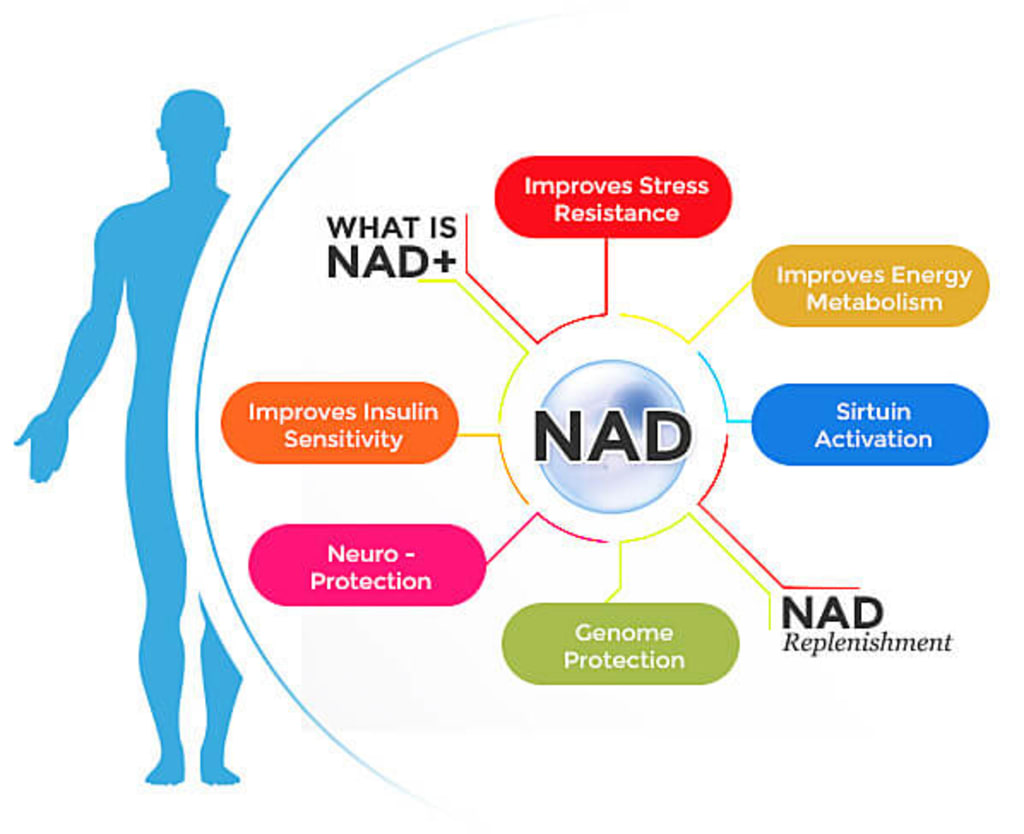
NAD+ plays a crucial role in
✔️ Energy Production: Helps convert food into ATP (the body’s energy currency).
✔️ DNA Repair: Supports cellular health and longevity.
✔️ Brain Function: Aids neurotransmitter activity and cognitive processing.
✔️ Metabolism & Healthy Aging: Regulates metabolic efficiency and inflammation.
Without enough NAD+, our cells struggle to function properly, leading to fatigue, brain fog, and premature aging.
Why Do NAD+ Levels Decline with Age?
Research suggests that NAD+ levels decrease by up to 50% by middle age and continue declining as we get older. Several factors contribute to this, including
❌ Oxidative Stress—Free radicals damage cells, increasing NAD+ consumption.
❌ Poor Diet & Lifestyle – Processed foods, alcohol, and lack of exercise deplete NAD+.
❌ Aging & Chronic Stress – Naturally lower NAD+ production over time.
As NAD+ declines, people often notice:
⚡ Lower energy levels and persistent fatigue
🧠 Reduced cognitive function, including forgetfulness
🔥 Slower metabolism, leading to weight gain
The good news? There are natural ways to restore and maintain optimal NAD+ levels.
How to Naturally Increase NAD+ Levels
If you want to optimize your NAD+ levels, here are science-backed strategies:
✅ 1. Exercise Regularly
Studies show that high-intensity interval training (HIIT) and strength training can naturally boost NAD+ levels by activating longevity-related genes.
✅ 2. Try Intermittent Fasting
Fasting triggers autophagy (cellular clean-up), which helps replenish NAD+ and remove damaged cells.
✅ 3. Eat NAD+ Precursors
Certain foods contain NAD+ building blocks (vitamin B3, tryptophan, and polyphenols). Include:
🥑 Avocados
🐟 Salmon
🍄 Mushrooms
🍇 Grapes
✅ 4. Reduce Processed Foods & Alcohol
These deplete NAD+ levels and accelerate oxidative stress. Stick to a whole-food diet to maintain optimal cellular function.
Can Supplements Help Restore NAD+ Levels?
Many people turn to NAD+ precursors like nicotinamide riboside (NR) and nicotinamide mononucleotide (NMN) to support cellular energy. Some studies suggest these supplements can:
✔️ Enhance mitochondrial function (improving energy and metabolism).
✔️ Support brain health (boosting focus and memory).
✔️ Promote healthy aging (by activating longevity-related pathways).
While diet and lifestyle are the foundation, supplementation may offer additional support.
If you’re interested in learning more about NAD+ and its role in longevity, check out this in-depth article on NAD+ research.
Final Thoughts: Why Optimizing NAD+ Matters
NAD+ is crucial for cellular energy, cognitive function, and healthy aging. As levels decline with age, it’s important to adopt lifestyle habits that support NAD+ production.
Key Takeaways:
✔ NAD+ fuels energy, brain health, and DNA repair.
✔ Aging, stress, and poor diet deplete NAD+ levels.
✔ Exercise, fasting, and NAD+ precursors can help replenish it.
💡 Prioritizing NAD+ health can lead to more energy, better brain function, and overall vitality.
Have you tried any NAD+ boosting strategies? Share your experience in the comments!
About the Creator
Keep reading
More stories from writers in Longevity and other communities.
Day 4 of Quitting
If this is how sobriety feels, maybe it’s better to go through life a little buzzed… this, along with other hits like, I want to kill myself, I wish I was dead, and I’m going to throw myself off a bridge have been the only thoughts on rotation these past few days. I promise myself that if, in a month, I still feel like this (‘this’ meaning despondent, full of rage, and simultaneously numb) I can go back to smoking. Until mid-February though? Nicotine is off the table.
By sleepy drafts15 days ago in Longevity
Official and Confirmed: Heavy Snow Is Set to Begin Late Tonight, With Weather Alerts Warning of Major Disruptions
Weather officials have issued official and confirmed alerts warning that heavy snow will begin late tonight, bringing the risk of travel chaos, power outages, and dangerous conditions. The approaching system is expected to affect large areas, with forecasters urging residents to prepare now before conditions rapidly worsen. Authorities stress that this is not a routine winter storm. The combination of heavy snowfall, strong winds, and freezing temperatures could create serious problems for transportation, emergency services, and daily life. What We Know So Far According to weather agencies, snowfall is expected to start late tonight, intensifying overnight and continuing into the next day. Some regions could see several inches of snow in a short time, while higher elevations may receive even more. Key concerns include: Rapid accumulation making roads impassable Reduced visibility due to blowing snow Ice forming beneath fresh snowfall Sub-zero wind chills increasing the risk of frostbite Meteorologists have described this event as high-impact, meaning it has the potential to disrupt normal activities on a wide scale. Travel Disruptions and Road Safety Risks One of the biggest warnings centers on travel conditions. Snow-covered roads, black ice, and whiteout conditions could make driving extremely dangerous. Transportation officials are advising: Avoid non-essential travel once snow begins Expect highway closures and major delays Allow extra time if travel is unavoidable Keep emergency supplies in vehicles Airports may also face flight delays and cancellations, especially if snow accumulates faster than plows can clear runways. Rail services and public transportation systems could be slowed or suspended in the worst-hit areas. Power Outages and Infrastructure Strain Heavy snow combined with gusty winds raises the risk of power outages. Snow-laden tree branches can snap and fall onto power lines, while ice buildup can damage infrastructure. Utility companies are preparing for: Downed power lines Temporary service interruptions Increased demand for heating Residents are encouraged to: Charge phones and backup batteries Have flashlights ready Avoid using generators indoors Check heating systems in advance Even short outages can be dangerous during extreme cold, especially for elderly residents and families with young children. Schools, Businesses, and Public Services Affected Local authorities are closely monitoring conditions, with school closures and remote learning likely in some areas. Businesses may also delay opening hours or close entirely if travel becomes unsafe. Emergency services are preparing for: Increased accident calls Weather-related medical emergencies Delays in reaching rural or hard-to-access areas Officials stress that staying off the roads helps emergency responders reach those who truly need assistance. Dangerous Cold and Health Risks Beyond the snow itself, dangerously cold temperatures are another major concern. Wind chills could make it feel far colder than the actual temperature, increasing the risk of: Frostbite Hypothermia Slips and falls on icy surfaces Health experts recommend: Dressing in layers Covering exposed skin Limiting time outdoors Checking on vulnerable neighbors Pets should also be kept indoors whenever possible, as extreme cold can be life-threatening. Why This Storm Is So Serious What makes this storm especially dangerous is the timing and intensity. Snow arriving overnight gives road crews less time to prepare, and early-morning commuters may encounter hazardous conditions before clearing efforts are complete. Forecasters also warn that: Snow may fall faster than plows can keep up Winds could cause drifting and re-cover cleared roads Temperatures will remain low, preventing melting This combination increases the likelihood of prolonged disruption, even after snowfall slows. How to Prepare Before the Snow Begins Officials urge residents to take action before nightfall. Preparation now can prevent serious problems later. Recommended steps include: Stocking up on food, water, and medications Filling vehicles with fuel Securing outdoor items Checking weather updates regularly Planning to stay home if possible Simple steps can make a major difference when conditions deteriorate quickly. Stay Informed and Follow Official Guidance Weather alerts may be updated or expanded as the storm develops. Authorities recommend relying on: Official weather services Local emergency management updates Trusted news sources Ignoring warnings can put lives at risk. Even experienced winter drivers can be caught off guard by rapidly changing conditions. Final Thoughts With heavy snow officially confirmed to begin late tonight, the message from officials is clear: prepare now and take warnings seriously. This storm has the potential to disrupt travel, strain infrastructure, and create dangerous conditions across wide areas. Staying informed, avoiding unnecessary travel, and looking out for one another will be key to getting through the storm safely. Winter weather can be unpredictable, but early preparation and caution can help reduce its impact. As conditions worsen, safety—not speed or convenience—should be the top priority.
By Fiaz Ahmed about 15 hours ago in Longevity




Comments
There are no comments for this story
Be the first to respond and start the conversation.