
What Does "Zero Drop" Mean, and Why Does It Matter?
Zero Drop Shoes: Unlocking the Secret to Natural Movement and Better Foot Health!!!


If you've recently dipped your toes into the world of minimalist shoes, you may have come across the term "zero drop" being tossed around like a new trendy catchphrase. And let’s be real—when you’re already trying to make sense of terms like “barefoot running” and “minimalist shoes,” the last thing you want is another phrase that sounds like it belongs in a physics textbook. So, what exactly is "zero drop," and why does it matter? Let’s unpack this in a way that won’t leave you scratching your head (or your shoes).
First Things First: The Basics of Zero Drop
When someone talks about a shoe being "zero drop," they're referring to the height difference between the heel and the toe. In a shoe with a traditional design, the heel is typically elevated compared to the toe. This is what’s known as a "positive drop," and it’s the design used in most conventional running shoes. The heel-to-toe height difference often ranges from 8mm to 12mm or even more, depending on the brand and model.
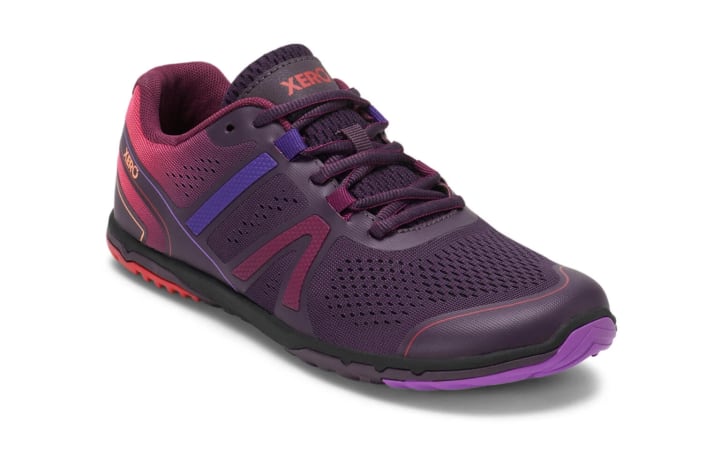
Now, here comes the zero-drop part: in a zero-drop shoe, the height of the heel is the same as the height of the toe. It’s a flat, level platform that mimics the natural alignment of your foot when you’re standing barefoot. There’s no extra cushion under your heel to artificially tilt you forward.
In short, zero drop means a shoe that keeps your body in a neutral, natural position.

The Historical Context: Why Did Shoes Have a Heel in the First Place?
Now that we’ve got the technical stuff out of the way, you might be asking, "Okay, but why did we even need shoes with heels in the first place?" Great question!!! The answer is partly due to fashion (looking at you, high heels), and partly due to modern shoe design catering to specific needs—mainly to provide extra cushioning and support for a variety of activities, including running, walking, and just plain old standing for long hours. Over time, the shoes we wear became more about providing comfort and correction, not necessarily mimicking the natural alignment of our feet.
While this approach worked well for certain activities, it wasn't necessarily optimal for our health. The traditional elevated-heel design began to change the way people walked, ran, and even stood, putting extra stress on the knees, hips, and lower back. Enter the minimalist shoe movement, which is all about stripping away the excess and getting back to basics—starting with a zero-drop design.
Why Does Zero Drop Matter?
1. It Encourages Natural Foot Mechanics
When you wear a shoe with a positive drop (heel elevated), your body is essentially tilted forward. This can change your gait and posture, potentially causing issues like over-striding or landing on your heel instead of the midfoot. Over time, this might lead to injuries or discomfort, especially in your knees and hips.
Zero-drop shoes, on the other hand, encourage a more natural gait by keeping your foot in alignment with your leg. Without that heel-to-toe drop, you're more likely to land with a midfoot or forefoot strike, which is what our bodies were built to do. It allows for a more natural running or walking experience, just like if you were barefoot (but with a bit of protection).

2. It Strengthens Your Feet and Lower Legs
If you’ve ever spent a day barefoot or in minimalist shoes, you might have noticed your calves and feet feeling a little sore. That’s because they’re doing more work than they would in traditional, cushioned shoes. And that’s a good thing!!!
Zero-drop shoes don’t offer the excessive cushioning or arch support that traditional shoes do, which means your feet and lower legs are forced to do more of the work to stabilize your body as you walk or run. This encourages your foot muscles to get stronger over time, much like how weight training strengthens your muscles. It can help improve foot stability, reduce foot fatigue, and even alleviate problems like flat feet or plantar fasciitis when done gradually.
3. Helps with Posture and Alignment
One of the biggest benefits of a zero-drop shoe is its potential to improve overall posture. With your feet and body in a more neutral position, your spine can stay more aligned as you move, which could have positive ripple effects all the way up to your neck and shoulders. Think of it as a small but significant tweak that helps you stand taller, feel more balanced, and maybe even walk with a little more confidence. Plus, zero-drop shoes are often lighter and more flexible, which allows for a more natural stride.

4. A More Natural Running Experience
For those who like to run (or are just looking for an excuse to buy another pair of shoes), zero-drop shoes can help make your running experience feel more natural. Since the drop is neutral, it’s easier to land midfoot or forefoot, which some runners find reduces the impact on their joints and prevents common running injuries like shin splints and runner’s knee.
With zero-drop shoes, your foot is closer to the ground, allowing for better ground feel and responsiveness. Some runners even argue that it feels more like running barefoot—without all the risk of stepping on something sharp. However, it’s important to note that making the transition to minimalist running should be done gradually. Your feet and legs will need time to adjust to the new mechanics. Trust us, your calves will thank you if you ease into it slowly.
Who Should Wear Zero-Drop Shoes?
Zero-drop shoes can benefit most people, but they might not be for everyone. If you’ve got specific foot conditions or severe arch issues, you might want to talk to a specialist before making the switch. However, if you’re looking to build strength in your feet, encourage better posture, or just enjoy a more natural walking or running experience, zero-drop shoes could be a great choice.
The Bottom Line: Is Zero Drop Right for You?
So, does zero drop really matter? For a lot of people, yes!!! Zero-drop shoes provide a simple but powerful way to return to a more natural, neutral foot position that benefits both your feet and your overall posture. However, like any change to your footwear, it’s important to take it slow and make sure your body adjusts properly.
Remember, shoes aren’t one-size-fits-all, so you might have to try a few pairs to find what works best for you. But once you make the switch, you’ll likely notice a world of difference in how you move—and how your feet feel at the end of the day.
In the end, zero drop is all about embracing simplicity and going back to what nature intended. It’s not about a gimmick or trend—it’s about honoring the way your body was designed to move.
Happy running (or walking, or lounging in your minimalist shoes), My friends!!!
Thank you 🙏
Future of Resilience
About the Creator
Future of Resilience
I enjoy writing book and product review, relationship and parenting blogs. I hope you enjoy my writing. Happy Reading!
Keep reading
More stories from Future of Resilience and writers in Longevity and other communities.
Top 10 Best Foods to Include in Your Clean Eating Plan (Plus a Bonus: Meal Kits!!!)
When people talk about clean eating, it often sounds like some kind of exclusive club with rules that might seem hard to follow. But let’s break it down—clean eating simply means focusing on whole, unprocessed foods and steering clear of anything too “extra” (like artificial sweeteners, preservatives, or those mystery ingredients you can’t pronounce).
By Future of Resilience about a year ago in Longevity
Early Warning Signs: Minor Symptoms That Evolve Into Chronic Pain
Most people dismiss minor aches and stiffness as temporary inconveniences or inevitable parts of aging. However, medical experts across multiple specialties warn that these seemingly insignificant symptoms often serve as early warning signs of chronic pain conditions that become far more difficult and expensive to treat once they progress. Understanding which minor symptoms deserve immediate attention can prevent years of unnecessary suffering and disability.
By Tim Clarke4 days ago in Longevity
How to Get Through the Rest of Winter
As winter stretches into its final months, many people are feeling the weight of cold, short days, and the cumulative fatigue of months spent indoors. With snowstorms, icy roads, and flu season still looming, navigating the remainder of winter requires both practical preparation and attention to mental well-being. Experts emphasize a combination of physical readiness, home safety, and emotional resilience as key to getting through the season unscathed. 1. Stay Physically Prepared Winter weather can present unexpected hazards, from icy sidewalks to sudden snowstorms. Health experts recommend: Layering clothing effectively: Thermal base layers, windproof jackets, gloves, and insulated boots can prevent hypothermia and frostbite. Wool and synthetic fabrics trap heat even when damp. Regular exercise: Even short daily walks or home workouts improve circulation and boost immunity. Indoor exercises like yoga or resistance training also combat seasonal lethargy. Vitamin D supplementation: Reduced sunlight in winter can affect mood and bone health. Supplements or fortified foods can help maintain energy and immune function. Additionally, drivers are advised to check car winterization, including tire tread, antifreeze levels, and battery health. Winter storms can immobilize vehicles, so a small emergency kit with blankets, food, water, and a flashlight is recommended. 2. Protect Your Home Many winter accidents occur at home, where icy entryways and faulty heating can pose risks. Key tips include: Heating system maintenance: Ensure furnaces, wood stoves, or space heaters are serviced and vented correctly to prevent fire or carbon monoxide exposure. Ice and snow management: Keep driveways and sidewalks clear using salt or sand. Even short walks on untreated surfaces can lead to serious injury. Emergency supplies: Power outages are common during snowstorms. Stock up on non-perishable foods, bottled water, batteries, and candles. Home preparation reduces stress and ensures safety when outdoor conditions worsen unexpectedly. 3. Mind Your Mental Health The “winter blues” or seasonal affective disorder (SAD) can affect mood and energy. Strategies to support mental well-being include: Light therapy: Sitting near a bright, full-spectrum light for 20–30 minutes daily can help combat low moods. Structured routines: Maintaining consistent sleep, work, and meal schedules supports circadian rhythms and reduces fatigue. Social connection: Even brief check-ins with friends or family over video or phone help maintain emotional health during extended indoor periods. Experts also recommend mindfulness exercises and journaling as ways to reduce stress and promote positivity. 4. Prepare for Flu and Cold Season With influenza, colds, and now seasonal COVID‑19 variants circulating, preventive health measures are critical: Vaccinations: Annual flu shots and updated COVID-19 boosters are recommended, especially for vulnerable populations. Hygiene: Frequent handwashing and avoiding touching the face can reduce viral spread. Rest and nutrition: Adequate sleep, hydration, and a diet rich in fruits, vegetables, and protein support immune defenses. 5. Plan for Winter Fun While safety and health are priorities, enjoying the season can make it more bearable. Outdoor activities like skiing, snowshoeing, or ice skating provide exercise and sunlight. Indoor hobbies, from cooking to reading or crafting, help stave off boredom. Planning small weekly treats — whether a cozy movie night or a warm bath — can bolster morale. 6. Stay Informed Finally, staying aware of weather forecasts and public safety advisories helps people anticipate storms and avoid unnecessary risks. Local authorities often issue warnings about ice, snow accumulation, and road closures, giving households time to plan accordingly. Conclusion Winter can feel long and arduous, but with physical preparedness, home safety measures, mental health strategies, and proactive health steps, it is possible to navigate the remaining months successfully. Planning for both expected challenges and opportunities for enjoyment ensures not just survival, but a season that can be manageable, productive, and even pleasurable.
By Fiaz Ahmed 6 days ago in Longevity


Comments (2)
may be Vocal can start a new community- advertising are us
What a good scientific product review of this tennis shoe. Good job.