
Turmeric spice, medicinal and its hidden Secrets
Use as tea, soup and seasoning
When I was young, I used to play into my parents’ garden. One day I uprooted a yellow –orange root that I did not know whether, it was my father’s favorite spice. I started playing with it around. Suddenly my father came back from work, and found me playing around with it and all my fingers turned orange. So he asked me “Son what happen here?” I said it’s Ok,” But he was a bit skeptical. He went to the garden and found out that one of his turmeric plant was uprooted and that was the one I was holding in my left hand. He put up his head and said, “Son this was my important plant. Do not uproot it again ok!” As I grow up I came to realize that my dad was right. The plant is vital for our health.
Imagine a spice that not only paints our dishes with a golden orange in color but also boasts a fortune of health benefits and the wonderful prospect of cultivating it in your very own backyard garden.
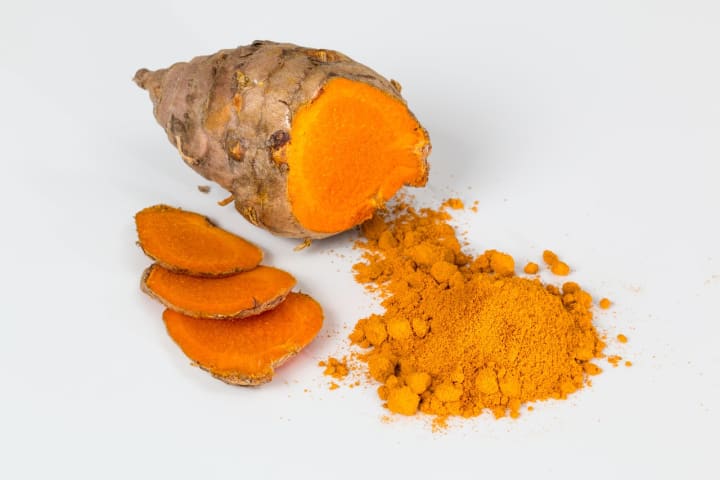
Turmeric (Curcuma longa) is a perennial flowering plant belonging to the ginger family. Its most prized possession is the rhizome, a knobby, orange-golden root that forms the heart of this treasure. When sliced or dried, this rhizome is ground into the vibrant yellow powder that has been spicing up kitchens and infusing dishes with both color and flavor for centuries.
How Turmeric Grows
Cultivating turmeric is a rewarding specie that starts with planting the rhizomes. These rhizomes are ideally planted in spring, when the soil is warm and the threat of frost has passed. The process is akin to planting potatoes—select pieces with several buds or "eyes" and bury them about 2-4 inches deep in well-drained soil. I used to observe my dad doing the same thing back in 1999, though I was not aware of what exactly was doing.
Turmeric thrives in tropical and subtropical climates, requiring ample sunlight and regular watering. Apart from tropical can be grown on your backyard garden in North America and Europe. The plant's leaves are broad, lush, and vibrant green, forming an elegant backdrop for the striking blossoms that can appear in shades of white, pink, or pale yellow. As the plant matures, it's not just the leaves that capture attention—the rhizomes beneath the soil steadily grow, transforming into the prized gold that lies beneath.
How long to its Maturity
From planting to harvest is a testament to patience and anticipation. Turmeric takes its time to mature, requiring about 8 to 10 months to develop its rhizomes to full glory. As you watch the leaves sway in the breeze and the plant grows taller, you'll know that beneath the soil, the rhizomes are growing plump with goodness, ready to be unearthed.
From Garden to Plate:
The true magic of turmeric lies not just in its growth but in the transformation it undergoes from garden to plate. The vibrant rhizomes are carefully dug up, cleaned, and dried. Once dried, they're ground into the golden powder that holds the essence of this enchanting spice.
Now, here's the exciting part—bringing the magic of turmeric to your own backyard. With a bit of care, patience, and love for gardening, you can cultivate this golden plant in your garden. Imagine stepping outside and plucking fresh turmeric rhizomes that you nurtured yourself. The pride and satisfaction of adding homegrown turmeric to your culinary creations is truly unmatched.
So, if you consider your garden's potential, let the idea of growing your own turmeric take root. Take the opportunity to nurture, cultivate, and reap the golden rewards.
Meeting the experts and learn more about it
As I researched into the turmeric plant, I sought the insight of experts to understand its true potential. Dr. Emily Carter, a seasoned nutritionist, shared her insights, stating, "Turmeric's active compound, curcumin, boasts powerful anti-inflammatory and antioxidant properties. Incorporating turmeric into your diet may contribute to reducing chronic inflammation, a common precursor to various ailments."
Renowned dietitian Sarah Roberts emphasized the spice's versatility. "Turmeric can be integrated into countless recipes, making it an accessible way to harness its health benefits. It's a staple in my recommendations for clients seeking to enhance their well-being naturally."
My exploration didn't stop with expert opinions. I reached out to people who had experienced the benefits of turmeric firsthand. Michael, a fitness enthusiast, shared, "Turmeric has become my post-workout secret. Its anti-inflammatory properties help alleviate muscle soreness, enabling me to recover faster and train harder."
The transformative power of turmeric extended to the realm of chronic conditions. Jane, who battled arthritis for years, spoke of her journey. "Turmeric brought relief when traditional medications fell short. It's become a vital part of my daily routine, offering me a level of mobility I never thought possible."
Turmeric in recipes
The magic of turmeric lies in its ability to be seamlessly integrated into various recipes. Here's how you can harness its goodness through three delightful recipes
1. Turmeric Powder: how to make powder
Making your turmeric powder is simple and rewarding. First and foremost, begin by selecting high-quality turmeric roots. Select the one that is not damaged or does not have black or spots. Wash and peel them, then slice into thin pieces. Place the slices in a dehydrator until they are thoroughly dried. Grind the dried slices into a fine powder using a spice grinder or mortar and pestle. The result is a vibrant, aromatic turmeric powder ready to infuse into your culinary creations. My mom, liked to make turmeric and ginger tea, the season the turmeric on our weekend veggie soup. I really liked it.
2. Turmeric Tea: recipe
Turmeric tea, often referred to as "golden milk," is a soothing elixir celebrated for its health-enhancing properties. To prepare, heat a cup of your milk of choice—be it dairy or plant-based. Add a teaspoon of turmeric powder, a pinch of black pepper (to enhance curcumin absorption), a dash of cinnamon, and a drizzle of honey. Simmer the mixture while stirring, and voilà—a cup of warmth brimming with anti-inflammatory wonders.
3. Turmeric Soup: Recipe
For a nourishing experience, try a turmeric-infused soup. Begin by chopping onions, garlic, and your favorite vegetables in a pot. Add vegetable or chicken broth and bring to a gentle boil. Sprinkle in turmeric powder, ground ginger, and a touch of cayenne for a gentle kick. Allow the flavors to meld as the soup simmers. The result will be a wonderful soup aroma with comfort that not only warms your soul but also creates a good healthy atmosphere around your home.
About the Creator
Cyri K Mababu
Hi! Welcome! I'm Cyri a freelancer, passionate to delivering insightful information on health, arts and designs. Please do not forget to subscribe my stories. Give me a hand to keep me and my reseach alive. you will always be informed.
Keep reading
More stories from Cyri K Mababu and writers in Longevity and other communities.
5 Years of Flavorful Herbal Tea that made our family free from depression.
Herbal tea has been a cornerstone of my family's daily routine for the past five years. I just want to share some of our favorite recipes, cherished moments, and the heartwarming stories that have made our family get a rid of anxiety and depression the easy way for the past of 5 years.
By Cyri K Mababu3 years ago in Longevity
The Connection Between ADHD and Genetics.
Commentary An Impulsive Gene? My youngest son jumps from one task to another. Ask him to clean his room, he eventually quits because he becomes fixated on something. He can’t sit still for long. On the other hand, when he’s doing something he likes, he is fixated on it, sometimes barely taking in his surroundings or listening to others.
By Dean Traylor3 days ago in Longevity
A More Human Vocal
When we launched Vocal nearly a decade ago, the world was a very different place. LLMs did not exist, and stories were created one at a time by people sitting down to write, revise, and share something personal. Many of our assumptions about publishing, trust, and participation were built for a world where effort and output were inseparable.
By Justin @ Vocal5 days ago in Resources



Comments
There are no comments for this story
Be the first to respond and start the conversation.