
Top 10 Fermented Foods to Improve Gut Health Naturally
Discover the Best Natural Fermented Foods to Support Digestion, Boost Immunity, and Balance Your Gut Microbiome

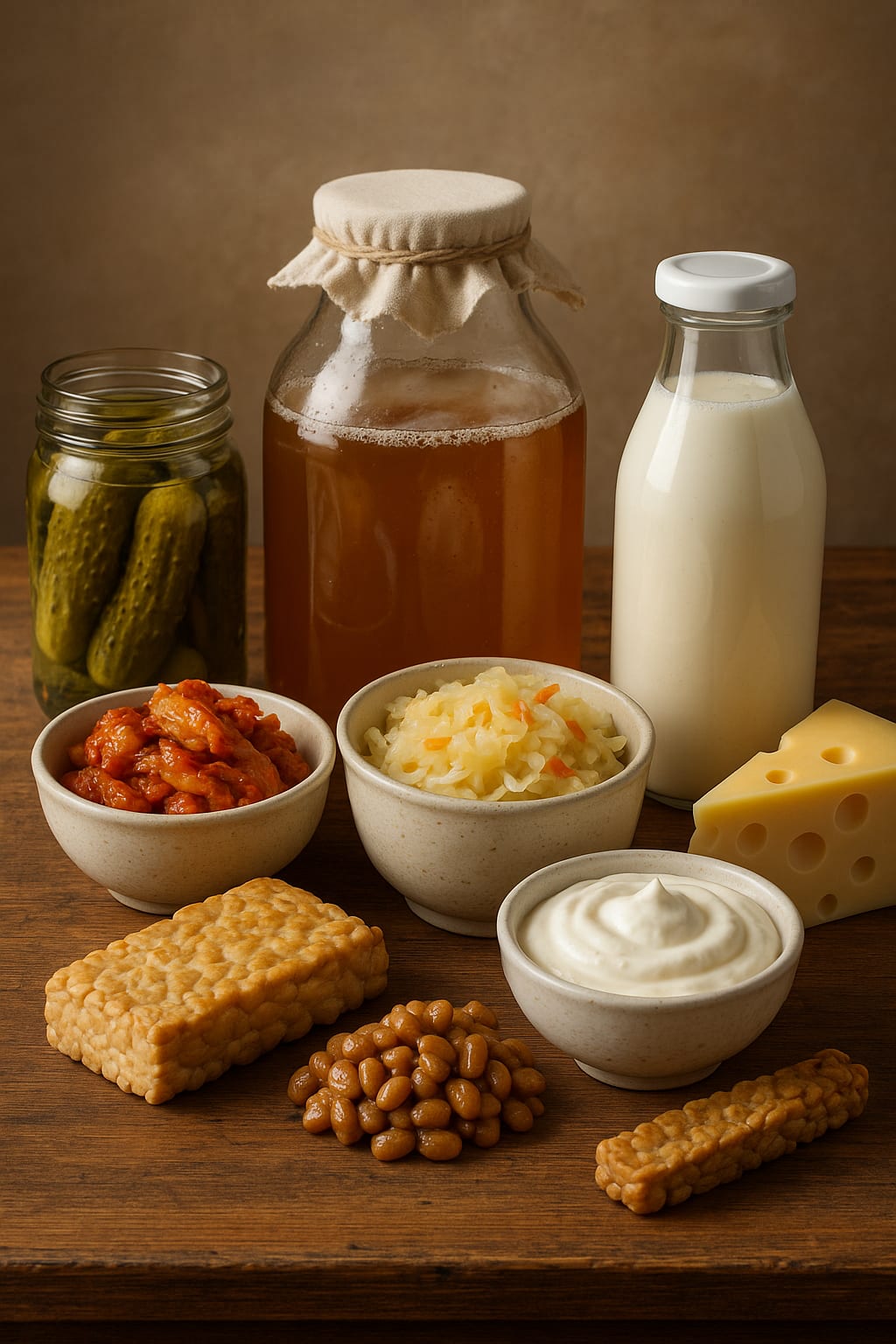
In recent years, gut health has gone from a fringe topic to a mainstream concern. We now understand that our digestive tract isn’t just a food-processing tube; it’s home to trillions of microorganisms that influence everything from immunity to mood.
At the heart of gut health lies a powerful, age-old ally: fermented food.
Fermentation is a natural process that involves the breakdown of sugars by bacteria and yeast. This process not only preserves food but also boosts its nutritional profile.
More importantly, it produces probiotics, live microorganisms that support a thriving microbiome.
If you’re looking to restore balance in your gut or simply enhance digestion, integrating fermented foods into your diet is a smart, natural move.
Here are ten of the best fermented foods for gut health, each with unique properties and benefits.
1. Sauerkraut
Sauerkraut, meaning “sour cabbage” in German, is made by fermenting finely shredded cabbage with lactic acid bacteria. Its tangy flavor and crunchy texture make it a staple in many cuisines, but its benefits go far beyond taste.
Rich in probiotics, fiber, and vitamins C and K, sauerkraut supports digestion, boosts immunity, and can even reduce inflammation. The fermentation process also enhances the bioavailability of nutrients, meaning your body absorbs them more efficiently.
Unpasteurized sauerkraut is key, high heat can kill the beneficial bacteria you’re after.
2. Kimchi
Hailing from Korea, kimchi is a spicy, pungent mix of fermented vegetables, most often Napa cabbage and Korean radish, combined with garlic, ginger, and chili pepper. It’s not just a side dish; it’s a potent probiotic powerhouse.
Kimchi is loaded with Lactobacillus bacteria, which play a role in maintaining a healthy intestinal flora. It’s also high in antioxidants, contributing to lower cholesterol and reduced inflammation.
For those with a strong palate, it delivers both flavor and functional benefits.
3. Kefir
Kefir is a fermented dairy product, similar to yogurt but thinner in consistency and much higher in probiotic diversity. Originating in the Caucasus Mountains, kefir is made by introducing kefir grains, clusters of bacteria and yeast, to milk.
This beverage is rich in over 30 strains of beneficial bacteria and yeast, giving it a broad-spectrum effect on gut health. It can improve lactose digestion, restore gut flora after antibiotic use, and support immune function.
Plus, it’s a good source of protein, calcium, and B vitamins.
4. Yogurt
A well-known staple in probiotic nutrition, yogurt is made by fermenting milk with specific bacterial cultures like Lactobacillus bulgaricus and Streptococcus thermophilus. It’s widely available, but not all yogurt is created equal.
For gut health, you want unsweetened, plain yogurt with live active cultures. Some brands add extra probiotic strains such as L. acidophilus, which are particularly effective in restoring microbial balance.
Its creamy texture and versatility make it easy to incorporate into meals or snacks.
5. Miso
A cornerstone of Japanese cuisine, miso is a fermented paste made from soybeans, salt, and koji (a type of mold). Used to flavor soups, sauces, and marinades, miso brings a deep umami flavor that’s hard to replicate.
Miso contains beneficial bacteria, particularly Aspergillus oryzae, which support digestion and immune response. It’s also packed with essential minerals like manganese and zinc.
As with other fermented foods, avoid high-heat cooking methods if you want to preserve the probiotics.
6. Tempeh
Tempeh is a dense, cake-like product made from fermented soybeans. Originating in Indonesia, it has a firm texture and a nutty, earthy taste. It’s often used as a meat substitute due to its high protein content and chewy bite.
Beyond being a plant-based protein source, tempeh supports gut health through fermentation. The process reduces anti-nutrients like phytic acid, making it easier to digest and increasing mineral absorption.
It also fosters the growth of Bacillus species, beneficial bacteria for gut health.
7. Kombucha
This fizzy, fermented tea is made by adding a SCOBY (Symbiotic Culture Of Bacteria and Yeast) to sweetened black or green tea. Over time, the mixture ferments, creating a tangy, effervescent drink with a mild kick.
Kombucha is known for its probiotic content and also provides antioxidants and organic acids, which can support liver detoxification and digestion. Its refreshing taste makes it a popular alternative to sugary sodas, but it’s best consumed in moderation due to its acidity and trace alcohol content.
8. Pickles (Fermented)
Not all pickles are created equal. The ones that benefit your gut are those fermented in a brine of water and salt, not those preserved in vinegar. Fermented pickles develop naturally occurring probiotics, particularly Lactobacillus plantarum.
These tangy treats help diversify the gut microbiome and enhance digestive enzyme activity. They’re also low in calories and can offer a satisfying crunch as a side or snack.
Always check the label: you want “naturally fermented” and “live cultures” listed.
9. Natto
Natto is a traditional Japanese food made from soybeans fermented with Bacillus subtilis. It’s sticky, stringy, and has a strong, ammonia-like aroma. Admittedly, it’s an acquired taste.
Despite the polarizing texture and smell, natto is a superfood for the gut. It contains nattokinase, an enzyme with anti-inflammatory and clot-dissolving properties. It’s also high in vitamin K2, crucial for cardiovascular and bone health.
For those who can stomach it, natto offers unique and potent benefits.
10. Fermented Cheese
Cheese can be more than a guilty pleasure. Certain types, such as Gouda, cheddar, Swiss, and Parmesan, are fermented and aged in ways that promote the survival of probiotic strains.
These cheeses contain live cultures that can aid digestion and contribute to microbial diversity. They also offer a rich source of calcium, protein, and fats essential for brain and cellular function.
Choose raw or aged cheeses with "live cultures" indicated on the label to get the most benefit.
Your gut is a dynamic ecosystem. What you feed it matters, not just for digestion, but for your overall health. Fermented foods offer a natural, effective way to populate your digestive tract with beneficial bacteria. They help keep harmful microbes in check, improve nutrient absorption, and even impact your mood and immune resilience.
You don’t need to overhaul your entire diet. Start small. Add a spoonful of sauerkraut, swap soda for kombucha, or spoon some yogurt into your breakfast routine. Over time, these modest choices can lead to noticeable improvements in how you feel.
Let your food be your medicine, but more importantly, let it be real, fermented, and alive.
About the Creator
Richard Bailey
I am currently working on expanding my writing topics and exploring different areas and topics of writing. I have a personal history with a very severe form of treatment-resistant major depressive disorder.
Keep reading
More stories from Richard Bailey and writers in Longevity and other communities.
The Hidden Link Between Poor Circulation and Brain Fog You Shouldn't Ignore
Why Brain Fog Deserves Serious Attention If you've ever found yourself struggling to focus, forgetting simple tasks, or feeling mentally sluggish despite a good night's sleep, you may be experiencing what is commonly referred to as "brain fog." Though not a medical diagnosis in itself, brain fog is a symptom that can significantly impair your cognitive function and quality of life.
By Richard Bailey8 months ago in Longevity
Day 4 of Quitting
If this is how sobriety feels, maybe it’s better to go through life a little buzzed… this, along with other hits like, I want to kill myself, I wish I was dead, and I’m going to throw myself off a bridge have been the only thoughts on rotation these past few days. I promise myself that if, in a month, I still feel like this (‘this’ meaning despondent, full of rage, and simultaneously numb) I can go back to smoking. Until mid-February though? Nicotine is off the table.
By sleepy drafts12 days ago in Longevity
Distributed Control Systems Market Outlook
Introduction: From Centralized Control to Distributed Intelligence Modern industry is no longer defined by isolated machines and manual supervision. Today’s factories, power plants, refineries, and utilities operate as interconnected digital ecosystems—where data, automation, and intelligent decision-making flow seamlessly across processes. At the center of this transformation stands the Distributed Control System (DCS).
By Janine Root 7 days ago in Longevity




Comments (1)
Thanks for this post Foody Cheff