
This Common Yard Weed Is Legally Used For Anxiety, Stress, and Chronic Fatigue
Serisouly. You've Probably Tried To Kill It.

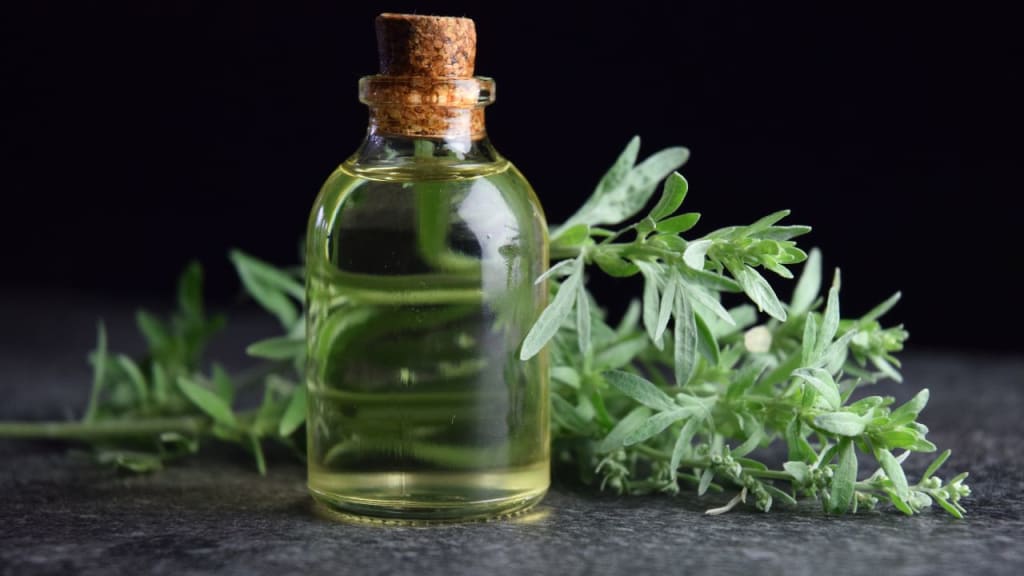
Mugwort is an herb native to Europe and Asia that has been used for centuries in both cooking and medicine. It was introduced to North America by early settlers who carried it across the Atlantic as ballast in ships. Today, mugwort continues to spread throughout the continent, particularly along roadsides and in areas disturbed by human activity. It is commonly found in the northeast, including New York State, and extends west past Minnesota and as far south as Florida.
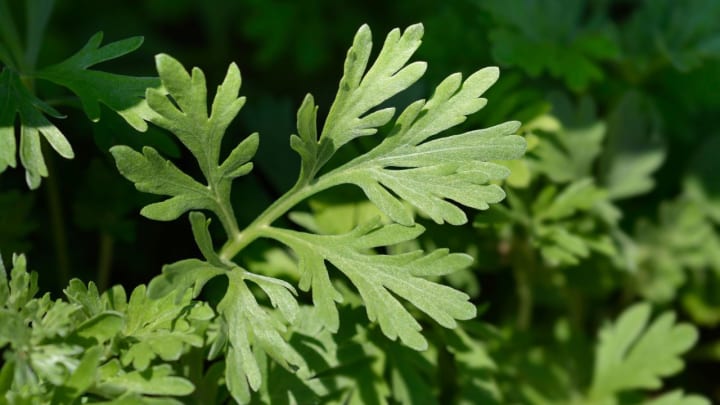
Wormwood, or mugwort, thrives in a variety of environments, particularly in meadows, ditches, and other disturbed areas. This hardy, invasive species has adapted well to North America, making it difficult to control. Mugwort is a perennial plant that blooms from late summer to early fall. It is recognized by its dark green leaves, which alternate along the stem and have silvery-white hairs on the underside. The tops of the leaves are smooth, and when crushed, they release a strong, distinctive odor.
One of mugwort’s key advantages as an invasive plant is its prolific seed production. A single plant can generate up to 200,000 seeds, each roughly 1 mm in diameter. These seeds are light and easily carried by the wind. In addition, human activity contributes significantly to the plant’s spread, as seeds are transported by tires, lawnmowers, and construction equipment. Consequently, mugwort has become a common sight along miles of roadside, where it quickly establishes dense patches.
In addition to seed dispersal, mugwort’s rhizomatous roots play a major role in its rapid expansion. These roots form an extensive underground network that enables the plant to spread aggressively and outcompete native species. Even small fragments of the root system can regenerate, making it extremely difficult to eradicate. Mugwort’s rhizomes often hitch a ride in contaminated nursery stock, including ornamental plants, turf grass, and orchard trees, further spreading the plant to new areas. This dual strategy of seed and root propagation has allowed mugwort to displace many native plants, particularly those that thrive in sunny, open habitats.
Controlling Mugwort
Managing mugwort requires diligent effort and proactive strategies. One of the most effective ways to limit its spread is to clean tools and equipment regularly to remove seeds and root fragments. Using clean fill materials during construction or landscaping projects can also help prevent contamination. If infestations are detected early, removing mugwort plants before they establish a strong root system can stop them from spreading further. However, once the plant has taken hold, control becomes far more challenging due to its resilient roots and abundant seed production.
Uses and Benefits of Mugwort
Disclaimer: Do not use mugwort if you are allergic to the Asteraceae or Compositae (daisy) family of plants, which includes ragweed, chrysanthemums, marigolds, daisies, and chamomile. Avoid mugwort if you are allergic to birch, cabbage, grass, hazelnut, olive pollen, honey, mustard, royal jelly, sweet bell pepper pollen, tobacco, carrots, celery, or sunflower. Always consult with a healthcare professional before using herbal remedies.
Throughout history, mugwort has been prized for its culinary, medicinal, and spiritual uses. In ancient cultures, mugwort was burned or smoked to induce vivid dreams and promote relaxation. Some believed that the herb could help facilitate lucid dreaming or even connect individuals to the spiritual realm. When smoked, mugwort produces a mildly sweet, aromatic smoke with subtle psychoactive effects.
In traditional medicine, mugwort has been used as a remedy for a variety of ailments. It is believed to support digestion, regulate irregular menstrual cycles, and lower high blood pressure. It has also been marketed as a liver tonic, sedative, and mild laxative. However, these uses are based on traditional knowledge, and scientific evidence supporting their effectiveness is limited.
Mugwort also has topical applications. It has been used to treat itching and discomfort associated with hypertrophic scars—visible, raised scars that can limit movement in muscles, joints, and tendons. When applied as a lotion, mugwort may help soothe the skin and reduce irritation.
Mugwort in Modern Times
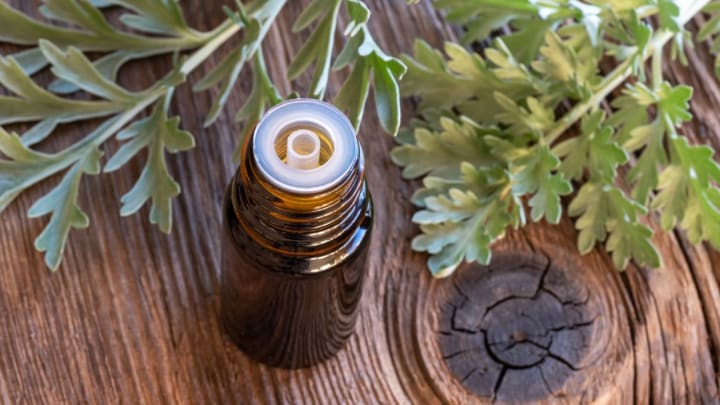
Despite its invasive nature, mugwort remains an important plant in herbal medicine and folklore. In modern times, it is used to make teas, tinctures, and essential oils. Mugwort tea, for instance, is said to aid in digestion and relaxation. Additionally, mugwort is used in traditional Asian medicine practices such as moxibustion, where the dried herb is burned near acupuncture points to stimulate healing.
While mugwort has many beneficial properties, it is crucial to handle this plant responsibly due to its invasive tendencies and potential to disrupt ecosystems. Efforts to control its spread can help protect native plants and maintain ecological balance. By understanding the unique characteristics and uses of mugwort, we can appreciate its value while remaining mindful of its impact on the environment.
About the Creator
Rootbound Homestead
Rootbound Homestead is a community bound by roots. Leaving our old comfy life in FL to move to NY to start living cleaner, more simply, and with purpose. Garden hacks, tips and tricks, natural medicine, healing, animals, recipes and more!
Keep reading
More stories from Rootbound Homestead and writers in Longevity and other communities.
1842 Raw Honey Whole Body Immunity Blanket Elixir
There is a host of crud going around these days, and I've dug deep into my books to pull out the best natural remedy to not only help friends and family get over the flu faster, but to help keep it out all together! The ingredients below create what is called the "perfect immunity blanket" for your body.
By Rootbound Homestead12 months ago in Longevity
Day 4 of Quitting
If this is how sobriety feels, maybe it’s better to go through life a little buzzed… this, along with other hits like, I want to kill myself, I wish I was dead, and I’m going to throw myself off a bridge have been the only thoughts on rotation these past few days. I promise myself that if, in a month, I still feel like this (‘this’ meaning despondent, full of rage, and simultaneously numb) I can go back to smoking. Until mid-February though? Nicotine is off the table.
By sleepy drafts10 days ago in Longevity
The last door
The Day the Teacher Learned to Repent At Government High School, a new teacher named Abdul Hameed had joined. He was a little different from the other teachers. He wanted his students not only to follow the curriculum but also to think critically and creatively, so their learning abilities could grow.
By Sudais Zakwan3 days ago in Longevity
The Devil's Cut
“Comrade, finally you’re awake.” The voice was smooth, sensual. A flickering incandescent bar was all that lit the white, sterile room. All Vladimir remembered was everything going black. He tried to move his arms and found them strapped to the gurney.
By Matthew J. Fromm3 days ago in Fiction




Comments
There are no comments for this story
Be the first to respond and start the conversation.