
The Science Behind Barefoot Shoes: Why Your Feet Deserve to Feel the Earth Beneath Them
Barefoot Shoes: Unlocking Natural Foot Movement for Better Health, Strength, and Posture!!!

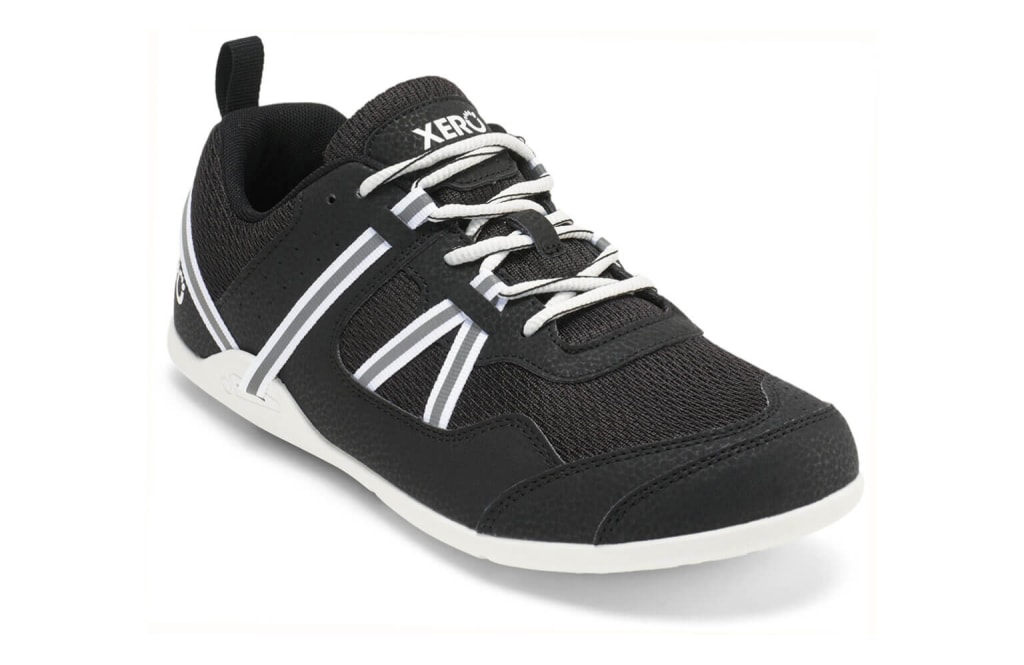
We’ve all heard it before: "Your shoes are killing you!" Whether it’s the uncomfortable pinch of a tight heel, the annoying blisters from poorly designed sneakers, or the feeling that your feet are just… trapped, traditional footwear often doesn’t offer the comfort and freedom they deserve. But what if we told you that ditching those cushioned, arch-supporting monstrosities could actually be good for your health? That’s where barefoot shoes come in.
Now, before you picture yourself wandering the streets of your city, dodging sharp objects with bare, vulnerable soles, let’s clarify what we’re talking about. Barefoot shoes, also known as minimalist shoes, are designed to mimic the natural movement of your feet, offering protection while allowing your feet to move more naturally. But how exactly do they work, and why should you consider making the switch? Let’s dive into the science behind barefoot shoes and why they might just be the best thing for your feet.
1. Your Feet Are Built to Move Freely
First things first: our feet are magnificent creations. With 26 bones, 33 joints, and over 100 muscles, tendons, and ligaments, they’re highly specialized structures designed to move, adapt, and absorb shock in ways that modern shoes often restrict. The problem is, for the past several decades, we’ve been stuffing our feet into shoes that don’t allow them to do their job.
Traditional shoes—particularly those with thick soles and built-in arch supports—can actually alter the way your feet function. When you wear these shoes, you’re essentially blocking your feet from their natural movement patterns, which can lead to weakness and imbalances over time. This is where barefoot shoes come in. They’re designed to allow your feet to engage in their full range of motion, strengthening muscles and restoring natural foot mechanics.
2. The Science of Ground Contact: Proprioception at Its Finest
One of the most important benefits of barefoot shoes is their ability to enhance proprioception. Proprioception refers to your body’s ability to sense its position in space, and it’s a vital part of movement. When your feet are in direct contact with the ground, they send a steady stream of sensory information to your brain, helping you maintain balance and adjust your movement patterns accordingly.
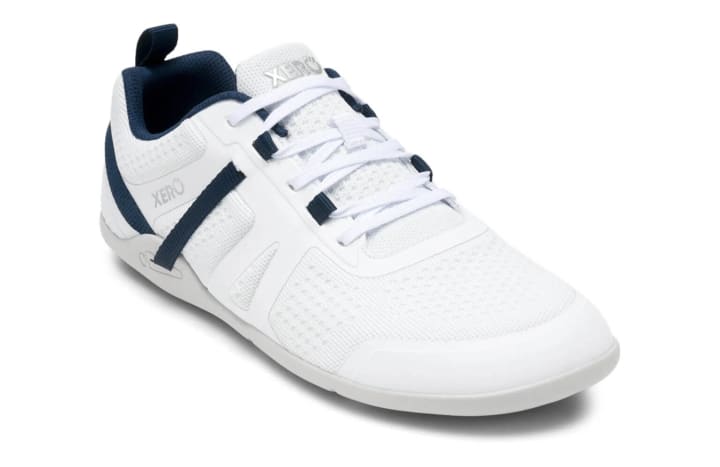
Think about it: have you ever walked barefoot on grass or sand and noticed how much more aware you are of each step? That’s proprioception in action. Barefoot shoes, with their thin, flexible soles, allow you to experience this heightened sense of ground contact even while protecting your feet from rocks, glass, and other debris. Over time, this improved sensory feedback can enhance your balance and coordination, making you more agile in your daily movements.
3. Strengthening Your Feet and Lower Body
When was the last time you thought about your foot muscles? If you’re like most people, you probably don’t give them much attention. But your feet play a crucial role in supporting the entire structure of your body, from your ankles up to your hips and spine. Wearing traditional shoes with built-in arch supports or excessive cushioning can weaken these muscles because they’re doing all the work for you. It’s like relying on a crutch: the more you lean on it, the less your body learns to function independently.
Barefoot shoes, on the other hand, encourage your foot muscles to engage more fully. By mimicking the natural movement of walking barefoot, these shoes help you strengthen the intrinsic muscles of your feet, which can improve overall foot health and reduce the risk of common foot issues like plantar fasciitis, flat feet, and bunions.
And it’s not just your feet that benefit—stronger feet lead to better posture, which can have a ripple effect on the entire body. Many barefoot shoe enthusiasts report improvements in their knees, hips, and lower back after transitioning to minimalist footwear. It’s like a domino effect of strength and alignment that starts with your toes.
4. Better Posture and Alignment: Let Your Body Move Naturally
One of the key factors in preventing joint pain and discomfort is maintaining proper posture and alignment. The average shoe, with its elevated heel and rigid structure, can actually force your body into unnatural positions. Over time, this misalignment can contribute to chronic pain, especially in the knees, hips, and lower back.
Barefoot shoes, by contrast, allow your body to align itself more naturally. With a flatter sole and more flexible construction, they encourage a more neutral foot position, which can help you stand, walk, and run with better posture. When your feet are properly aligned, your knees, hips, and spine follow suit, reducing the risk of injury and discomfort.
5. The Evolutionary Argument: Why Our Ancestors Were Onto Something
Humans didn’t always have access to the cushioned, high-tech sneakers we wear today. In fact, for most of human history, we went barefoot or wore minimal footwear. Our ancestors didn’t need fancy arch support or gel cushioning; they relied on their feet’s natural strength and flexibility to navigate the world.
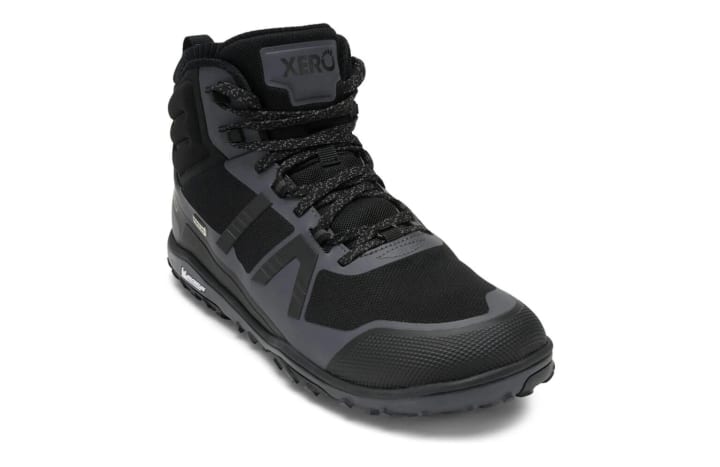
While we don’t have to go completely barefoot anymore (hello, urban environments), the barefoot shoe movement draws inspiration from this evolutionary truth. The basic design of barefoot shoes—thin, flexible soles with little to no arch support—mimics the natural state of our feet before modern footwear took over. This design aims to restore the function of our feet, just as they were originally meant to work.
6. The Transition Period: Take It Slow
If you’re excited about making the switch to barefoot shoes, there’s one important piece of advice to keep in mind: take it slow. Your feet have been conditioned to rely on conventional shoes for a long time, and jumping into barefoot shoes too quickly can lead to soreness or even injury. Just like any change in routine, transitioning to barefoot shoes requires time and patience.
Start by wearing your barefoot shoes for short periods—perhaps around the house or for brief walks—and gradually increase the duration as your feet get used to the new movement patterns. In the beginning, you might feel muscles working that you didn’t even know existed, and that’s okay! It’s a sign that your feet are waking up and doing their job.
7. The Bottom Line: Should You Go Barefoot?
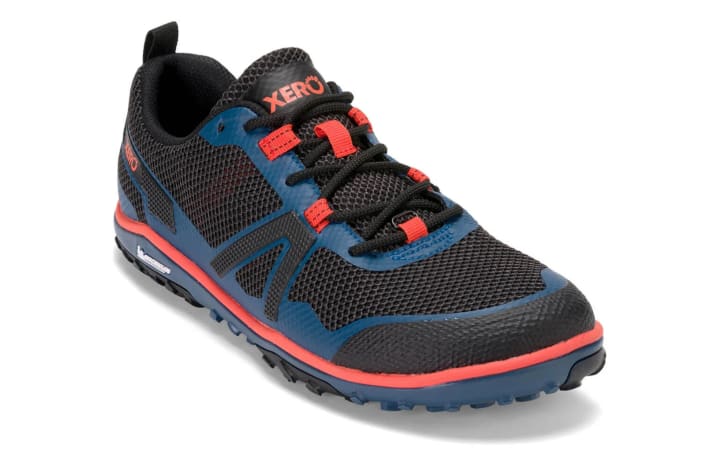
The science behind barefoot shoes is compelling. By allowing your feet to move naturally, barefoot shoes can help improve foot strength, posture, balance, and alignment. They can even reduce the risk of certain foot problems that are exacerbated by conventional footwear. But, as with any change in lifestyle, it’s important to listen to your body and transition gradually.
So, if you’re tired of feeling like your shoes are doing all the work for you, and you’re ready to let your feet do their thing, barefoot shoes might just be the game-changer you need. Not only will your feet thank you, but your whole body might feel better too. Plus, there’s something deeply satisfying about walking with the earth beneath your feet, even if it’s just a bit of grass or gravel. Take it one step at a time—your feet are ready for the adventure.
Thank you 🙏
Future of Resilience
About the Creator
Future of Resilience
I enjoy writing book and product review, relationship and parenting blogs. I hope you enjoy my writing. Happy Reading!
Keep reading
More stories from Future of Resilience and writers in Longevity and other communities.
7 Tips on How to Build a Clean Eating Grocery List
Let’s face it—life can get busy. Between work, family, and everything in between, the thought of eating clean, nourishing meals can feel like an impossible task. Grocery shopping alone can be a chore, and the idea of meal planning, cooking from scratch, and sticking to healthy eating goals can sometimes feel overwhelming. But here's the good news: you don’t have to be a meal-prep guru or spend hours at the stove to eat clean. Whether you’re filling your own grocery cart or getting a little help from a meal kit service, building a clean eating routine has never been easier—or more delicious.
By Future of Resilience about a year ago in Longevity
Day 4 of Quitting
If this is how sobriety feels, maybe it’s better to go through life a little buzzed… this, along with other hits like, I want to kill myself, I wish I was dead, and I’m going to throw myself off a bridge have been the only thoughts on rotation these past few days. I promise myself that if, in a month, I still feel like this (‘this’ meaning despondent, full of rage, and simultaneously numb) I can go back to smoking. Until mid-February though? Nicotine is off the table.
By sleepy drafts11 days ago in Longevity
Geographic Information Systems Market Size and Forecast 2025–2033
Introduction The Geographic Information Systems (GIS) market is undergoing a profound transformation as digital infrastructure, data analytics, and location-based technologies reshape the way organizations plan, operate, and innovate. According to Renub Research, the global GIS market is projected to grow from US$ 12.90 billion in 2024 to US$ 32.04 billion by 2033, registering a compound annual growth rate (CAGR) of 10.64% between 2025 and 2033.
By Marthan Sir7 days ago in Longevity




Comments (1)
Good job on this product review. These shoes sound really comfortable.