
The Rise of DIY Diagnostics: How Home Health Kits Are Changing the Future of Wellness
From at-home cholesterol tests to wearable glucose monitors, personal health tracking is no longer just for doctors. But is this new era of self-diagnosis empowering — or risky?

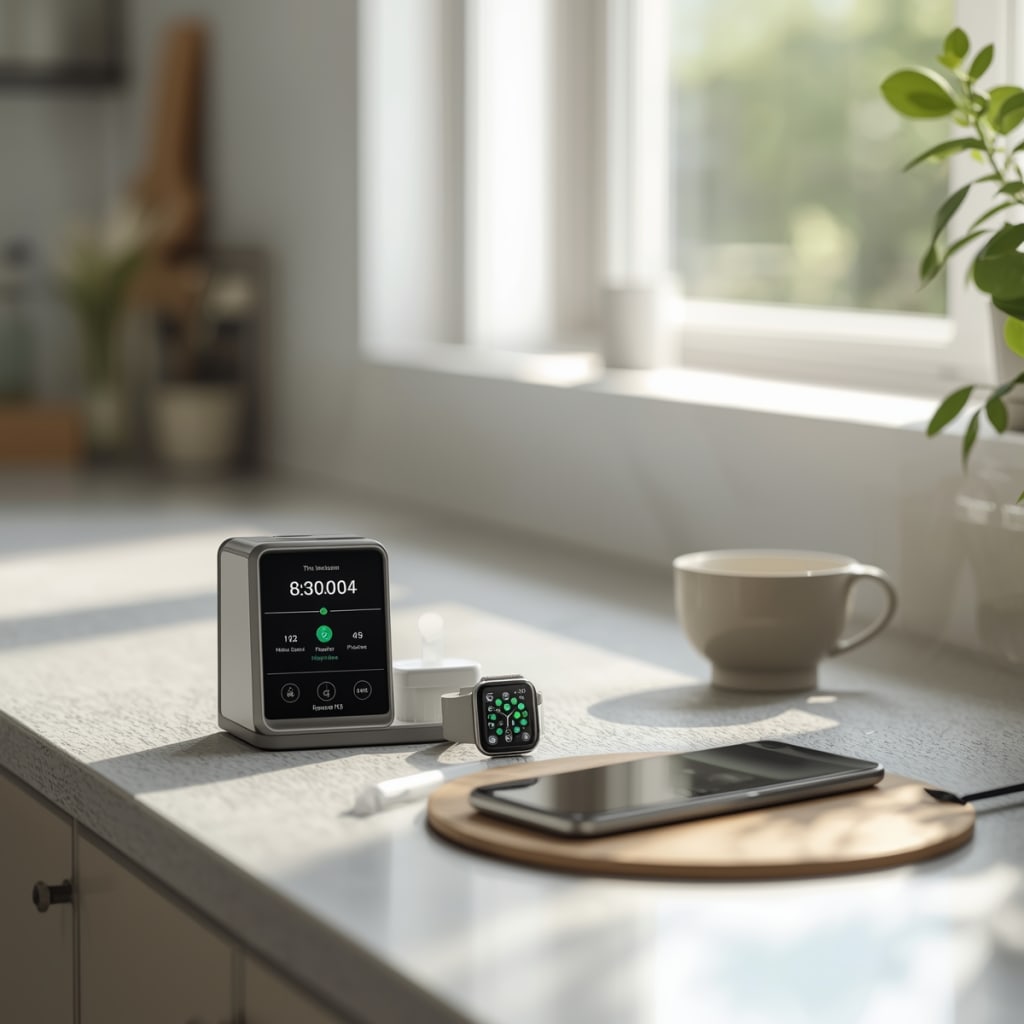
Just a decade ago, health checkups were something that happened once or twice a year in a doctor’s office. You’d sit in a waiting room, answer a few questions, maybe get some blood drawn, and wait days or weeks for results.
Today, the medical world is changing — and changing fast.
Miniaturized sensors, smartphone-based labs, and mail-in test services have turned personal health diagnostics into something you can do at your kitchen table. From checking vitamin deficiencies to measuring inflammation levels and tracking hormones, ordinary people now have access to tools that once required a full medical lab.
This shift is more than convenient. It represents a major cultural transformation in how we understand — and control — our health.
I. The Healthcare System Was Built for the Sick — Not the Well
For decades, healthcare has followed one model:
You wait until something is wrong, then you go to the doctor.
This system is reactive, not preventive.
But today, people no longer want to wait until they’re sick to think about their health. They want to catch problems early — at the stage where lifestyle changes can still reverse them.
Enter the world of DIY diagnostics.
Companies now offer FDA-approved or clinically verified tests for things like:
Test Type What It Measures Why People Use It
Cholesterol & Lipids Heart health Track lifestyle progress
HbA1c & Glucose Blood sugar levels Prevent diabetes early
Hormone Panels Thyroid, cortisol, reproductive hormones Understand fatigue, stress, mood shifts
Microbiome/Gut Health Digestive bacteria profile Improve digestion & immunity
Vitamin & Mineral Levels B-vitamins, iron, magnesium Fine-tune diet and supplements
Instead of annual checkups, people are beginning to monitor themselves weekly or monthly.
And that changes everything.
II. Wearables Have Become Personal Health Guardians
It started with step counters.
Now, smartwatches predict:
Irregular heart rhythms
Sleep disturbances
Blood oxygen drops
Stress loads from heart variability
Even subtle early illness signals
For example, the Oura Ring can detect illness 48–72 hours before symptoms, by noticing changes in skin temperature and HRV (heart rate variability).
The Apple Watch has already saved thousands of lives by alerting wearers to atrial fibrillation, a silent heart rhythm disorder that often leads to stroke.
These devices aren’t just counting steps — they’re reading your physiology in real time.
Your wrist is now a medical dashboard.
III. Why This Trend Is Exploding
1. People Are Tired of Waiting for Appointments
Healthcare systems around the world are overloaded. Waiting months to get a test is common. At-home kits eliminate that delay.
2. Preventive Health is Cheaper Than Treatment
It is far easier — and less expensive — to adjust diet, sleep, or movement when warning signs appear early.
3. Wellness Is Becoming Identity
People now describe health not just as a medical condition but as a lifestyle, value, and personal alignment.
4. Personal Data Feels Empowering
Seeing your own glucose drop after a walk or vitamin levels improve after diet changes makes health visible.
IV. But There Are Risks — And We Need to Talk About Them
Like any transformation, DIY diagnostics has shadows.
1. Misinterpretation
Not everyone knows how to analyze results. A slightly elevated marker might mean:
Normal variation
Temporary stress
Something important
Without guidance, it’s easy to worry unnecessarily.
2. Anxiety from Too Much Data
When you track everything, every number can feel like a crisis.
3. Privacy Concerns
Health data is profitable. Selling aggregated biological data to insurers or tech companies is a real risk.
4. Replacing Doctors Instead of Partnering with Them
DIY diagnostics should supplement, not replace professional care.
The healthiest future is collaborative — not DIY vs doctor, but DIY + doctor.
V. The Most Powerful Benefit: It Changes How We Think About Aging
Until recently, aging was viewed as inevitable decline.
But now, we can measure:
Inflammation levels
Biological age vs calendar age
Metabolic flexibility
Cellular repair function
And that makes aging something we can influence.
Small changes really do move the numbers:
Walking after meals improves glucose regulation
Strength training boosts metabolism and bone health
Sleep quality affects cortisol, hunger, and immunity
Fiber and fermented foods shift microbiome health
People are starting to realize:
Healthspan can be increased. Aging rate can be influenced. Lifespan can be extended.
DIY diagnostics makes progress visible — and therefore, motivation sustainable.
VI. So What Does the Future Look Like?
Imagine this:
You wake up.
Your ring quietly scans your sleep phases and heart recovery.
Your watch suggests breakfast based on glucose patterns.
Your bathroom mirror checks hydration and stress through facial micro-expressions.
You don’t go to the hospital only when something is wrong —
You stay out of the hospital because your body has been guided and monitored every day.
That is the future of wellness.
Not reactive.
Not expensive.
Not exclusive.
Personal. Immediate. Predictive. Preventive.
The Takeaway
DIY diagnostics is not about removing doctors.
It’s about giving people the power to understand their bodies.
We are entering a world where:
Health is tracked continuously
Problems are caught early
Wellness is personal and informed
And living longer comes from knowing yourself better
The future of health is already here.
And it starts at home.
About the Creator
Keep reading
More stories from arsalan ahmad and writers in Longevity and other communities.
Day 4 of Quitting
If this is how sobriety feels, maybe it’s better to go through life a little buzzed… this, along with other hits like, I want to kill myself, I wish I was dead, and I’m going to throw myself off a bridge have been the only thoughts on rotation these past few days. I promise myself that if, in a month, I still feel like this (‘this’ meaning despondent, full of rage, and simultaneously numb) I can go back to smoking. Until mid-February though? Nicotine is off the table.
By sleepy drafts12 days ago in Longevity
Halal Cosmetics Market Size & Forecast 2025–2033
Introduction The global beauty industry is undergoing a powerful transformation, driven not only by innovation and fashion but also by ethics, sustainability, and cultural inclusion. Among the fastest-growing segments in this evolution is halal cosmetics—beauty and personal care products formulated in compliance with Islamic principles while also aligning closely with modern clean beauty values. What was once considered a niche category is now becoming a mainstream choice for consumers seeking transparency, safety, and ethical production.
By Janine Root 6 days ago in Longevity


Comments
There are no comments for this story
Be the first to respond and start the conversation.