
The Return of Covid-19 in Asia: What You Need to Know
COVID-19

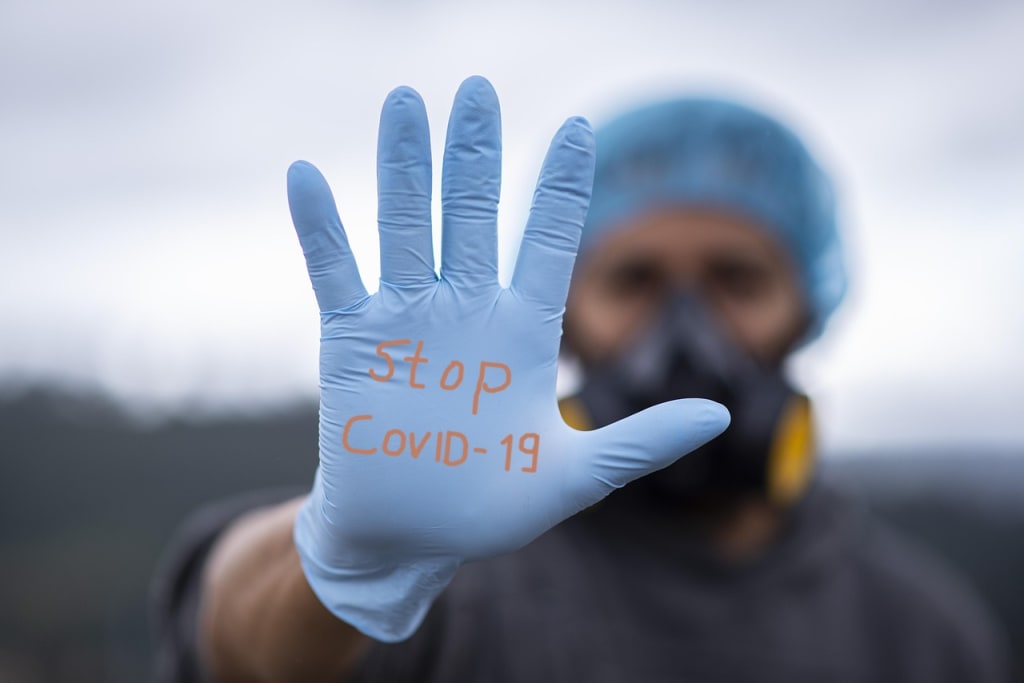
While many of us hoped that Covid-19 would fade away with time, recent data shows the virus is still very much active in parts of Asia. Even during warmer months—when respiratory illnesses typically ease up—countries like Hong Kong, Singapore, China, and Thailand are seeing new waves of infection. Here’s a friendly, easy-to-follow update on what’s happening and how you can stay safe.
Why Is Covid-19 Back on the Rise?
Experts point to two main reasons for the recent uptick:
1. Waning Immunity: Over time, the protection from past infections and earlier vaccine doses can drop.
2. Increased Travel and Gatherings: As people move around and come together for festivals or daily life, the virus finds new hosts more easily.
These factors combine to give Covid-19 fresh chances to spread, even in places that once thought they had beaten it.
Hong Kong: A Sudden Spike in Severe Cases
Highest Positivity Rate in a Year: In early May, Hong Kong recorded its busiest week for positive tests in more than 12 months.
- Severe Illnesses on the Rise: Thirty-one people developed serious Covid-19 symptoms in just one week—more than any week over the past year.
- Sewage Monitoring Sounds the Alarm: Health officials track virus levels in community wastewater. Recent tests show a clear jump, signaling more people are carrying the virus.
- Public Figures Affected: Even popular singer Eason Chan tested positive, forcing him to cancel shows. His case has reminded many residents to stay cautious.
If you live in—or plan to visit—Hong Kong, now is a good time to check your vaccine records and consider a booster, especially if you’re older or have health issues.
Singapore’s 28% Jump in New Infections
- Fresh Data After a Long Break: The city-state shared its first detailed Covid update in nearly a year, revealing a 28% rise in cases for the week ending May 3.
- Hospital Visits Are Climbing: Alongside more positive tests, Covid-related hospital admissions grew by about 30% over the same period.
- No New Super-Variants Found: Local health authorities say the current viruses aren’t more dangerous than before. Instead, they believe people’s immunity is wearing off.
Booster Push for Vulnerable Groups: Officials strongly recommend that seniors and those with weak immune systems get an extra dose now.
For those in Singapore, keeping up with booster shots can help you avoid serious illness and keep hospitals from getting overloaded.
China and Thailand: Fresh Outbreaks, Old Patterns
- China’s Rising Test Rates: Data from China’s CDC shows hospital test positivity rates more than doubled in the five weeks leading up to May 4. This hints that the country could face a wave similar to last summer’s outbreak.
- Thailand’s Festival-Fueled Surge: Two big spikes hit Thailand this year. The latest came right after Songkran, the April water-splashing New Year celebration. Large crowds and close contact likely helped the virus spread.
- Calls for Vaccines and Boosters: In both nations, health agencies are urging people—especially those at higher risk—to get vaccinated or receive a booster dose as soon as possible.
If you have plans to travel to or live in China or Thailand, check local health advisories and consider updating your vaccine status.
What About India?
As of mid-May 2025, India reports very low case numbers—just 93 active infections nationwide. Officials say there’s no sign of a new wave yet. But with neighbors experiencing surges, India’s health experts remain watchful. Any shift in nearby countries could quickly affect its own outbreak levels.
Looking Ahead: What This Means for Asia
1. Covid-19 May Not Follow the Flu Pattern: Unlike the flu—which usually wanes in summer—Covid has shown it can flare up any time.
2. Data Sharing and Coordination: Regional health authorities are swapping information and advice more than ever.
3. Ongoing Vigilance Required: Even if case numbers drop again, being ready for the next rise is key.
This wave is a clear sign that Covid-19 hasn’t disappeared. It can still disrupt daily routines, close events, and stretch hospital resources if we’re not careful.
How You Can Stay Prepared
- Stay Up to Date with Boosters: If you’re in a higher-risk group (like seniors or people with chronic illness), talk to your doctor about getting an extra vaccine dose.
- Monitor Local Health Advisories: Rules and recommendations can change quickly. Check official government or health-care websites for the latest guidelines.
- Practice Common-Sense Precautions: Wearing masks in crowded places, washing hands often, and keeping some distance during outbreaks still help reduce spread.
Watch for Symptoms: Early signs like fever, cough, and fatigue should not be ignored—get tested and stay home if you’re unwell.
Final Thoughts
Covid-19 remains a part of life in many parts of Asia. While we’ve learned to live with the virus to some extent, it can still catch us off guard when immunity wanes and people mix freely. By keeping up with vaccines, following health advice, and staying aware of local case levels, we can protect ourselves and our communities. The pandemic may not be over, but with simple steps, we can face new waves with confidence and care.
About the Creator
Akrang Raja
Welcome! Explore health 🩺 & business finance 💼 articles. Expert advice, actionable insights. Simplify money management, boost productivity, achieve wellness. Trusted content for your goals. Follow for regular updates!
Keep reading
More stories from Akrang Raja and writers in Longevity and other communities.
Energy Drink Ingredient Taurine Linked to Blood Cancer Risk, Study Warns
A groundbreaking study has raised alarms about a common energy drink ingredient found in popular brands like Red Bull and Celsius. Researchers suggest that taurine, an amino acid added to boost energy and focus, may increase the risk of blood cancers such as leukemia. Published in the journal Nature, the findings urge consumers to rethink their habits and highlight the need for further research into taurine’s long-term effects.
By Akrang Raja 8 months ago in Longevity
Day 4 of Quitting
If this is how sobriety feels, maybe it’s better to go through life a little buzzed… this, along with other hits like, I want to kill myself, I wish I was dead, and I’m going to throw myself off a bridge have been the only thoughts on rotation these past few days. I promise myself that if, in a month, I still feel like this (‘this’ meaning despondent, full of rage, and simultaneously numb) I can go back to smoking. Until mid-February though? Nicotine is off the table.
By sleepy drafts11 days ago in Longevity
Cloud's advice
A Conversation with the Cloud Friday, 5 January 2018 By Javed Iqbal Dark clouds had spread across the sky. They were so thick and heavy that even during the daytime, it felt as if night had fallen. Zeeshan was walking quickly toward his fields. He was worried that if it started raining, the bundles of wheat lying in the open would be damaged. He wanted to cover them with plastic sheets before the rain arrived.
By Sudais Zakwan3 days ago in Longevity




Comments
There are no comments for this story
Be the first to respond and start the conversation.