
The Path to Vibrant Living: Understanding Health and Wellness
A Holistic Approach to Physical, Mental, and Emotional Well-Being
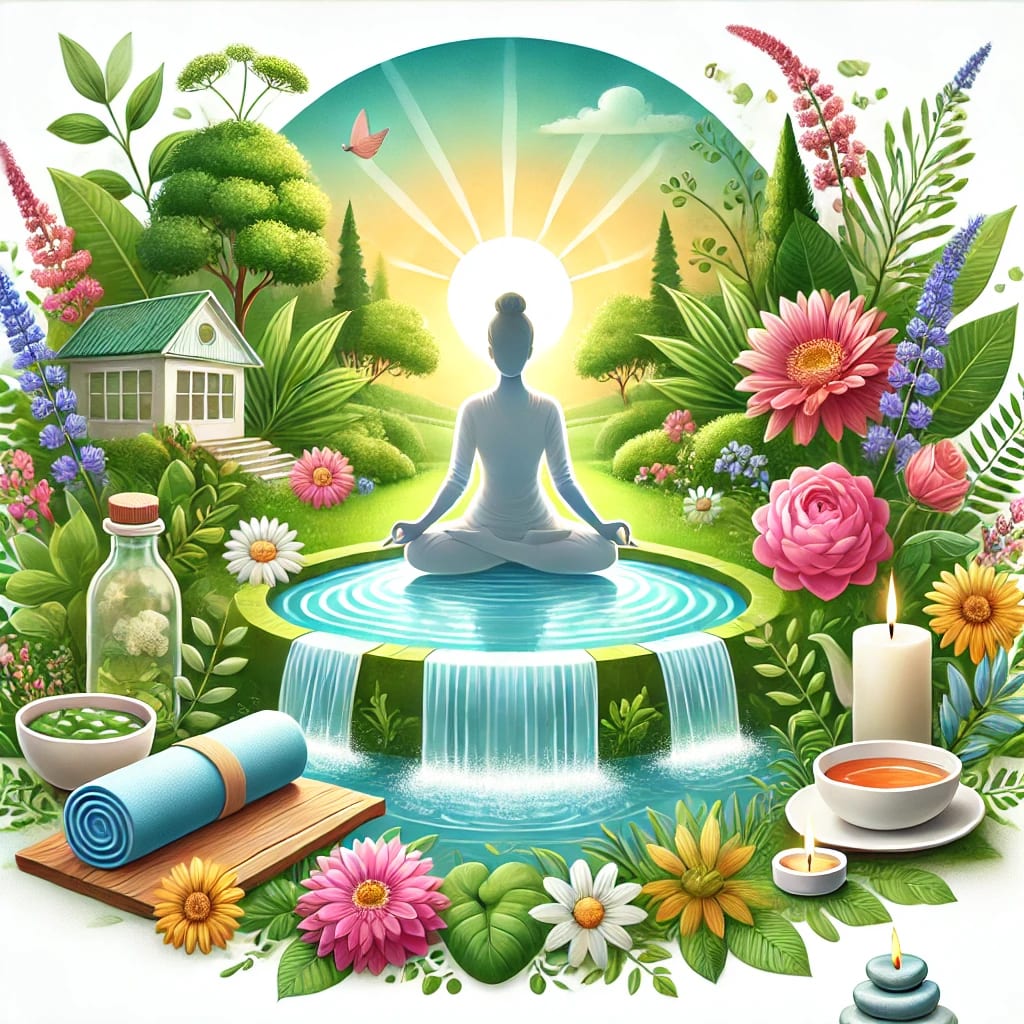
Introduction
In the modern world, health and wellness have become central to living a fulfilling life. As our lives grow increasingly hectic, maintaining a balance between physical, mental, and emotional well-being is essential. Health and wellness go beyond the absence of disease; they encompass a proactive approach to achieving vitality and purpose. This article explores the key components of health and wellness and offers practical tips to lead a healthier, happier life.
The Foundations of Health and Wellness
Health and wellness are interconnected dimensions that require nurturing to thrive. While "health" traditionally refers to the physical state of the body, "wellness" is a broader concept encompassing mental, emotional, social, and spiritual aspects. Together, they create a state of overall well-being.
1.Physical Health
Physical health forms the cornerstone of overall wellness. It involves maintaining a healthy body through regular exercise, balanced nutrition, and adequate rest. Regular physical activity strengthens muscles, improves cardiovascular health, and boosts mood through the release of endorphins.
- Nutrition: A balanced diet rich in fruits, vegetables, whole grains, lean proteins, and healthy fats is essential for optimal health. Avoiding processed foods and excessive sugar intake reduces the risk of chronic diseases such as diabetes and heart disease.
- Exercise: Incorporating at least 150 minutes of moderate aerobic activity or 75 minutes of vigorous activity weekly promotes physical fitness and longevity. Strength training exercises further enhance bone density and muscle mass.
- Rest and Recovery: Sleep plays a vital role in physical and mental health. Adults need 7–9 hours of quality sleep per night to support immune function, memory consolidation, and emotional stability.
2.Mental Wellness
Mental wellness involves maintaining a positive mindset, managing stress effectively, and cultivating resilience. It is closely linked to emotional health and contributes to our ability to navigate life's challenges.
-Stress Management: Chronic stress can lead to serious health issues, including high blood pressure, depression, and weakened immunity. Practices such as mindfulness, meditation, and deep breathing exercises can help reduce stress levels.
- Cognitive Engagement: Keeping the brain active through learning, problem-solving, and engaging in new activities enhances mental acuity and reduces the risk of cognitive decline.
- Support Systems: Building strong social connections fosters emotional well-being. Sharing thoughts and feelings with trusted friends or family members can alleviate stress and promote happiness.
3.Emotional Health
Emotional health refers to our ability to understand, express, and manage emotions effectively. It is a key component of wellness that affects our relationships, decision-making, and overall quality of life.
- Self-Awareness: Recognizing and understanding emotions helps in developing emotional intelligence. Journaling or talking to a counselor can enhance self-awareness.
-Emotional Regulation: Techniques such as grounding exercises or cognitive behavioral strategies can help manage overwhelming emotions.
-Empathy and Gratitude: Practicing empathy improves interpersonal relationships, while gratitude enhances life satisfaction and mental health.
4.Social and Spiritual Wellness
Human beings are inherently social creatures. Building strong relationships and finding meaning in life contribute to a sense of purpose and fulfillment.
-Social Wellness: Participating in community activities, volunteering, and nurturing close relationships provide a support system and increase a sense of belonging.
-Spiritual Wellness: Spirituality, whether through religion, meditation, or a connection with nature, fosters inner peace and clarity. It helps individuals navigate life’s complexities and find purpose.
Challenges to Health and Wellness
Despite its importance, maintaining health and wellness can be challenging due to various factors:
-Busy Lifestyles: Many individuals struggle to find time for exercise, meal preparation, or relaxation in their hectic schedules.
-Poor Habits: Unhealthy behaviors such as smoking, excessive alcohol consumption, and sedentary lifestyles contribute to physical and mental health issues.
-Environmental Stressors: Pollution, noise, and urban stress can negatively impact overall well-being.
Practical Tips for Achieving Health and Wellness
Adopting a proactive approach to health and wellness involves small, consistent changes that make a big impact over time.
1.Set Realistic Goals: Break larger health objectives into manageable steps to stay motivated and track progress.
2.Create a Routine: Establish a daily schedule for exercise, healthy meals, and relaxation. Consistency is key to building lasting habits.
3.Prioritize Mental Health: Take time for self-care activities, whether it’s reading, practicing yoga, or spending time in nature.
4.Stay Hydrated: Drinking adequate water supports digestion, skin health, and energy levels.
5.Seek Professional Support: Regular check-ups with healthcare providers ensure early detection of potential health issues. Mental health professionals can also provide valuable guidance when needed.
Conclusion
Health and wellness are lifelong journeys requiring commitment and balance. By addressing physical, mental, emotional, social, and spiritual dimensions, individuals can achieve a state of well-being that enhances their quality of life. Taking small, consistent steps toward a healthier lifestyle fosters resilience, happiness, and fulfillment. Embrace the path to vibrant living, and invest in the greatest gift you have—your health.
About the Creator
🧓 Top 7 Superfoods for the Elderly
As we age, our bodies require more attention to nutrition to maintain strength, immunity, and overall well-being. Older adults are at higher risk of nutrient deficiencies, which can affect energy, bone health, and cognitive function. Choosing nutrient-rich foods—or “superfoods”—can help support healthy aging and improve quality of life.
By Being Inquisitive2 days ago in Longevity
Two People Die After Paid Plasma Donation at Clinics in Canada
Two people have died in Canada after giving plasma at for‑profit donation clinics, prompting a federal probe and renewed debate over donor safety, industry regulation, and the ethics of paid plasma collection. The deaths—described by officials as “fatal adverse reactions”—occurred months apart and involved the same chain of clinics operating under a private model that compensates donors. Health Canada, the federal department responsible for regulating plasma donation centers, confirmed it has received reports of two deaths connected to plasma collection procedures at for‑profit clinics in Winnipeg, Manitoba. The first occurred in October 2025, and the second in January 2026. Both deaths are now the subject of active review by federal inspectors as authorities seek to determine whether the procedures or equipment used contributed to the incidents. Officials have not publicly identified the individuals involved, but friends of one victim told local media she was a 22‑year‑old international student who was donating plasma when she suddenly went into distress and subsequently died. The clinics where the donations took place are operated by the Spanish healthcare company Grifols, which runs approximately 17 paid plasma donation centers nationwide. Grifols has stated it is cooperating with Health Canada’s investigation, and insists it “has no reason to believe there is a correlation” between the deaths and the plasma donation process. How Paid Plasma Donation Works in Canada Plasma—the liquid component of blood—contains proteins essential for manufacturing medicines that treat conditions such as hemophilia, immune deficiencies, and certain neurological disorders. Unlike whole blood, plasma can be donated more frequently because the other components are returned to the donor’s body during the procedure. Until recently, paid plasma donation was illegal in several parts of Canada. However, starting in the early 2020s, Grifols entered into agreements with Canadian Blood Services and provincial health authorities that allow the company to offer financial compensation—typically up to about C$100 per visit—to donors in select provinces including Manitoba and Saskatchewan. The arrangements have expanded as domestic demand for plasma products has grown. Canadian Blood Services notes that local plasma collection still only meets a fraction of the country’s need for these critical medical materials. While voluntary (unpaid) blood and plasma donation remains the standard in provinces such as Quebec and British Columbia, paid plasma centers have opened in others under regulatory exemptions and agreements designed to boost supply. The practice is controversial, with advocates for a voluntary system warning that payments can encourage frequent or risky donation behavior among donors who may be financially vulnerable. Investigation and Safety Concerns Health Canada has dispatched inspectors to the Winnipeg clinics following the reported fatalities. Preliminary information indicates that both incidents occurred during or shortly after individuals underwent the standard plasma donation process, and were categorized by authorities as “fatal adverse reactions,” requiring mandatory reporting to the federal regulator. Regulatory records for the clinics have also drawn scrutiny. Recent inspections in provinces where Grifols operates identified deficiencies including incomplete record‑keeping, lapses in donor screening, and inconsistent maintenance of equipment—issues that raise questions about compliance with the Food and Drugs Act and federal blood regulations. Critics argue that the string of problems, including two deaths, illustrates deeper structural weaknesses in how paid plasma donation is overseen. “When you have a private company operating these clinics, you lose control over much of the industry,” said a blood safety advocate. “Public accountability and transparency should be paramount when people’s lives are literally at stake.” For many Canadians, memories of the tainted blood scandal of the 1980s—when thousands were infected with HIV and hepatitis C through contaminated blood products—still loom large. That crisis led to major reforms and strict safeguards to protect donors and recipients. Some experts fear the renewed reliance on paid, private plasma collection may erode that hard‑won trust in the system. Response Grifols has reaffirmed that it follows stringent screening protocols and that donors undergo health evaluations before each appointment. The company says it has implemented corrective plans to address any non‑compliance identified by inspectors and is focused on preventing future issues. Canadian Blood Services expressed sorrow over the deaths but emphasized that safety remains its highest priority. The national body highlighted that plasma donation, when properly regulated and monitored, is generally considered safe and that serious adverse reactions are rares. Patient advocates and public health groups, however, are calling for greater transparency and stricter oversight. With paid plasma donation still a relatively new phenomenon in Canada, many are urging regulators to release more detailed information on the causes of the deaths and whether systemic changes are needed to protect donors. What Happens Next Health Canada’s investigation could take weeks or months to complete as officials review medical records, equipment logs, and operational procedures at the affected clinics. If regulatory breaches are found to have contributed to the fatalities, authorities could impose penalties, require corrective action plans, or even suspend operations at the centers. For now, the tragic deaths underscore the importance of robust safety standards in medical donation settings and have reignited debate over the role and regulation of for‑profit clinics in Canada’s blood and plasma landscape.
By Fiaz Ahmed a day ago in Longevity
Hottest in the Office
Dear Rafi, You’re very distracting to work around. For the first second I saw you the other day, I thought you were some type of executive. It took a moment to realize no, you were just the new guy, dressed up for the job he wants. Be still, my heart.
By Gabriel Shames3 days ago in Pride




Comments
There are no comments for this story
Be the first to respond and start the conversation.