
The New Era of Longevity: How Science and Lifestyle Are Reshaping Our Lifespan
Why living longer—and better—is becoming a realistic goal for millions

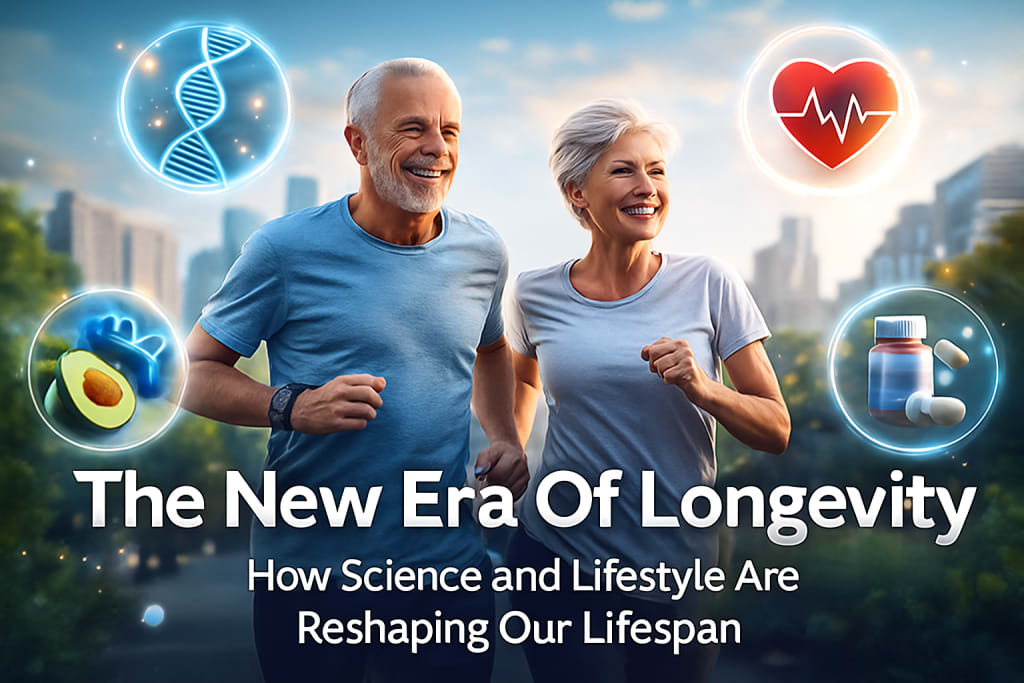
Longevity has become one of the most fascinating topics of our time. Once the realm of myth and speculation, the idea of significantly extending human life is now supported by real scientific progress, shifting cultural attitudes, and a growing movement focused on living not only longer but healthier. Today, longevity is no longer defined simply by the number of years lived, but by the quality, energy, and purpose that fill those years. As research advances and awareness spreads, more people are beginning to see extended healthspan as both achievable and worth striving for.
At its core, longevity is about slowing the processes that lead to aging. Aging itself is complex, influenced by genetics, environment, lifestyle, and chance. While we cannot control every factor, scientists have discovered that many aspects of aging can indeed be influenced. This has given rise to the idea that the trajectory of our lives is far more flexible than previously believed. Instead of accepting declining health as an inevitability, individuals now have the opportunity to shape their long-term well-being through daily habits and informed decisions.
One of the most significant breakthroughs in longevity research is the understanding of cellular aging. Our cells experience wear and tear over time, and factors such as oxidative stress, inflammation, and DNA damage contribute to this process. However, studies have shown that certain interventions, including caloric moderation, regular exercise, and specific nutrients, can protect cells and even encourage regeneration. For example, exercise triggers a wide range of beneficial responses—from improved mitochondrial function to reduced inflammation—that support long-term health in almost every system of the body. Meanwhile, diets rich in whole foods, healthy fats, fiber, and antioxidants appear to reduce oxidative stress and support metabolic balance, both of which are essential to aging well.
While lifestyle remains a powerful component of longevity, modern science is also developing innovative tools that may redefine what is possible. Advances in biotechnology, from gene editing to senolytic drugs, aim to address the underlying mechanisms of aging at the molecular level. Senolytics, for instance, are designed to target senescent cells—the dysfunctional cells that accumulate with age and contribute to chronic inflammation. Early research shows promise in reducing age-related decline and improving tissue function. Similarly, gene therapies and epigenetic interventions are being explored as potential ways to reset or repair biological systems that naturally deteriorate over time.
Yet, longevity is not purely a scientific pursuit. It is deeply connected to our daily choices, social relationships, mental health, and sense of purpose. Studies consistently show that strong social bonds and a positive outlook play a significant role in determining lifespan. People who maintain close connections with friends and family tend to experience lower levels of stress and are more likely to stay active and engaged. Psychological resilience, including a strong sense of purpose or meaning, has also been linked with better health outcomes and increased longevity. These findings remind us that while technology can play a role, the human dimension of life remains irreplaceable.
Sleep is another essential factor often underestimated in the longevity conversation. Quality sleep supports cognitive function, hormone regulation, immune strength, and cellular repair. Unfortunately, modern lifestyles often disrupt natural sleep cycles, contributing to long-term health issues. Prioritizing good sleep hygiene—such as maintaining a consistent sleep schedule and reducing exposure to screens before bedtime—can dramatically influence healthspan. Although simple, these habits form the foundation of a long and vibrant life.
Stress management is equally critical. Chronic stress accelerates aging by elevating cortisol levels and promoting inflammation, leading to increased risk of heart disease, cognitive decline, and metabolic dysfunction. Practices such as meditation, breathwork, time in nature, and mindful movement provide powerful tools for managing stress. Incorporating even brief moments of calm into daily routines can shift the body into a more balanced state, supporting long-term health.
Emerging research also highlights the importance of metabolic health in longevity. Conditions like insulin resistance, chronic inflammation, and high blood pressure are often described as “silent killers” because they progress slowly but have far-reaching effects. Maintaining balanced blood sugar, stable energy levels, and a healthy weight contributes significantly to longevity. Strategies such as incorporating regular movement, managing food intake, and choosing nutrient-dense meals can all help improve metabolic function.
At the same time, longevity is not solely about extending the number of years lived. Increasingly, people are focusing on healthspan, the period of life spent in good health and free from significant chronic disease. The goal is to remain active, independent, and mentally sharp for as long as possible. This shift in emphasis highlights the importance of functional strength, mobility, and cognitive wellness. Activities like resistance training, balance exercises, and mentally stimulating hobbies contribute to sustained physical and mental performance, enabling individuals to enjoy life more fully throughout the aging process.
The global interest in longevity has also spurred the rise of personalized health approaches. People now have access to biomarkers, genetic tests, and wearable devices that provide real-time insights into their health. These tools help individuals identify risk factors early, monitor progress, and make informed choices tailored to their unique physiology. Personalized health represents a transformative development, turning longevity from a generalized concept into a customized journey.
As the science evolves and public interest grows, longevity is shaping new cultural perspectives. Instead of viewing aging as a decline, many now see it as an opportunity for continued growth, learning, and reinvention. The rise of lifelong education, flexible work arrangements, and wellness-focused communities reflects this shift. By embracing both scientific advancements and holistic lifestyle practices, individuals can look forward to more productive, vibrant years.
In the end, longevity is about creating a life filled with vitality, purpose, and possibility. While no single strategy guarantees a longer life, the combination of mindful lifestyle choices, emerging technologies, and a positive mindset offers a powerful path forward. As research continues to uncover the secrets of aging, and more people take an active role in shaping their health, the promise of an extended, fulfilling lifespan becomes increasingly attainable. The pursuit of longevity is not just about adding years to life but adding life to years—a vision that is already becoming a reality for millions around the world.
About the Creator
Kyle Butler
Sharing fascinating facts and insights from every category, with a special passion for longevity and healthy living. Join me on a journey to discover the secrets of a longer, better life.
Keep reading
More stories from Kyle Butler and writers in Longevity and other communities.
Stronger for Longer: How Exercise Shapes the Path to Longevity
Introduction Few interventions are as consistently linked to longevity as physical activity. While genetics influence lifespan, lifestyle choices play a much bigger role in determining how long and how well we live. Exercise is often seen mainly as a way to manage weight or build muscle. However, it is one of the strongest tools for slowing biological aging. From protecting the heart to sharpening the mind, physical activity impacts every system in the body. For those looking to add both years and vitality to life, regular exercise is essential for healthy aging.
By Kyle Butler5 months ago in Longevity
Day 4 of Quitting
If this is how sobriety feels, maybe it’s better to go through life a little buzzed… this, along with other hits like, I want to kill myself, I wish I was dead, and I’m going to throw myself off a bridge have been the only thoughts on rotation these past few days. I promise myself that if, in a month, I still feel like this (‘this’ meaning despondent, full of rage, and simultaneously numb) I can go back to smoking. Until mid-February though? Nicotine is off the table.
By sleepy drafts11 days ago in Longevity
Clinical Trials Market Companies Analysis: Industry Leaders Driving Global Innovation
Clinical Trials Market Overview The Clinical Trials Market is undergoing rapid transformation as the global healthcare ecosystem shifts toward innovation, precision medicine, and accelerated drug development. According to Renub Research, the clinical trials industry is expected to expand lucratively to an estimated value of US$ 99.25 billion by 2033, up from US$ 58.39 billion in 2024, reflecting a compound annual growth rate (CAGR) of 6.07% between 2025 and 2033.
By Aaina Oberoi7 days ago in Longevity



Comments
There are no comments for this story
Be the first to respond and start the conversation.