
The length of life, the heartbeat knows! How many jumps in 1 minute is the healthiest time? Latest Research ......
Have you ever paid attention to your heart rate?

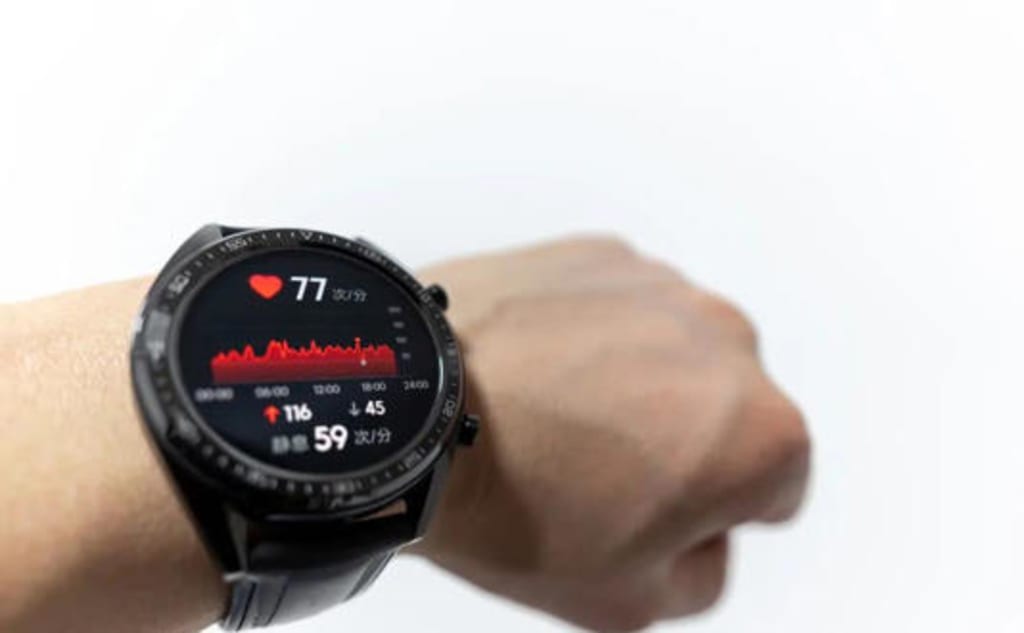
Have you ever paid attention to your heart rate?
The oxygen and carbon dioxide we breathe, the nutrients we ingest and the metabolic waste we excrete, as well as the biological signaling molecules involved in various physiological and pathological functions, all rely on the blood to carry and transport, and the heart is the core power source of blood flow. Heart rate, the rate at which the heart beats per minute, reflects the basic state of the heart's work.
The number of times the heart beats per minute in a quiet, awake, inactive state is called a "resting heart rate." Medically, the normal value of resting heart rate in adults is 60~100 beats/min. Resting heart rate is one of the parameters of vital signs and is a very important physiological indicator.

A resting heart rate of more than 100 beats per minute is called "tachycardia", which can be caused by various physiological or pathological factors such as alcohol, caffeine, tobacco, certain drug intake, nervousness, anxiety, fever, lack of sleep, anemia, obesity, hyperthyroidism, water and electrolyte disorders, and heart attacks; A resting heart rate of less than 60 beats per minute is called "bradycardia", which can be caused by water and electrolyte disorders, some medications, myocardial inflammatory diseases, cardiac aging, autoimmune diseases, hypothyroidism and other factors, and healthy people who exercise regularly can also have bradycardia, and the resting heart rate of athletes can be as low as more than 40 beats per minute.
Tachycardia can make people feel chest tightness, palpitation, and long-term high-load operation of the heart also has potential cardiovascular health risks. Bradycardia is a normal phenomenon for people who exercise regularly, and it is a manifestation of a stronger and more efficient heart after exercise, but if it is bradycardia caused by disease, it means that the heart is not able to maintain a normal frequency of beating, and the body will therefore have insufficient blood supply, and people will be prone to dizziness and fatigue, and even confusion, fainting and even sudden death in severe cases. Therefore, tachycardia, or bradycardia with uncomfortable symptoms of ischemia and hypoxia, it is necessary to seek medical attention in time. When clinicians encounter patients with abnormal heart rates, they also need to carefully screen, find the triggers, and treat them accordingly.
So, is it okay to sit back and relax if your heart rate is within the normal range? As one of the most industrious organs in the human body, is there a difference between good travel and hard work for health?
Actually, there is.
The faster the resting heart rate, the lower the lifespan.
A recent study published in Nature included more than 10,000 healthy participants without initial cardiovascular disease in three countries, spanning decades, and found that there was a statistically significant association between increased resting heart rate and reduced life expectancy in both men and women. Among them, the statistics of 7976 men in France showed that there is an inverse linear relationship between resting heart rate and life expectancy, that is, the faster the heart rate, the lower the life expectancy. The group with the lowest resting heart rate (≤60 beats per minute) lived an average of 9 years longer than the highest group (>90 beats per minute).

In the cohort study in the United States, which included 3299 male and 4001 female subjects, resting heart rate was inversely correlated with longevity in both men and women of more than 4,000 deceased subjects. But in each of the same resting heart rate groupings, women lived longer than men (an average of 5 years).

As early as 1997, the Journal of the American College of Cardiology (JACC) published a review that concluded that resting heart rate is inversely related to life expectancy in mammals. However, due to the lack of retrospective analyses of large populations, the authors were unable to draw a definitive conclusion about the relationship between heart rate slowing and human lifespan.
Over the years, more studies have confirmed the relationship between resting heart rate and life expectancy.
Across the animal kingdom, there is a universal link between heart rate and life expectancy across species. For example, the heart rate of rats is generally 400~600 / min, and the lifespan is generally several years; The resting heart rate of whales is generally 30~40 beats per minute, and the lifespan can reach decades. In animal experiments, a 14% reduction in lifetime resting heart rate in mice with a drug increased median lifespan by 6%, a significant difference from the placebo group, meaning that resting heart rate itself can be an independent factor affecting life expectancy.
In population-based studies, individuals with higher resting heart rates tended to have higher blood pressure and body mass index, lower levels of physical activity, and worse lung function. These features are associated with a higher risk of cardiovascular disease. Elevated resting heart rate is also associated with an increase in inflammatory factors, an increase in adverse cardiovascular events, and a poor prognosis for cardiovascular disease, which may explain the specific mechanism by which resting heart rate affects life expectancy.
In addition, domestic public health scholars have also conducted a prospective cohort study of 17,886 elderly people over 80 years old in America, and also found that the risk of all-cause mortality increases with the increase of resting heart rate.
These methods
Can reduce heart rate healthily?
So, since keeping a low resting heart rate has such obvious longevity effects, what can be done to lower our heart rate healthily? In fact, there are still some cliché methods, simple but effective:
1. Eat a balanced diet, exercise regularly, and maintain an appropriate weight;
2. Try to get enough and regular sleep
3. Try to keep the environment cool, comfortable and well ventilated;
4. Try not to smoke or drink;
5. If coffee, tea and other beverages cause panic and discomfort, it is necessary to appropriately reduce the intake of caffeine beverages;
6. Pay attention to mental health and try to maintain a peaceful state of mind.
In daily life, it is best to develop the habit of regular self-measurement of heart rate or wear heart rate monitoring equipment, if you find that the heart rate is persistently high, or the heart rate is persistently low and accompanied by dizziness, fatigue and other ischemic manifestations, seek medical attention in time to find out the cause. However, it is important to note that while lowering your heart rate is good for your health, the process needs to be gradual and not rushed. Whether it's physical exercise or weight control, you need long-term persistence and a long stream of water to see results. If you are in a hurry and cause a sports injury, or if you are emotionally anxious because of the slow results, the gains outweigh the losses.
References
[1] Sekiguchi Y, Adams WM, Benjamin CL, Curtis RM, Giersch GEW, Casa DJ. Relationships between resting heart rate, heart rate variability and sleep characteristics among female collegiate cross-country athletes. J Sleep Res. 2019;28(6):e12836. doi:10.1111/jsr.12836
[1] Sekiguchi Y, Adams WM, Benjamin CL, Curtis RM, Giersch GEW, Casa DJ. Relationships between resting heart rate, heart rate variability and sleep characteristics among female collegiate cross-country athletes. J Sleep Res. 2019; 28(6):e12836. doi:10.1111/jsr.12836
[2] Gaye B, Valentin E, Xanthakis V, et al. Association between change in heart rate over years and life span in the Paris Prospective 1, the Whitehall 1, and Framingham studies [published correction appears in Sci Rep. 2024 Sep 6;14(1):20868. doi: 10.1038/s41598-024-72000-2]. Sci Rep. 2024;14(1):20052. Published 2024 Aug 29. doi:10.1038/s41598-024-70806-8
[2] Gaye B, Valentin E, Xanthakis V, et al. Association between change in heart rate over years and life span in the Paris Prospective 1, the Whitehall 1, and Framingham studies [published correction appears in Sci Rep. 2024 Sep 6; 14(1):20868. doi: 10.1038/s41598-024-72000-2]. Sci Rep. 2024; 14(1):20052. Published 2024 Aug 29. doi:10.1038/s41598-024-70806-8
[3] Levine HJ. Rest heart rate and life expectancy. J Am Coll Cardiol. 1997;30(4):1104-1106. doi:10.1016/s0735-1097(97)00246-5
[3] Levine HJ. Rest heart rate and life expectancy. J Am Coll Cardiol. 1997; 30(4):1104-1106. doi:10.1016/s0735-1097(97)00246-5
[4] Jensen MT. Resting heart rate and relation to disease and longevity: past, present and future. Scand J Clin Lab Invest. 2019 Feb-Apr;79(1-2):108-116. doi: 10.1080/00365513.2019.1566567. Epub 2019 Feb 14. PMID: 30761923.
[4] Jensen MT. Resting heart rate and relation to disease and longevity: past, present and future. Scand J Clin Lab Invest. 2019 Feb-Apr; 79(1-2):108-116. doi: 10.1080/00365513.2019.1566567. Epub 2019 Feb 14. PMID: 30761923.
[5] Noujaim SF, Lucca E, Muñoz V, et al. From mouse to whale: a universal scaling relation for the PR Interval of the electrocardiogram of mammals [published correction appears in Circulation. 2005 Jan 25:111(3):379]. Circulation. 2004;110(18):2802-2808. doi:10.1161/01.CIR.0000146785.15995.67
[5] Noujaim SF, Lucca E, Muñoz V, et al. From mouse to whale: a universal scaling relation for the PR Interval of the electrocardiogram of mammals [published correction appears in Circulation. 2005 Jan 25:111(3):379]. Circulation. 2004; 110(18):2802-2808. doi:10.1161/01.CIR.0000146785.15995.67
[6] Gent S, Kleinbongard P, Dammann P, Neuhäuser M, Heusch G. Heart rate reduction and longevity in mice. Basic Res Cardiol. 2015;110(2):2. doi:10.1007/s00395-014-0460-7
[6] Gent S, Kleinbongard P, Dammann P, Neuhäuser M, Heusch G. Heart rate reduction and longevity in mice. Basic Res Cardiol. 2015; 110(2):2. doi:10.1007/s00395-014-0460-7
[7] Cheng X, Li ZH, Lyu YB, et al. Zhonghua Yu Fang Yi Xue Za Zhi. 2021;55(1):53-59. doi:10.3760/cma.j.cn112150-20200629-00944
[7] Cheng X, Li ZH, Lyu YB, et al. Zhonghua Yu Fang Yi Xue Za Zhi. 2021; 55(1):53-59. doi:10.3760/cma.j.cn112150-20200629-00944
About the Creator
pan jay
Hello, I'm [pan jay] a ealth enthusiast promoting balanced living. I focus on nutrition, exercise, and mental well-being to inspire others to lead a healthier life. Join me on this journey towards wellness!
Day 4 of Quitting
If this is how sobriety feels, maybe it’s better to go through life a little buzzed… this, along with other hits like, I want to kill myself, I wish I was dead, and I’m going to throw myself off a bridge have been the only thoughts on rotation these past few days. I promise myself that if, in a month, I still feel like this (‘this’ meaning despondent, full of rage, and simultaneously numb) I can go back to smoking. Until mid-February though? Nicotine is off the table.
By sleepy drafts16 days ago in Longevity
Global Microcarrier Market Trends & Summary: The Backbone of Modern Cell-Based Biomanufacturing
Introduction: Why Microcarriers Matter in the Age of Advanced Medicine As the biopharmaceutical industry rapidly shifts toward biologics, cell therapies, and gene-based treatments, the need for scalable, efficient, and reproducible cell culture systems has never been greater. At the heart of this transformation lies a small but essential component of modern bioprocessing: microcarriers.
By Renub Research2 days ago in Longevity


Comments
There are no comments for this story
Be the first to respond and start the conversation.