
Weight Loss Doesn’t Mean Going Hungry: How to Maintain Nutritional Balance While Dieting
Weight Loss Doesn’t Mean Going Hungry


When it comes to weight loss, the idea of dieting often brings images of extreme calorie restriction and constant hunger. Many people mistakenly believe that the only way to lose weight is to eat less and suffer through hunger pangs. But the truth is, weight loss doesn’t have to involve starving yourself. The key is finding a balance that allows you to reduce your calorie intake while still giving your body the nutrition it needs to stay healthy and energized. In this article, we’ll explore how you can maintain that balance and achieve your weight loss goals without compromising your well-being.

Dieting vs. Healthy Eating: What’s the Difference?
It’s important to understand the difference between dieting and healthy eating.
Dieting typically refers to eating less to cut calories, often without considering the nutritional content of the food. Many fad diets fall into this category, offering extreme restrictions on food intake.
Healthy eating, on the other hand, focuses on balanced nutrition, providing the right amounts of protein, fats, and carbohydrates, as well as essential vitamins and minerals. When you focus on healthy eating, you’re not just cutting calories—you’re ensuring that your body still gets the nutrients it needs to function properly.
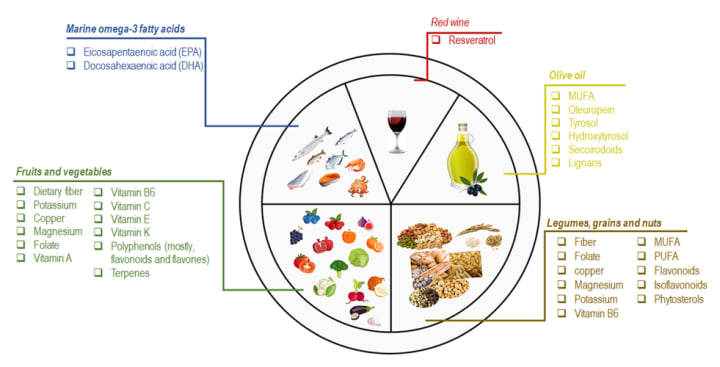
How to Maintain Nutritional Balance While Dieting
1.nsure Adequate Protein Intake
Protein is essential for preserving muscle mass, especially during weight loss. When you lose weight, you don’t just want to lose fat—you want to retain as much muscle as possible. Foods like chicken, turkey, fish, eggs, beans, and low-fat dairy are excellent sources of protein. Aim to include some protein in every meal to keep your muscles intact and your metabolism humming.
2.Incorporate Healthy Fats
Healthy fats, like those found in avocados, olive oil, nuts, and seeds, help you feel full and satisfied, which can reduce cravings and prevent overeating. Plus, they’re essential for absorbing fat-soluble vitamins like A, D, E, and K. Don’t shy away from healthy fats—just make sure they come from natural, unprocessed sources.
3.Fill Up on Fiber
Fiber is your best friend when it comes to weight loss. High-fiber foods like whole grains, fruits, vegetables, and legumes not only help you feel fuller longer but also improve digestion. Including fiber in your meals will support weight loss without the need for drastic calorie cuts.
4.Mind Your Calorie Intake
While it’s important to create a calorie deficit for weight loss, slashing your calories too drastically can leave you feeling deprived and sluggish. Aim for a moderate reduction in calories, and remember that you can still lose weight while eating enough to fuel your body. Try to focus on nutrient-dense foods that are low in calories but high in vitamins and minerals.
5.Don’t Forget Micronutrients
Vitamins and minerals play an important role in everything from energy production to immune function. When you reduce your calorie intake, it’s crucial to still meet your body’s micronutrient needs. Foods like leafy greens, berries, and nuts provide a wealth of micronutrients that will support your health as you lose weight.
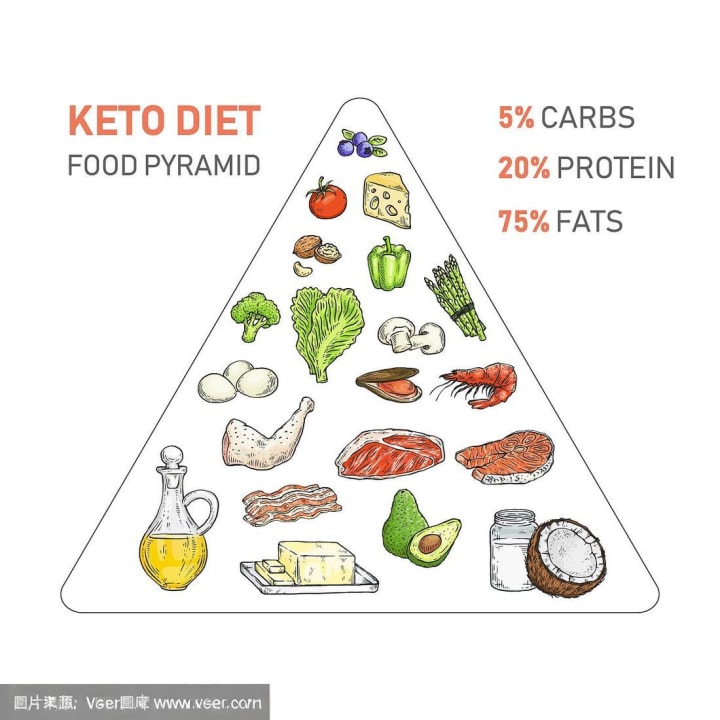
Real-Life Examples: How to Balance Weight Loss and Nutrition
Case 1: Sarah’s Healthy Weight Loss Journey
Sarah tried several fad diets in the past but always felt tired and hungry. She would drop a few pounds, but eventually, the weight would come back. This time, Sarah decided to follow a balanced approach. She made sure to eat lean proteins, healthy fats, and plenty of vegetables. Over three months, she lost 15 pounds and noticed she had more energy and felt better than ever before. Her approach wasn’t about starving herself—it was about nourishing her body with the right foods.
Case 2: Tom’s Fat Loss Experience
Tom, an active individual who loved to work out, found that restricting his calories too much left him feeling weak and unmotivated. Instead, he adjusted his eating habits by eating more nutrient-dense meals with moderate portions. He increased his protein intake and added more vegetables, and within two months, his body fat percentage dropped significantly. Tom’s weight loss wasn’t just about eating less—it was about eating smarter.
Frequently Asked Questions (FAQs)
Q1: Why am I still hungry even though I’ve reduced my calories?
A1: If you’re only reducing calories without focusing on nutrition, you might not be getting enough protein or fiber, which help keep you feeling full. Make sure to include high-protein, high-fiber foods in your meals to curb hunger.
Q2: How can I ensure I’m getting enough vitamins while dieting?
A2: Focus on eating a wide variety of whole foods, including plenty of fruits and vegetables. If necessary, consult with a nutritionist to help you plan meals that cover all your nutritional needs.
Conclusion: Smart Weight Loss, Healthy Eating
Remember, weight loss doesn’t mean starving yourself or cutting out entire food groups. It’s about smart, sustainable changes to your eating habits. By focusing on nutritional balance—getting the right amounts of protein, healthy fats, fiber, and micronutrients—you can lose weight without feeling deprived. The key is consistency and making choices that nourish your body while helping you reach your weight loss goals.
About the Creator
pan jay
Hello, I'm [pan jay] a ealth enthusiast promoting balanced living. I focus on nutrition, exercise, and mental well-being to inspire others to lead a healthier life. Join me on this journey towards wellness!
Day 4 of Quitting
If this is how sobriety feels, maybe it’s better to go through life a little buzzed… this, along with other hits like, I want to kill myself, I wish I was dead, and I’m going to throw myself off a bridge have been the only thoughts on rotation these past few days. I promise myself that if, in a month, I still feel like this (‘this’ meaning despondent, full of rage, and simultaneously numb) I can go back to smoking. Until mid-February though? Nicotine is off the table.
By sleepy drafts16 days ago in Longevity
Alert Issued as Pakistan Braces for Widespread Rains Today
An official weather alert has been issued as Pakistan prepares for widespread rainfall today, with authorities warning of possible urban flooding, travel disruption, and safety risks in several regions. The system, driven by moist air currents and changing weather patterns, is expected to affect major cities as well as rural areas. Officials are urging citizens to stay informed, avoid unnecessary travel, and take precautionary steps as the country faces another episode of intense weather. What the Weather Alert Says According to meteorological authorities, rain is expected to begin early today and continue through the day in many parts of the country. Some regions may experience moderate to heavy rainfall, while others could see thunderstorms accompanied by gusty winds. The alert highlights risks such as: Water accumulation in low-lying areas Reduced visibility on roads Possible landslides in hilly regions Temporary power disruptions While rain is a welcome relief in some areas, officials warn that sudden downpours can quickly create dangerous conditions. Regions Likely to Be Affected Widespread rainfall is forecast across several provinces, including: Punjab, where urban flooding is a concern in major cities Sindh, particularly in coastal and lower-lying districts Khyber Pakhtunkhwa, where hilly terrain raises landslide risks Balochistan, where rain may disrupt travel and daily routines Major urban centers are also expected to feel the impact, with drainage systems likely to be tested during periods of heavy rain. Impact on Daily Life and Travel Rainfall on this scale can significantly disrupt everyday life. Road Conditions Wet roads, standing water, and slippery surfaces increase the risk of traffic accidents. Authorities advise drivers to: Reduce speed Maintain safe distances Avoid flooded streets Follow traffic updates Motorcyclists and pedestrians are especially vulnerable during heavy rain. Public Transport Delays are expected on roads and public transport routes. In some areas, services may be suspended if conditions worsen. Air and rail travel could also face delays, depending on weather intensity and visibility. Urban Flooding Concerns Urban flooding remains a serious concern in many Pakistani cities due to: Aging drainage infrastructure Blocked stormwater systems Rapid and unplanned urban development Even short periods of heavy rain can overwhelm drains, causing water to collect on streets and enter homes and shops. Local authorities have placed emergency teams on standby to respond to complaints and clear blockages. Risks in Rural and Hilly Areas In rural regions, rainfall can damage crops, unpaved roads, and homes made from weaker materials. Farmers are advised to take steps to protect stored produce and livestock. In northern and hilly areas, rain increases the risk of: Landslides Flash floods Road closures Residents in these regions are encouraged to remain cautious and avoid travel during peak rainfall hours. Power and Infrastructure Preparedness Heavy rain and thunderstorms can put pressure on electricity and communication systems. Power outages may occur if: Trees fall on power lines Equipment is damaged by water Strong winds disrupt connections Citizens are advised to: Charge mobile phones in advance Keep flashlights and backup power ready Report downed power lines immediately Health and Safety Advice Health experts remind the public that rain-related hazards go beyond flooding. To stay safe: Avoid walking through standing water Keep children away from open drains Drink clean, safe water Watch for signs of waterborne illness Mosquito breeding can also increase after rainfall, making preventive measures important in the days that follow. Why Weather Alerts Matter Weather alerts are issued to reduce risk and save lives. Ignoring warnings can lead to avoidable accidents and emergencies. Authorities emphasize that preparation does not require panic—only awareness and simple steps, such as: Staying updated through official channels Planning travel carefully Securing outdoor items Checking drainage around homes Being informed helps communities respond calmly and effectively. Climate Patterns and Changing Weather Experts note that Pakistan has been experiencing more frequent and intense weather events in recent years. Sudden heavy rains, heatwaves, and storms are becoming less predictable. While today’s rain is part of seasonal patterns, changing climate conditions may be contributing to greater variability and intensity, making early warnings more important than ever. Final Thoughts As Pakistan braces for widespread rains today, the message from authorities is clear: stay alert, stay informed, and prioritize safety. While rain brings relief to dry regions, it also carries risks that require caution and preparedness. With timely action and public cooperation, the impact of severe weather can be reduced. Simple precautions—avoiding flooded roads, following official guidance, and looking out for vulnerable neighbors—can make a meaningful difference. The rain may pass, but responsible response today can help prevent lasting damage tomorrow.
By Fiaz Ahmed 2 days ago in Longevity


Comments
There are no comments for this story
Be the first to respond and start the conversation.