
The Importance of Self-Care for Mental Health: More Than a Luxury, It's a Lifeline
Discover how daily self-care habits can strengthen your mental health, prevent burnout, and improve emotional resilience for a more balanced life

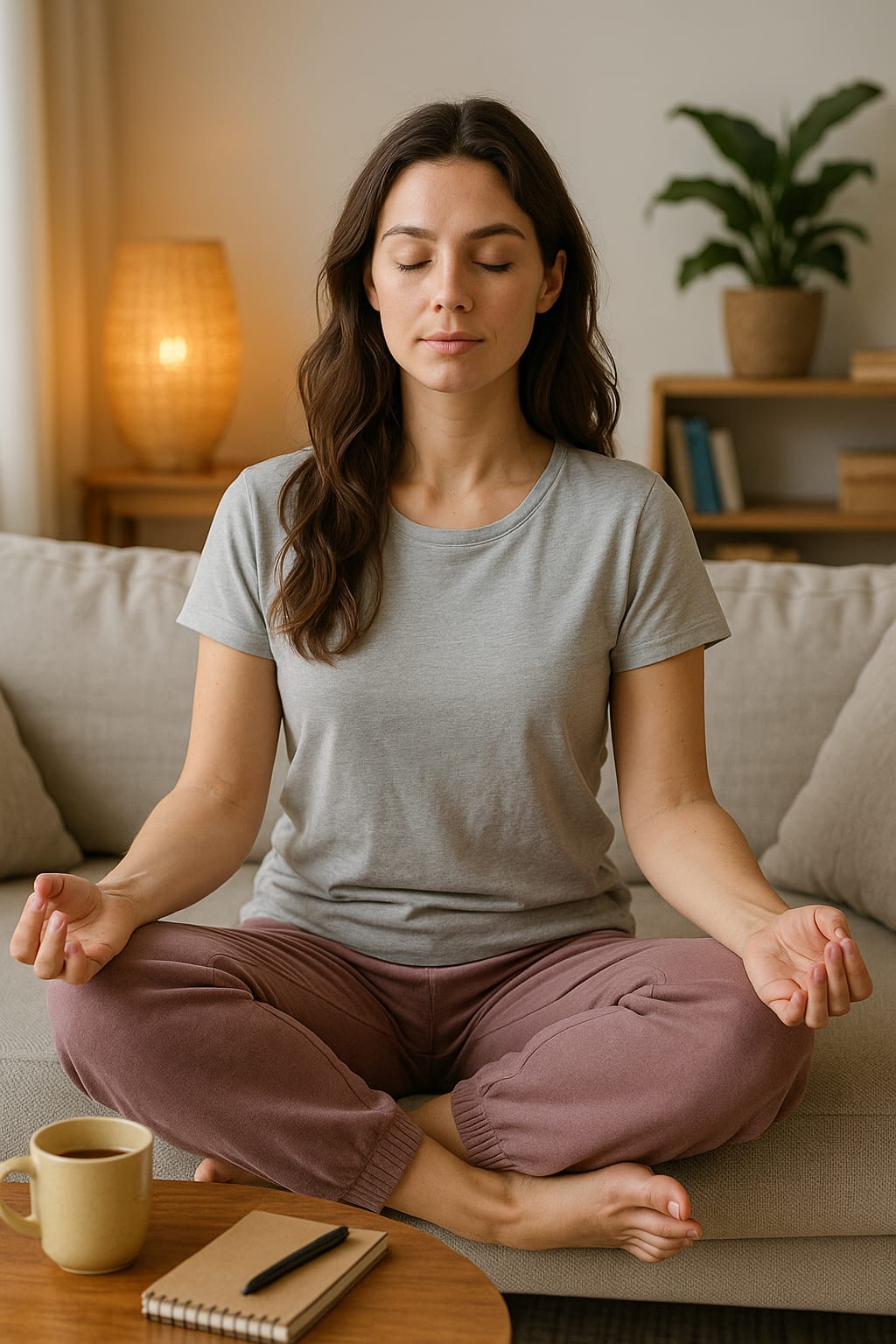
Redefining Self-Care
Self-care is often misunderstood. For some, it conjures images of spa days, scented candles, and cozy nights with a good book. While those things can be part of self-care, the true essence of it goes much deeper.
At its core, self-care is a commitment, a promise to yourself that your mental health matters and that you’re willing to take proactive steps to support it.
In today’s culture of overworking, overcommitting, and constantly being connected, self-care is not a luxury reserved for the privileged. It’s a lifeline for anyone navigating the emotional and psychological challenges of modern life.
What Is Self-Care, Really?
To define self-care, we must go beyond surface-level acts of relaxation. Self-care is the deliberate practice of activities that support your emotional, mental, and physical well-being.
It includes things that are nourishing and restorative, but also sometimes challenging or uncomfortable.
It’s not just about what feels good in the moment. It’s about what helps you function, recover, and thrive in the long term.
Examples of real self-care include:
- Saying no to extra responsibilities when your plate is already full
- Taking regular breaks at work to prevent burnout
- Getting regular health checkups
- Maintaining a balanced diet even when convenience foods are tempting
- Seeking therapy or counseling when needed
- Turning off social media when it’s impacting your mental space
- Making time for creative or spiritual practices that help you feel whole
- Self-care is not selfish. It’s self-respect in action.
The Link Between Self-Care and Mental Health
Mental health includes our emotional, psychological, and social well-being. It affects how we think, feel, and act. It also determines how we handle stress, relate to others, and make choices.
When you neglect self-care, you’re more vulnerable to emotional imbalance. You might find yourself overwhelmed by even small tasks, snapping at loved ones, or feeling too drained to enjoy life. Over time, this chronic neglect can spiral into anxiety disorders, depression, or burnout.
By practicing regular self-care, you give your brain and body the resources they need to recover from stress and return to a balanced state.
Think of it as mental hygiene: just like brushing your teeth prevents cavities, daily self-care prevents emotional decay.
How Self-Care Builds Psychological Resilience
Resilience is your ability to bounce back after setbacks. It’s not about avoiding pain, it’s about recovering from it.
Self-care builds resilience by helping your mind rest, reset, and re-center. Here’s how different self-care practices contribute:
1. Sleep: The Foundation of Mental Clarity
Chronic sleep deprivation is linked to poor concentration, irritability, and a greater risk of depression and anxiety. Quality sleep allows your brain to consolidate memories, regulate emotions, and flush out stress-related chemicals.
Even just one night of poor sleep can impair your mood and problem-solving ability. Establishing a consistent sleep routine, going to bed, and waking at the same time each day, can drastically improve emotional regulation and energy levels.
2. Nutrition: Feeding Your Mood
Your brain needs nutrients to function properly. Omega-3 fatty acids, B vitamins, magnesium, and protein all support neurotransmitter function, mood regulation, and energy production.
Processed foods high in sugar, refined carbs, and trans fats can create spikes and crashes in blood sugar, leading to irritability and mental fatigue. A balanced diet stabilizes your energy and supports a more even emotional baseline.
3. Physical Movement: Nature’s Antidepressant
Exercise triggers the release of endorphins, natural mood boosters. It also reduces cortisol (the stress hormone), helps regulate sleep patterns, and builds confidence.
You don’t need to run marathons. A daily walk, a few yoga stretches, or a 20-minute home workout can be enough to improve mood and reduce symptoms of anxiety or depression.
4. Stillness: Reclaiming Mental Space
Meditation, journaling, deep breathing, or even quiet time in nature allows your mind to process emotions instead of suppressing them. These moments of stillness help your nervous system shift out of “fight or flight” mode and into “rest and digest.”
When your body is calm, your thoughts follow.
5. Social Support: The Power of Connection
Humans are wired for connection. Having people to confide in and lean on during hard times increases resilience and reduces feelings of isolation.
Regular social connection, whether through friendships, family bonds, or support groups, can act as a powerful buffer against stress, depression, and loneliness.
Why “Busy” Is Not an Excuse
Many people view self-care as something to do after the work is done. But in reality, it’s what makes the work sustainable in the first place.
Without regular self-care, your productivity, focus, and emotional control will slowly erode. You’ll become reactive instead of thoughtful. Exhausted instead of energized. And in the long run, your mental and physical health will pay the price.
Self-care doesn’t need to be time-consuming. It can be:
- A 10-minute walk between meetings
- Saying no to a social event when you’re overwhelmed
- Pausing for a few deep breaths when you’re stressed
- Drinking water and eating something nourishing
- Spending five minutes in silence before bed
- It’s less about the size of the act and more about the intention behind it.
Early Warning Signs You’re Neglecting Self-Care
Learning to recognize the signs of emotional fatigue can help you take action before a full breakdown happens. Here are key signals:
- Chronic tiredness, even after rest
- Increased irritability or mood swings
- A feeling of detachment or numbness
- Difficulty concentrating or making decisions
- Overeating, undereating, or changes in appetite
- Increased use of substances (alcohol, caffeine, social media, etc.)
- Withdrawal from social interactions
If these symptoms sound familiar, it’s time to reassess your routine and make room for self-repair.
Creating a Personalized Self-Care Strategy
There’s no one-size-fits-all plan. Your self-care should be as unique as your fingerprint. Consider these categories when designing a sustainable routine:
- Physical self-care: Movement, nutrition, sleep
- Emotional self-care: Journaling, therapy, expressing emotions safely
- Social self-care: Time with loved ones, boundary-setting
- Spiritual self-care: Meditation, prayer, time in nature
- Mental self-care: Reading, learning, engaging in hobbies
You don’t need to do it all at once. Start with one small change and build from there.
Long-Term Benefits of Consistent Self-Care
When practiced regularly, self-care becomes a lifestyle, not an emergency response. Over time, you’ll notice:
- Greater emotional stability
- Increased ability to manage stress
- More fulfilling relationships
- Stronger sense of identity and purpose
- Less frequent and intense mental health dips
- A sense of confidence and self-compassion that grows from within
Self-care helps you operate from a place of fullness, rather than survival.
Protecting Your Most Valuable Resource
You are not a machine. You are a complex, feeling, thinking human being with limits, needs, and vulnerabilities. To live well and love well, you must take care of the vessel you live in, your body, your mind, and your soul.
When you prioritize self-care, you're not just enhancing your mental health. You're reclaiming your agency. You’re saying, “I matter.” And when you consistently treat yourself with care, you begin to believe it.
So start today. Not next week. Not when life gets easier. The road to better mental health begins with a single, deliberate act of kindness toward yourself.
About the Creator
Richard Bailey
I am currently working on expanding my writing topics and exploring different areas and topics of writing. I have a personal history with a very severe form of treatment-resistant major depressive disorder.
Keep reading
More stories from Richard Bailey and writers in Longevity and other communities.
Plant-Based Diet for Weight Loss and Energy: A Beginner's Guide
Trying to lose weight while boosting energy can feel like a tug-of-war. You cut calories, and suddenly you're dragging through the day. But what if there was a way to do both, trim fat and stay fueled, without counting every bite or feeling deprived?
By Richard Bailey7 months ago in Longevity
Day 4 of Quitting
If this is how sobriety feels, maybe it’s better to go through life a little buzzed… this, along with other hits like, I want to kill myself, I wish I was dead, and I’m going to throw myself off a bridge have been the only thoughts on rotation these past few days. I promise myself that if, in a month, I still feel like this (‘this’ meaning despondent, full of rage, and simultaneously numb) I can go back to smoking. Until mid-February though? Nicotine is off the table.
By sleepy drafts12 days ago in Longevity
Inside the Global Cosmetics Market: Trends Shaping the Future of Beauty
Cosmetics Market Overview The global cosmetics market is a vibrant and consumer-driven industry that reflects changing lifestyles, beauty standards, and wellness priorities. Encompassing skincare, haircare, makeup, fragrances, and personal grooming products, the market continues to expand as consumers place greater emphasis on self-expression, confidence, and overall well-being. Social media, influencer culture, and digital-first brands have reshaped how beauty products are discovered and purchased, making innovation and authenticity essential for success in this competitive landscape.
By James Smith4 days ago in Longevity




Comments
There are no comments for this story
Be the first to respond and start the conversation.