
Plant-Based Diet for Weight Loss and Energy: A Beginner's Guide
Discover how a plant-based diet can help you lose weight naturally, boost daily energy, and feel better—without counting calories or sacrificing flavor

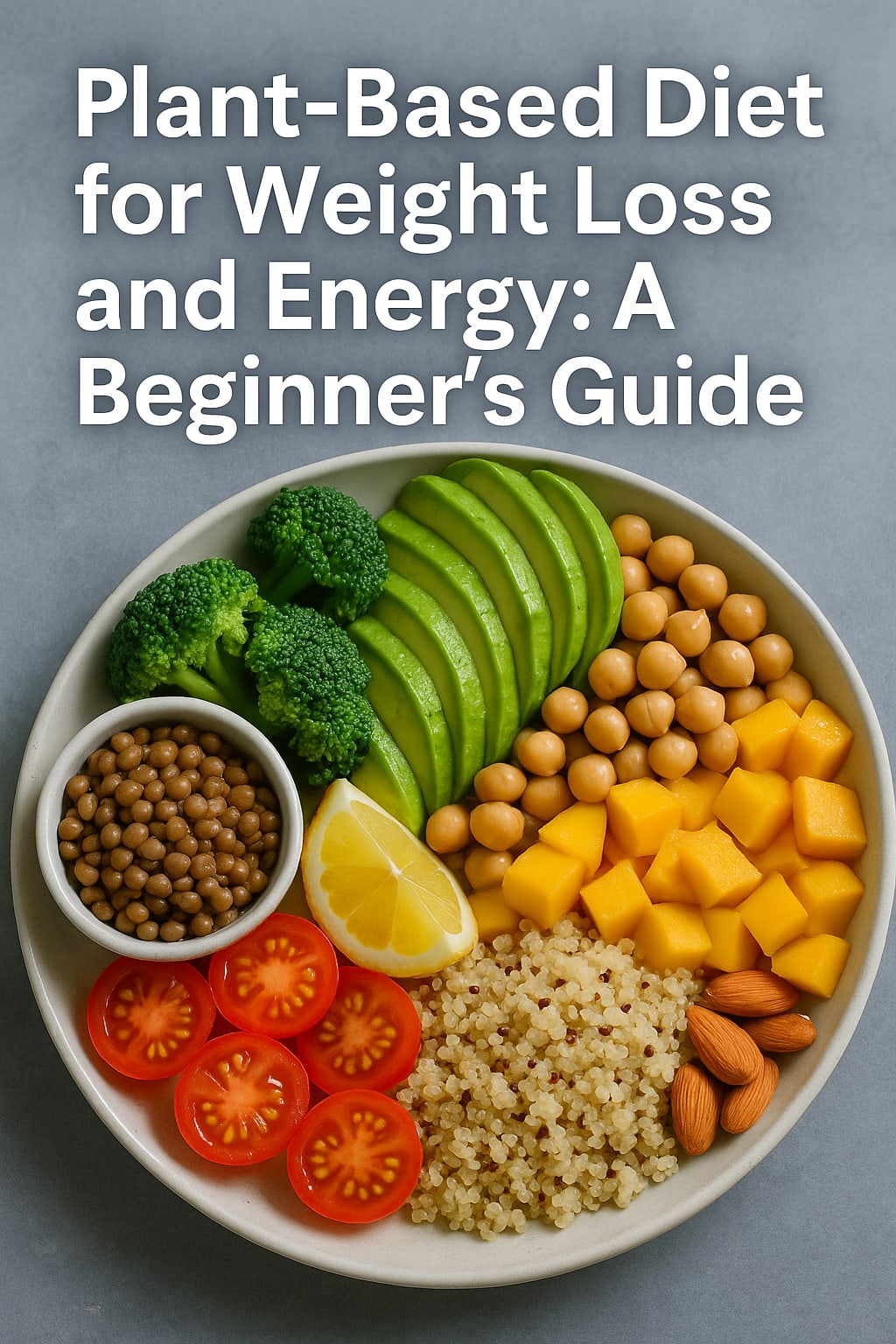
Trying to lose weight while boosting energy can feel like a tug-of-war. You cut calories, and suddenly you're dragging through the day. But what if there was a way to do both, trim fat and stay fueled, without counting every bite or feeling deprived?
Enter the plant-based diet.
This isn’t about nibbling on lettuce or giving up everything you love. It’s about shifting your focus to foods that come from the earth, fruits, vegetables, legumes, whole grains, nuts, and seeds, and letting them do the heavy lifting.
This beginner’s guide will help you understand how a plant-based diet works for weight loss and energy, what to eat, what to avoid, and how to get started without feeling overwhelmed.
Why Choose a Plant-Based Diet?
Let’s be clear: a plant-based diet isn’t just a trend. It's backed by science and time-tested by cultures known for longevity and vitality. But the benefits go beyond just health statistics.
People who switch to plant-based eating often report clearer thinking, lighter bodies, and more consistent energy levels throughout the day.
Weight Loss Without Deprivation
Plant-based foods are naturally lower in calories and higher in fiber. That means you can eat larger portions and still lose weight.
Think about that: more food, fewer calories. You're not starving yourself, you're nourishing yourself in a smarter way.
Steady Energy All Day
Animal-based diets, especially those high in processed meats or saturated fats, can make you feel sluggish. In contrast, plants digest more efficiently, keeping your blood sugar stable and reducing energy crashes.
Better Sleep and Mood
Many who go plant-based experience better sleep, fewer mood swings, and reduced symptoms of anxiety or depression. This isn’t magic, it's the result of improved gut health and a more balanced hormonal response.
How a Plant-Based Diet Promotes Weight Loss
You might be wondering how eating more (plants) could lead to weighing less. Here’s the breakdown:
1. High Fiber Keeps You Full
Fiber is your secret weapon. It slows digestion, which means you stay full longer and eat less often. Foods like beans, oats, apples, and flaxseeds are all fiber-rich.
2. Nutrient Density over Calorie Density
Plant foods pack a lot of nutrients into each bite, unlike many processed or animal-based foods that contain empty calories. Nutrient-dense foods satisfy your body's needs faster, reducing cravings and overeating.
3. Reduced Inflammation
Chronic inflammation can lead to weight gain and fatigue. Plant-based diets are rich in antioxidants and phytonutrients, which help reduce inflammation at the cellular level.
4. Improved Insulin Sensitivity
Whole plant foods support better blood sugar control. When your insulin works better, your body is more efficient at burning fat instead of storing it.
What to Eat on a Plant-Based Diet
Start simple. You don’t need exotic ingredients or expensive superfoods to do this right.
Base your meals around:
- Vegetables: Leafy greens, root vegetables, cruciferous options like broccoli and cauliflower.
- Fruits: Berries, bananas, apples, oranges, mangoes — fresh or frozen.
- Whole grains: Brown rice, oats, quinoa, farro, bulgur.
- Legumes: Lentils, chickpeas, black beans, navy beans.
- Nuts and seeds: Almonds, chia seeds, flaxseeds, sunflower seeds.
- Healthy fats: Avocados, olives, nut butters, tahini.
Cooked, raw, roasted, blended, or baked, just keep it real and minimally processed.
Season wisely. Herbs, spices, lemon, vinegar, and nutritional yeast bring massive flavor without adding empty calories or artificial ingredients.
What to Limit or Avoid
You don’t have to go full vegan to benefit from a plant-based diet. But some foods will slow your progress, especially if weight loss and energy are your goals.
Limit or avoid:
- Processed plant-based junk (fake meats, sugary vegan treats)
- White bread, pasta, and refined grains
- Fried foods and heavily oiled dishes
- Soda, energy drinks, and sugary beverages
- Excess caffeine and alcohol
- Dairy and red meats, if you're not cutting them out completely
It’s about progression, not perfection. Replace slowly, one item at a time, and let your taste buds adapt.
Common Beginner Mistakes
Starting plant-based isn’t hard, but these traps can sideline your success if you're not careful.
1. Eating Too Many Refined Carbs
Yes, pasta is technically plant-based. But that doesn’t mean it’s helping you lose weight. Prioritize whole grains instead.
2. Not Eating Enough Calories
Newcomers often under-eat when switching to plants, leading to fatigue or cravings. Don’t be afraid to fill your plate.
3. Forgetting Protein
Beans, lentils, tofu, tempeh, quinoa, and even green peas all contain protein. You don’t need meat to meet your needs — just a little variety.
4. Obsessing Over Perfection
You will mess up. That’s okay. What matters is consistency, not perfection. One slip doesn't erase your progress.
Simple Meal Ideas to Get Started
To make the transition easy, build your meals around familiar favorites, just tweak the ingredients.
- Breakfast: Overnight oats with berries, flaxseed, and almond milk.
- Lunch: Lentil soup with a side of whole grain toast and avocado.
- Dinner: Stir-fried veggies and tofu over brown rice with tamari and sesame oil.
- Snack: Carrot sticks and hummus or a banana with peanut butter.
Batch cooking on Sundays can save your week. Prep your grains, roast some veggies, make a big pot of beans, and you’re set.
How to Stay Motivated and Make It Stick
Changing how you eat can be emotional. Food is tied to culture, memories, and even identity. Give yourself grace.
1. Track How You Feel
Notice your energy, mood, digestion, and sleep. Seeing real improvements builds natural motivation.
2. Connect with Community
Find a local or online group. Having people to share recipes, struggles, and wins with makes the journey feel less lonely.
3. Educate Yourself
The more you understand why plant-based works, the more committed you’ll become. Watch documentaries. Read books. Follow evidence-based nutritionists.
4. Don’t Restrict — Replace
Instead of thinking, "I can't have that," ask, "What plant-based version could I try instead?" That shift makes a huge difference in your mindset.
You don’t need to overhaul your life overnight. Start with one meal a day. Then two. Then build momentum.
A plant-based diet isn’t just a way to lose weight or feel more energetic. It’s a way to nourish your body without punishment. It offers you freedom from calorie counting, from energy crashes, from the diet hamster wheel.
It's not a fad. It’s a foundation.
And it’s one that, once built, will support you for life.
About the Creator
Richard Bailey
I am currently working on expanding my writing topics and exploring different areas and topics of writing. I have a personal history with a very severe form of treatment-resistant major depressive disorder.
Keep reading
More stories from Richard Bailey and writers in Longevity and other communities.
Healthy Meal Prep Ideas for Busy Professionals: Stay Nourished Without Sacrificing Time
Staying healthy while juggling work deadlines, meetings, and after-hours responsibilities can feel impossible. Most busy professionals want to eat well, but lack the time or energy to cook nutritious meals every day.
By Richard Bailey7 months ago in Longevity
Day 4 of Quitting
If this is how sobriety feels, maybe it’s better to go through life a little buzzed… this, along with other hits like, I want to kill myself, I wish I was dead, and I’m going to throw myself off a bridge have been the only thoughts on rotation these past few days. I promise myself that if, in a month, I still feel like this (‘this’ meaning despondent, full of rage, and simultaneously numb) I can go back to smoking. Until mid-February though? Nicotine is off the table.
By sleepy drafts10 days ago in Longevity
Bacterial Skin Infections
Introduction: When it comes to skin irritation, not every one of them is a simple rash. There are some bacteria that can enter the skin through tiny cuts and hair follicles. These bacteria include Staphylococcus aureus (Staph) or Streptococcus pyogenes (Strep) that can cause infections ranging from irritation and bothersome to dangerous.
By benjamin taylor4 days ago in Longevity



Comments (1)
I've seen the benefits of a plant-based diet firsthand. It's not about deprivation. Eating more fruits, veggies, etc. fills you up, boosts energy, and helps with weight loss. It's a win-win.