
The Impact of Mental Health Awareness in India:
Breaking Stigmas and Building Support Systems

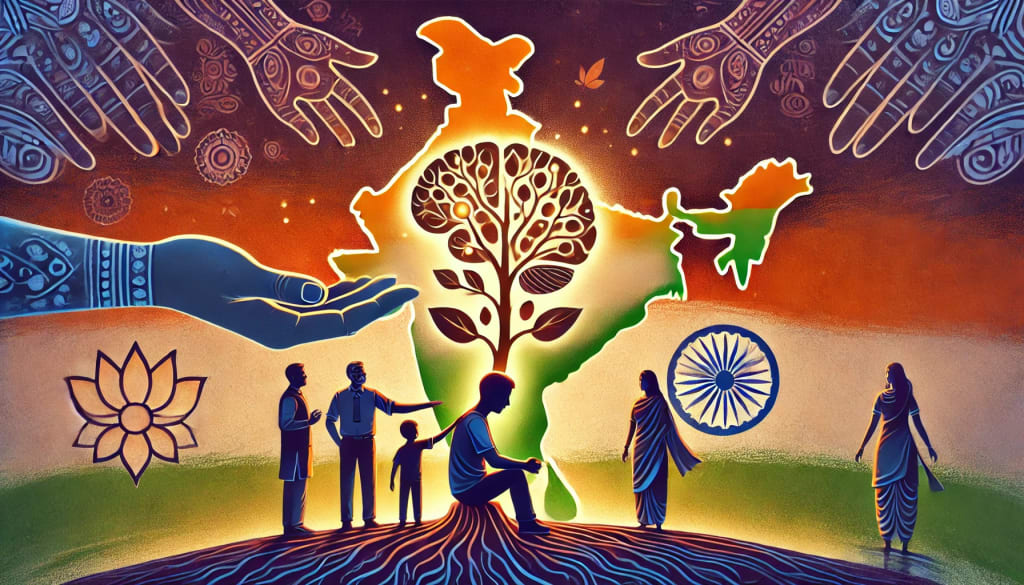
In the last decade, mental health awareness in India has taken a significant leap forward. While it has historically been a taboo subject, the stigma surrounding mental health is gradually starting to erode, making way for a more open dialogue. Despite this progress, challenges remain in fully integrating mental health care into the fabric of the nation’s healthcare system. As mental health continues to gain recognition as an essential aspect of well-being, the efforts to break stigmas and build support systems for individuals facing mental health challenges are becoming increasingly vital.
Breaking the Silence: A New Era of Mental Health Awareness
Traditionally, mental health issues in India were either ignored or swept under the rug. From cultural taboos to a lack of understanding, mental health was largely misunderstood, and many individuals suffered in silence. The notion that mental illness was a sign of personal weakness, or worse, something to be ashamed of, was deeply ingrained in society.
However, over the past few years, public awareness campaigns and the growing voices of mental health advocates have sparked a much-needed conversation. National campaigns like “Let’s Talk” and “Mind Matters” have created safe spaces for individuals to share their struggles. High-profile figures, including celebrities, politicians, and activists, have lent their voices to the cause, openly discussing their battles with mental health. This openness has not only provided validation for those experiencing similar challenges but also helped to break down the walls of silence that have long surrounded mental health.
In addition, increased media coverage and social media platforms have given the public an opportunity to learn more about mental health, its complexities, and its far-reaching impact. The normalization of therapy and counseling, once seen as a last resort, is slowly becoming a part of the cultural dialogue.
Shifting Attitudes Towards Mental Health in India
Attitudes towards mental health are slowly but steadily changing. According to a 2023 survey by the Indian Psychiatry Society, more than 70% of the Indian population now acknowledges mental health as a serious issue, with a large number of individuals admitting to experiencing anxiety, depression, or stress. This statistic marks a significant shift from previous decades when these concerns were either ignored or minimized.
A significant change has occurred in how mental health is being perceived, particularly among younger generations. The youth, especially millennials and Gen Z, are embracing mental health care as part of their overall well-being. They are not only more likely to seek therapy but are also encouraging their peers to prioritize their mental health. Social media has played a key role in shifting perceptions, with influencers and mental health advocates promoting self-care practices, stress management techniques, and the importance of seeking help.
However, while awareness is increasing, there is still a gap when it comes to access to mental health services. A significant portion of the population remains unaware of available resources, and those who are aware often find the costs and the stigma associated with seeking help to be deterrents. The need for greater public health initiatives and government-funded mental health programs is more urgent than ever.
The Role of Technology and Online Support Systems
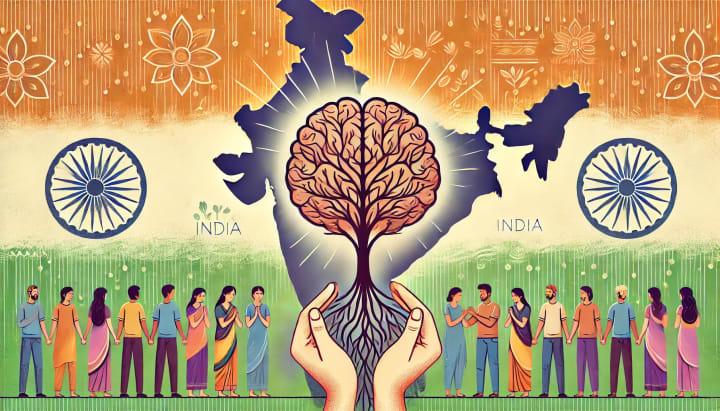
The digital revolution has opened up new avenues for mental health support. Telemedicine platforms, therapy apps, and online counseling services have made it easier for people to access mental health care, especially in rural and underserved areas. Apps like “Wysa”, “Talkspace”, and “MindHelm” are providing affordable and anonymous therapy sessions, making it easier for individuals to seek help without the fear of being judged.
These platforms are particularly beneficial for the younger generation, who are accustomed to seeking answers online. The convenience of accessing therapy sessions via video calls, text, or voice messages makes mental health care more approachable and accessible than ever before.
Moreover, India’s rapidly expanding internet penetration has enabled mental health organizations to reach a broader audience. Through webinars, online workshops, and social media campaigns, experts are actively promoting mental well-being, coping mechanisms, and stress reduction strategies.
Mental Health in the Workplace: A Growing Priority
Another area where mental health awareness is gaining ground is the workplace. As India’s workforce becomes more diverse, employers are increasingly recognizing the need to support the mental well-being of their employees. Companies are investing in wellness programs, mental health benefits, and creating safe spaces for employees to express their concerns.
Corporate giants such as Infosys, Tata Consultancy Services (TCS), and Flipkart have implemented comprehensive employee assistance programs (EAPs) to provide mental health support. These programs typically include counseling services, stress management workshops, and resources to help employees deal with work-related anxiety and burnout.
Furthermore, there has been a growing trend towards promoting work-life balance, with businesses acknowledging that employee productivity is intrinsically tied to mental well-being. Offering flexible working hours, mental health days, and access to therapy are becoming common practices in progressive companies.
Challenges and the Road Ahead
Despite these positive changes, the mental health landscape in India remains riddled with challenges. The lack of sufficient trained mental health professionals, especially in rural areas, continues to be a significant barrier. India has less than one psychiatrist for every 100,000 people, which is far below the recommended number.
Moreover, the ongoing pandemic has exacerbated the mental health crisis. COVID-19 has triggered a rise in mental health conditions such as anxiety, depression, and post-traumatic stress disorder (PTSD), further stressing the importance of creating robust mental health support systems.
To build a more inclusive and supportive environment, there is an urgent need for the government to prioritize mental health services in public health policy. Education systems should also focus on mental health education to foster understanding from a young age.
Conclusion: A Future of Hope
India is witnessing a positive transformation in how mental health is perceived. The growing awareness, the rise of online platforms, and the increasing recognition of mental health in the workplace are important steps in the right direction. However, to make lasting change, society must continue to break down barriers and build stronger, more accessible mental health support systems.
As more people feel empowered to speak out, and as resources become more accessible, the hope is that mental health care in India will become as mainstream as physical health care. With continued effort, we can create a future where mental health is prioritized, stigma is eliminated, and everyone has the support they need to lead fulfilling lives.
About the Creator
Artical Media
my name is Neeru Verma+++
I am from Delhi In India.
I Working from Last Year Content Writing & Artical Writing.
Thank you.
For Reading My Articals.
Visit My Store:DIGIMARTS.redbubble.com
Keep reading
More stories from Artical Media and writers in Longevity and other communities.
Sex is Healthful:
Sex is a natural part of human life that brings not only pleasure but also a wide array of health benefits. Despite often being a taboo topic, understanding the positive effects of a healthy sex life can encourage people to prioritize this aspect of their wellbeing. In this article, we explore how sex can contribute to physical, mental, and emotional health.
By Artical Media2 years ago in Longevity
Three in Four Women Unaware Menopause Can Trigger New Mental Illness, Poll Finds
A new poll has revealed a striking gap in public understanding of menopause and mental health, with nearly three in four women unaware that the hormonal transition can trigger the onset of new mental illnesses. The findings highlight a growing concern among health experts that psychological symptoms linked to menopause are being underestimated, misdiagnosed, or ignored altogether. Menopause is commonly associated with physical symptoms such as hot flashes, night sweats, and sleep disruption. However, medical professionals stress that the hormonal changes occurring during perimenopause and menopause can also have a profound impact on the brain. Fluctuating estrogen levels influence neurotransmitters like serotonin and dopamine, which regulate mood and emotional stability. For some women, this can result in anxiety, depression, panic disorders, or even more severe psychiatric conditions emerging for the first time in midlife. According to the poll, a majority of respondents believed menopause only worsens existing mental health issues rather than creating new ones. This misconception is worrying, experts say, because it delays diagnosis and treatment. Women experiencing sudden mood swings, intrusive thoughts, or prolonged low mood may not associate these symptoms with menopause and instead blame stress, work pressure, or family responsibilities. Mental health specialists report an increase in middle-aged women seeking help for symptoms that began during perimenopause. Many describe feeling unlike themselves for the first time in their lives, experiencing unexplained anxiety, emotional numbness, or depressive episodes. In some cases, women who had never previously struggled with mental illness suddenly find themselves needing therapy or medication. The stigma surrounding both menopause and mental illness adds another layer of difficulty. Many women hesitate to discuss emotional changes openly, fearing they will be dismissed as “overreacting” or told it is simply part of aging. As a result, they may suffer in silence for months or even years before seeking professional support. Healthcare providers also face challenges. General practitioners are often trained to focus on physical menopausal symptoms, while mental health symptoms may be treated separately without considering hormonal causes. This fragmented approach can lead to misdiagnosis. A woman might be prescribed antidepressants without being offered hormone therapy, or vice versa, even though a combined treatment plan could be more effective. Campaigners argue that menopause education needs urgent reform. Schools, workplaces, and healthcare systems should treat menopause as both a physical and psychological transition. Employers are also being encouraged to recognize menopause-related mental health struggles, especially as more women remain in the workforce into their 50s and 60s. Reduced concentration, fatigue, and emotional distress can significantly affect job performance if left unsupported. The poll also revealed generational differences in awareness. Younger women were slightly more informed about menopause and mental health than older respondents, suggesting that social media and online health campaigns are beginning to shift perceptions. However, experts warn that online information can be inconsistent and sometimes misleading, reinforcing the need for reliable public health guidance. Treatment options are available, and outcomes can be positive when menopause-related mental illness is identified early. Hormone replacement therapy (HRT), talking therapies, lifestyle changes, and in some cases medication can work together to stabilize mood and improve quality of life. Regular exercise, better sleep habits, and stress management are also known to ease symptoms. Ultimately, specialists say the findings should serve as a wake-up call. Menopause is not just a physical milestone but a complex biological transition that can reshape mental wellbeing. Recognizing this reality could prevent unnecessary suffering and help women access the care they need sooner. As awareness grows, advocates hope conversations around menopause will become more open and medically informed. Understanding that new mental health conditions can emerge during this stage of life is a crucial step toward removing stigma and ensuring that women are supported through every aspect of this significant change.
By Fiaz Ahmed 4 days ago in Longevity




Comments
There are no comments for this story
Be the first to respond and start the conversation.