
The History & Origins of Yoga: From Ancient Roots to Bulldog Yoga
From Ancient Traditions to Modern Mats: How Bulldog Yoga Brings Fun, Flexibility, and Fitness to Every Yogi's Journey!!!

Yoga. It’s everywhere these days, from trendy studios to online platforms, and even in your living room. Whether you’re using it to stretch out after a long day, clear your mind, or build strength and flexibility, yoga has become a go-to practice for millions. But where did this age-old discipline come from? How did it evolve from ancient spiritual practice to the dynamic fitness trend we know today?
Let’s take a journey through time and explore the fascinating history of yoga, before we dive into one of the modern-day adaptations of yoga that’s perfect for anyone—whether you’re just starting out, coming back to the mat, or already an experienced yogi. This brings us to Bulldog Yoga—a contemporary, fun, and accessible take on yoga that embraces the ancient tradition while making it more relatable for today’s world.
Ancient Beginnings: The Roots of Yoga (Around 3000 BCE)
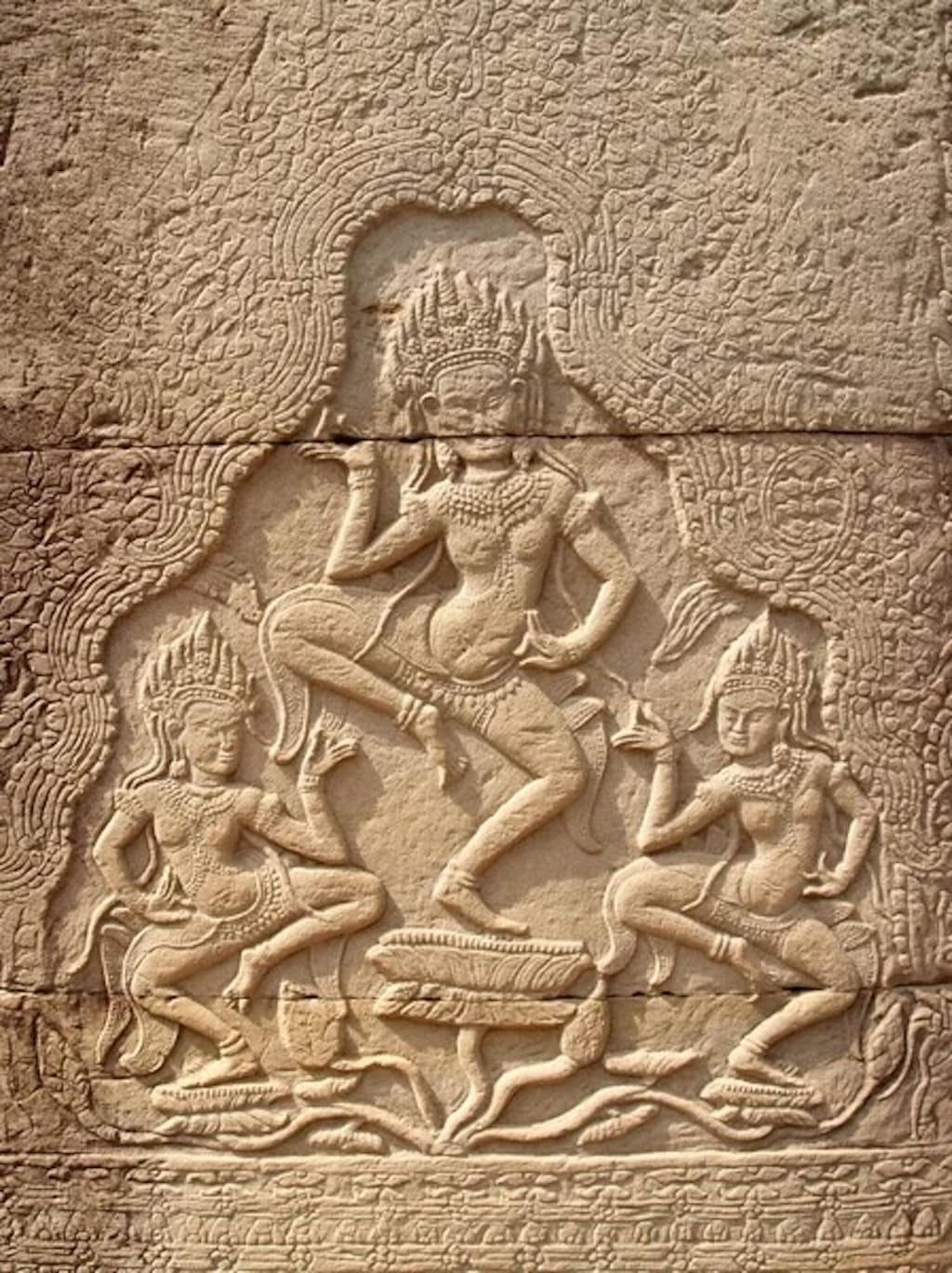
Yoga’s roots are planted deep in the soil of ancient India, making it one of the oldest spiritual and physical practices known to humankind. The earliest signs of yoga can be traced back to around 3000 BCE during the Indus Valley Civilization. Archaeological finds—such as seals depicting figures in meditative poses—suggest that yoga was practiced as a spiritual and contemplative discipline.
At this point, yoga wasn’t about getting a killer workout or achieving Instagram-worthy poses. Instead, it was a way to connect with the divine and explore the nature of existence. Early yoga was rooted in meditation, breathwork, and rituals designed to unite the individual soul with the universal consciousness. In essence, yoga was a spiritual pursuit—not yet the physical workout we associate with it today.
The Vedas and Upanishads: Philosophical Foundations of Yoga (1500 – 500 BCE)
As time passed, the practice of yoga began to evolve alongside the development of Hindu philosophy. The Vedas, which were written between 1500 and 500 BCE, introduced many of the foundational teachings of yoga. In these sacred texts, the concept of yoga began to take shape, with the term yuj (meaning "to unite") signifying the union of individual consciousness with the universal.
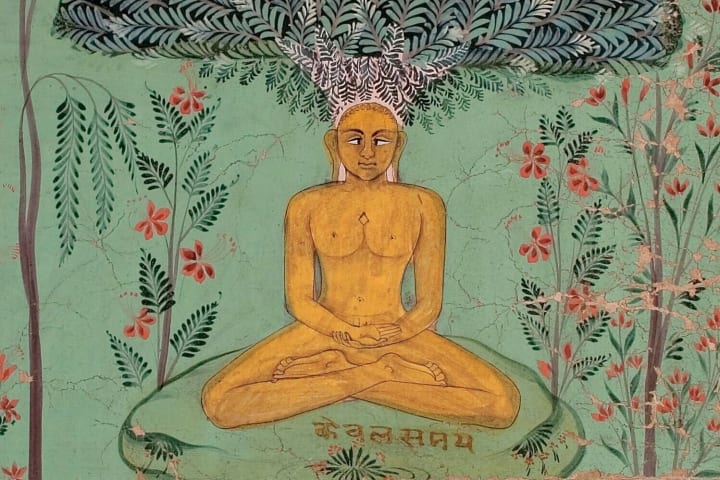
Yoga practices focused primarily on mental discipline and rituals. However, the Upanishads (philosophical texts from around 600 BCE) further explored the idea of using the body as a means to achieve spiritual insight. Meditation, breath control (pranayama), and seated postures were taught as ways to calm the mind and prepare for higher states of consciousness.
During this period, the practices of yoga weren’t physical postures in the way we think of them today, but more about cultivating inner peace, wisdom, and understanding through meditation and mental discipline.
The Bhagavad Gita: Yoga’s Many Paths (200 BCE – 200 CE)
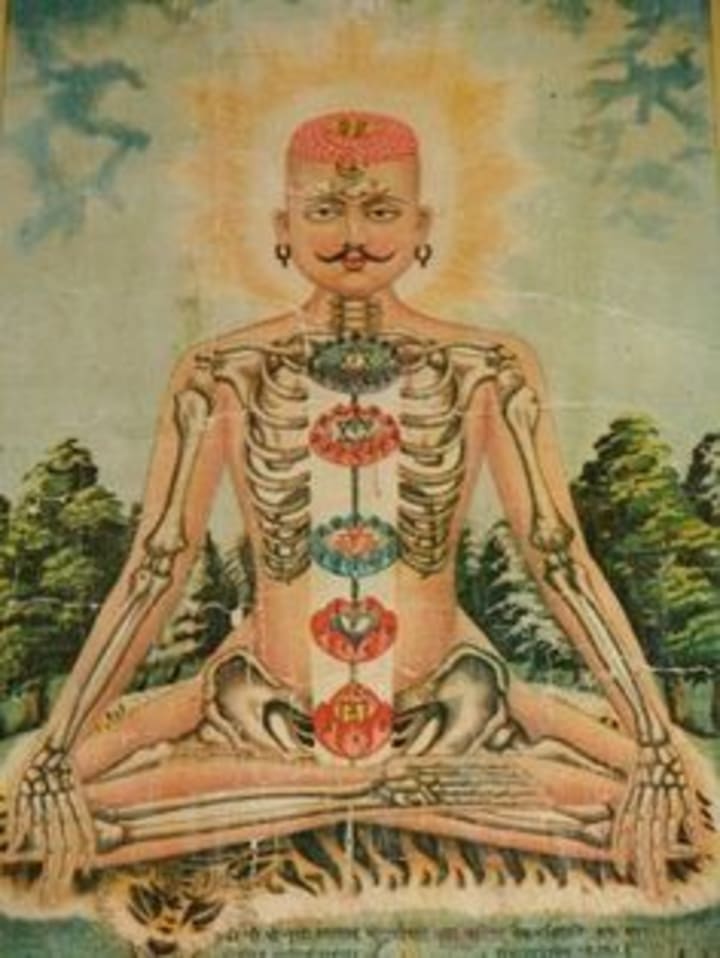
Fast forward to around 200 BCE, and we arrive at the Bhagavad Gita, one of the most influential texts in yoga philosophy. In this sacred scripture, Lord Krishna imparts spiritual teachings to the warrior prince Arjuna, explaining different paths to self-realization. The Gita introduced three primary forms of yoga: karma yoga (the yoga of action), bhakti yoga (the yoga of devotion), and jnana yoga (the yoga of knowledge). These teachings emphasized that yoga isn’t a one-size-fits-all practice; it’s a personal journey that can take many different forms.
While the Gita was still largely focused on meditation and mental disciplines, it also laid the groundwork for integrating the mind, body, and spirit. Yoga became a way of living with greater purpose, balance, and mindfulness—something that resonated beyond just ascetics and monks, and began to attract people from all walks of life.
The Rise of Hatha Yoga (11th – 15th Century)
As we move into the 11th and 15th centuries, we see the development of hatha yoga—the physical practice of yoga that most closely resembles what we do today. Hatha yoga focuses on physical postures (asanas), breathwork (pranayama), and energy control (prana) as a means to prepare the body for meditation and spiritual awakening.
During this time, yogis like Swatmarama—author of the seminal text Hatha Yoga Pradipika—outlined many of the poses and practices that would eventually become a core part of the modern yoga repertoire. These practices were seen as a way to strengthen the body, improve flexibility, and create balance between the physical and spiritual aspects of life.
Yoga in the Modern World: From India to the West (Late 19th – 20th Century)
The journey of yoga continued to evolve during the late 19th and 20th centuries, as yoga teachers like Swami Vivekananda and Paramahansa Yogananda brought yoga to the Western world. Yoga was introduced not only as a physical practice but also as a holistic lifestyle for personal growth, health, and spiritual fulfillment.
By the 1920s and 1930s, yoga was gaining traction in the West, but it wasn’t until the 1960s and 1970s—when figures like B.K.S. Iyengar and Pattabhi Jois brought their own interpretations of yoga to the public—that physical yoga began to take off. The rise of the yoga boom saw classes for every type of practitioner, from beginners to advanced yogis, and yoga slowly began to take its place in mainstream fitness culture.
Bulldog Yoga: A Modern Twist on Ancient Tradition
Fast-forward to today, and yoga is more popular than ever. But with so many styles and classes to choose from, how do you find a yoga practice that fits you? That’s where Bulldog Yoga comes in.
Bulldog Yoga takes the ancient practice of yoga and gives it a modern, fun, and accessible twist. While it honors the spiritual roots and physical benefits of traditional yoga, Bulldog Yoga is designed to be welcoming and enjoyable for people at all levels—whether you’re a seasoned yogi or just starting out on your yoga journey.
Bulldog Yoga: Fun, Accessible, and Energizing
What sets Bulldog Yoga apart is its fresh approach to yoga. Gone are the days of stiff, silent classes with overly complicated poses. Bulldog Yoga is all about bringing fun and lighthearted energy into your practice while still providing all the mind-body benefits of traditional yoga. Here's why Bulldog Yoga could be the perfect fit for your practice:
A Welcoming Atmosphere: Bulldog Yoga creates a low-pressure, non-judgmental space where you can feel free to explore the practice at your own pace. Whether you’re just starting out or getting back into yoga after a hiatus, there’s no need to worry about "keeping up" or being perfect.
Variety of Classes: Bulldog Yoga offers a range of classes for all levels, from beginners to advanced practitioners. Whether you’re looking for a gentle flow to get back into your practice or a high-energy session to challenge yourself, Bulldog Yoga has something for you. With classes like the Basic Bulldog (perfect for beginners) and Doghouse (for those looking to get their heart pumping), you can tailor your practice to suit your mood and fitness goals.
Music and Movement: Bulldog Yoga classes are set to upbeat, energizing music, adding an extra layer of fun and motivation to your flow. No more awkward silences or counting the seconds—each class is designed to keep you moving and grooving to an energizing playlist that enhances your practice.
Flexibility to Practice Anywhere: In addition to in-studio classes, Bulldog Yoga offers an online platform, so you can practice yoga whenever and wherever works best for you. Whether you’re at home, on the go, or on vacation, you can log in to Bulldog Yoga’s virtual classes and enjoy a session that fits your schedule.
A Focus on Fun and Fitness: Bulldog Yoga embraces the physical side of yoga without losing sight of its deeper purpose. It’s about strengthening your body, calming your mind, and having fun along the way. It’s yoga for everyone—whether you’re an experienced practitioner or just looking for a fun way to get started.
Yoga for the Modern World
Yoga has come a long way from its ancient roots, evolving over thousands of years from a spiritual practice to the versatile, accessible form of movement we know today. And while it has certainly changed over the centuries, its core purpose remains the same: to unite the mind, body, and spirit for greater peace, strength, and awareness.
With Bulldog Yoga, you can experience the best of both worlds—the time-honored traditions of yoga combined with a modern, fun approach that makes it easy to get started, stay engaged, and have fun on your yoga journey. Whether you’re new to yoga, coming back to the mat, or a seasoned pro, Bulldog Yoga offers something for everyone. So grab your mat, turn on the music, and let’s flow! 🧘♀️🎶🧘
Thank you 🙏
Future of Resilience
About the Creator
Future of Resilience
I enjoy writing book and product review, relationship and parenting blogs. I hope you enjoy my writing. Happy Reading!
Keep reading
More stories from Future of Resilience and writers in Longevity and other communities.
Top 10 Benefits of Adopting a Clean Eating Lifestyle
Hey there, health enthusiasts and food lovers! If you’ve found yourself wondering whether it’s time to ditch the processed snacks and start filling your plate with more fruits, veggies, and whole foods—well, you’re in the right place. You might be thinking, “Do I really need to adopt a clean eating lifestyle? Is it all that it’s cracked up to be?” Spoiler alert: it totally is. Clean eating isn’t just a passing trend; it’s a lifestyle that can have a lasting impact on your health, energy levels, and overall well-being.
By Future of Resilience about a year ago in Longevity
Day 4 of Quitting
If this is how sobriety feels, maybe it’s better to go through life a little buzzed… this, along with other hits like, I want to kill myself, I wish I was dead, and I’m going to throw myself off a bridge have been the only thoughts on rotation these past few days. I promise myself that if, in a month, I still feel like this (‘this’ meaning despondent, full of rage, and simultaneously numb) I can go back to smoking. Until mid-February though? Nicotine is off the table.
By sleepy drafts13 days ago in Longevity
I Looked Strong to Everyone, but I Was Falling Apart in Silence
Everyone thought I was strong. I was the one who checked on others, met deadlines, showed up with a smile, and said, “I’m good” without hesitation. If strength had a face, people told me it looked like mine.
By Fazal Hadi3 days ago in Longevity
Wild Card Weekend Recap: What Happens Now?
I think I figured out why I love Wild Card Weekend so much. It's because it's the first playoff anything of the calendar year. The NFL season starts in the fall, and once upon a time, the champion was crowned either on or slightly before New Year's. The evolution of the NFL schedule has resulted in the playoffs starting just into the New Year, and currently, the final week of the season falls on the first weekend of the New Year, with Wild Card Weekend coming a week after that. So yes, chronologically, the NFL's Wild Card Weekend serves as the first playoff anything of the calendar year.
By Clyde E. Dawkins7 days ago in Unbalanced




Comments (1)
Yoga is an activity that has gone through a lot of changes through the years as you have shown in your review. Great work.