
"The Fasting Hack: Eat Less, Live Longer? The Science Behind Intermittent Fasting Exposed!"
The Fasting Revolution: Unlocking the Power of Intermittent Fasting for Weight Loss, Improved Health, and Increased Longevity


"Eat Less, Live Longer? The Science Behind Intermittent Fasting Exposed!"
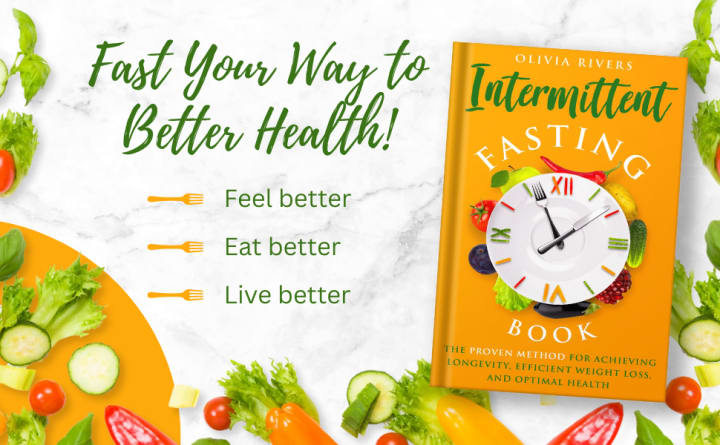
Introduction
Intermittent Fasting (IF) is more than just a trendy diet—it’s a scientifically backed lifestyle strategy that optimizes metabolism, promotes weight loss, and enhances overall health. With growing global interest, IF has been widely adopted by fitness enthusiasts, celebrities, and even medical professionals. But what makes fasting so powerful? What are the advantages and how does it operate? In this in-depth guide, we’ll explore the science, health advantages, and practical tips for integrating intermittent fasting into your daily routine.
What is Intermittent Fasting?

The key to intermittent fasting is when you eat, not what you eat. Unlike traditional diets that focus on calorie restriction and food choices, IF revolves around cycling between eating and fasting periods. There are several popular IF methods:
Common Intermittent Fasting Methods

1. 16:8 Method – Fast for 16 hours and eat within an 8-hour window.
2. 5:2 Diet – Eat normally for five days and restrict calorie intake (500-600 calories) on two non-consecutive days.
3. Alternate-Day Fasting – Fast every other day, consuming either no food or very limited calories.
4. OMAD (One Meal a Day) – Eat just one large meal daily, fasting for approximately 23 hours.
5. 12-Hour Fasting – A beginner-friendly approach involving a 12-hour fasting period.
Each method varies in intensity, allowing individuals to choose an approach that best suits their lifestyle.
The Science Behind Intermittent Fasting

Intermittent fasting is more than just skipping meals—it initiates powerful biological processes that promote longevity, fat burning, and disease prevention. Here’s how IF transforms your body:
1. Triggers Autophagy: The Body’s Cellular Cleanup System
When you fast, your body enters a state called autophagy, a natural detoxification process where damaged cells and proteins are broken down and recycled. This mechanism plays a critical role in reducing the risk of neurodegenerative diseases like Alzheimer’s and Parkinson’s.
2. Boosts Ketosis & Fat Burning
During fasting, the body shifts from using glucose for energy to burning stored fat, entering a metabolic state known as ketosis. This process enhances fat loss, making IF a popular tool for weight management.
3. Improves Insulin Sensitivity & Blood Sugar Control
Fasting lowers insulin levels, improving the body’s ability to process glucose efficiently. This can significantly reduce the risk of type 2 diabetes and insulin resistance.
4. Supports Heart Health
Research suggests IF helps regulate blood pressure, cholesterol levels, and triglycerides, reducing the risk of heart disease.
5. Reduces Inflammation
Chronic inflammation is linked to various diseases, including cancer and arthritis. IF helps lower inflammatory markers, enhancing overall immune function.
6. Enhances Brain Function & Mental Clarity
Fasting increases levels of brain-derived neurotrophic factor (BDNF), a protein essential for learning and memory. It also promotes the production of human growth hormone (HGH), which supports muscle growth and longevity.
The Benefits of Intermittent Fasting

1. Weight Loss & Fat Reduction
• Natural calorie restriction
• Increased fat metabolism
• Prevention of muscle loss due to growth hormone stimulation
2. Extended Lifespan & Anti-Aging Effects
Studies on animals suggest that fasting extends lifespan by reducing oxidative stress and improving mitochondrial function.
3. Better Digestion & Gut Health
IF allows the digestive system to rest, reducing bloating, improving gut bacteria balance, and enhancing nutrient absorption.
4. Hormonal Optimization
• Increases HGH: Enhances muscle growth and fat burning
• Balances cortisol levels: Reduces stress and emotional eating
• Boosts metabolism: Prevents metabolic slowdowns common in calorie-restrictive diets
How to Start Intermittent Fasting: Practical Tips
Starting IF can feel intimidating, but following a structured approach makes the transition easier:
1. Choose the Right Fasting Method: Start with a 12-hour fast and gradually progress to 16:8 or OMAD.
2. Stay Hydrated: Drink plenty of water, herbal teas, or black coffee during fasting periods.
3. Eat Nutrient-Dense Meals: Prioritize protein, healthy fats, and fiber to stay full longer.
4. Manage Hunger Pangs: Sip green tea or lemon water to curb hunger and boost metabolism.
5. Be Consistent: Stick to your schedule for at least four weeks to see noticeable results.
6. Listen to Your Body: Adjust fasting windows based on energy levels and lifestyle.
Debunking Common Myths About Intermittent Fasting
1. “Fasting Slows Down Metabolism” ❌
Fact: Short-term fasting boosts metabolism by up to 14% due to increased norepinephrine production.
2. “You’ll Lose Muscle While Fasting” ❌
Fact: Studies show fasting preserves muscle mass by increasing HGH levels.
3. “Intermittent Fasting Causes Nutrient Deficiencies” ❌
Fact: As long as you consume balanced meals, fasting does not lead to deficiencies.
4. “Fasting is Only for Weight Loss” ❌
Fact: IF provides numerous health benefits beyond weight loss, including brain function, longevity, and disease prevention.
Who Should Avoid Intermittent Fasting?

While IF is generally safe, certain individuals should consult a doctor before starting:
• Pregnant or breastfeeding women
• Individuals with a history of eating disorders
• People with severe diabetes or blood sugar issues
• Those on medication requiring food intake
Conclusion
Intermittent fasting is a powerful, science-backed approach to achieving optimal health, weight loss, and longevity. By understanding the mechanisms behind IF and implementing the right fasting method, you can unlock a healthier, more vibrant life.
Call-to-Action (CTA)
✅ Try Intermittent Fasting: Start with the 12-hour fasting method and gradually increase the duration. ✅ Track Your Progress: Monitor weight, energy levels, and overall well-being. ✅ Consult a Healthcare Professional: If you have underlying health conditions, seek expert guidance before starting IF.

Final Thoughts: Intermittent fasting isn’t just a diet—it’s a lifestyle transformation. By embracing fasting strategically, you can boost metabolism, enhance mental clarity, and add years to your life. Are you ready to take the first step in your fasting journey? Let’s get started!
About the Creator
PRABAL TR PRO
✅ "Writer & Poet ✍️ | Exploring ideas, stories, and insights that inspire & captivate! From culture to creativity—let’s dive into the world of words!"
Keep reading
More stories from PRABAL TR PRO and writers in Longevity and other communities.
"Vision Power, Retina Health, Dry Eyes & Pressure: Essential Prevention & Care"
"Eye Power, Retina, Dryness & Pressure: Essential Prevention & Care" Introduction Our eyes are one of the most complex and vital organs in our body. However, they are constantly exposed to potential damage due to modern lifestyle habits, aging, and medical conditions. From eye power issues (refractive errors) to severe conditions like retinal disorders, dryness, high eye pressure, and arthritis-related inflammation, our vision health is often at risk.
By PRABAL TR PRO12 months ago in Longevity
Two Grumpy Old Men Solve the Problem
Marty and Steve were two grumpy old men who lived together. They had known each other for years. Marty had been a bachelor all his life. Steve said it was because no one could stand to ever live with. Marty’s standard reply was “Well, you are, so what sort of a moron does that make you!”
By Calvin Londonabout 18 hours ago in Humor



Comments (1)
Author's Note: Intermittent fasting isn’t just a diet—it’s a science-backed lifestyle shift that can transform your health, boost longevity, and enhance mental clarity. In this article, I break down the research, myths, and benefits of fasting in a practical and engaging way. Whether you're curious about weight loss, disease prevention, or simply optimizing your well-being, this guide will help you unlock the secrets of fasting. Dive in and discover how eating less might just help you live longer! 🚀