
"Vision Power, Retina Health, Dry Eyes & Pressure: Essential Prevention & Care"
"How to Prevent Eye Damage – Simple Steps for Healthy Vision"


"Eye Power, Retina, Dryness & Pressure: Essential Prevention & Care"
Introduction
Our eyes are one of the most complex and vital organs in our body. However, they are constantly exposed to potential damage due to modern lifestyle habits, aging, and medical conditions. From eye power issues (refractive errors) to severe conditions like retinal disorders, dryness, high eye pressure, and arthritis-related inflammation, our vision health is often at risk.
This in-depth guide provides essential insights into these conditions, their symptoms, risk factors, and practical prevention strategies. By understanding how to maintain optimal eye health, you can take proactive steps to safeguard your vision.
_______________________________________
Understanding Eye Power Issues (Refractive Errors)

What Are Refractive Errors?
Refractive errors occur when the shape of the eye prevents light from focusing correctly on the retina, causing blurred vision. Common types include:
• Myopia (Nearsightedness): Difficulty seeing distant objects clearly.
• Hyperopia (Farsightedness): Trouble focusing on close objects.
• Astigmatism: Blurry or distorted vision due to an irregularly shaped cornea.
• Presbyopia: Age-related difficulty in reading small print or seeing close objects clearly.
Causes and Risk Factors
• Genetics: Family history increases the likelihood of refractive errors.
• Excessive screen time: Digital eye strain exacerbates vision problems.
• Poor lighting: Working in dim or overly bright conditions can affect eyesight.
• Aging: Vision naturally changes over time, increasing the risk of presbyopia.
Prevention and Management
• Regular eye exams: Early detection helps manage refractive errors.
• Use of corrective lenses: Glasses or contact lenses can restore clear vision.
• Practice the 20-20-20 rule: Take a break every 20 minutes to look at something 20 feet away for 20 seconds.
• Proper lighting: Ensure sufficient lighting while reading or using devices.
________________________________________
Retina Problems and Their Prevention
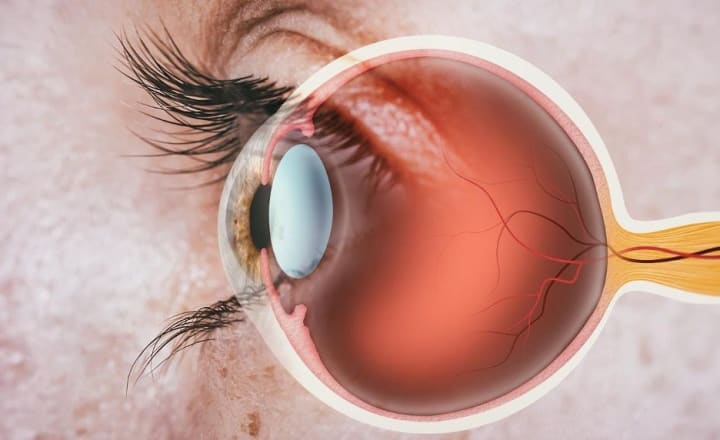
Common Retinal Disorders
• Retinal Detachment: The retina pulls away from the back of the eye, causing sudden vision loss.
• Macular Degeneration: Age-related deterioration of the macula leading to central vision loss.
• Diabetic Retinopathy: Damage to the retina's blood vessels due to diabetes.
Symptoms of Retinal Issues
• Blurred vision or loss of central vision.
• Floaters or flashes of light.
• Distorted or wavy lines in vision.
Prevention Strategies
• Control blood sugar and blood pressure: Prevent diabetic retinopathy.
• Quit smoking: Smoking accelerates retinal damage.
• Eat a diet rich in antioxidants: Leafy greens, fish, and nuts support retinal health.
• Regular eye check-ups: Early diagnosis can prevent severe damage.
________________________________________
Dry Eye Syndrome: Causes and Remedies
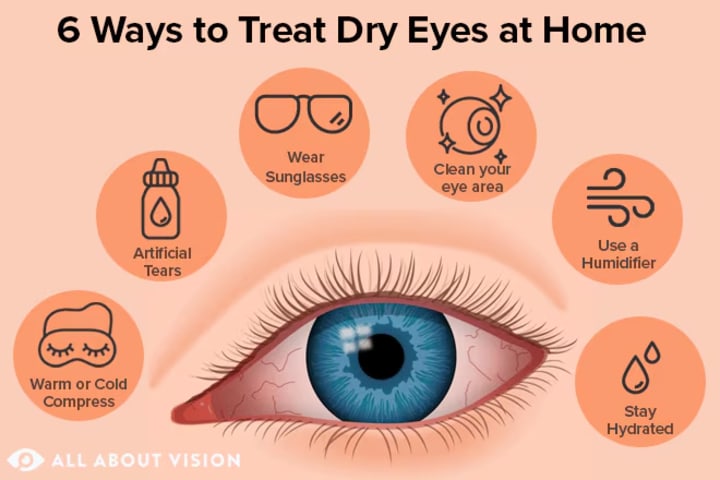
Why Do Dry Eyes Occur?
• Reduced blinking: Prolonged screen exposure lowers blink rates, reducing tear production.
• Aging: Tear gland function declines over time.
• Environmental factors: Wind, smoke, and air conditioning contribute to dryness.
Symptoms of Dry Eyes
• Redness, itching, and burning sensation.
• Excessive tearing as a reaction to dryness.
• Grittiness or foreign body sensation in the eyes.
Prevention and Management
• Use artificial tears: Keep eyes lubricated.
• Stay hydrated: Drink enough water throughout the day.
• Blink more often: Consciously blink when using screens.
• Use a humidifier: Maintain moisture levels in the air.
________________________________________
High Eye Pressure (Glaucoma) and Its Management
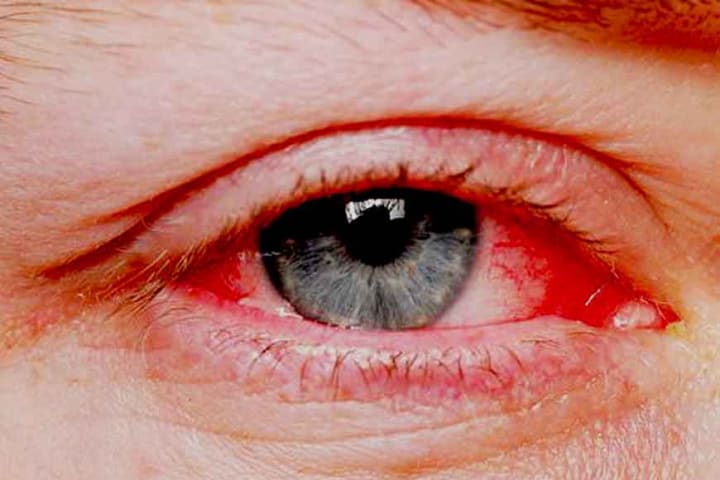
What Is High Eye Pressure?
High intraocular pressure (IOP) results from improper drainage of eye fluid, which can lead to glaucoma. If untreated, glaucoma can cause irreversible vision loss.
Risk Factors for Glaucoma
• Family history: Genetics play a crucial role.
• Age: People over 40 are at higher risk.
• Medical conditions: Diabetes and hypertension increase the risk.
• Prolonged steroid use: Can lead to increased IOP.
Prevention Strategies
• Regular eye pressure monitoring: Detect problems early.
• Healthy lifestyle: A balanced diet and exercise can improve eye health.
• Avoid excessive caffeine intake: Can temporarily elevate IOP.
• Use prescribed eye drops: If recommended by a doctor, follow medication guidelines strictly.
________________________________________
Arthritis in the Eyes: An Overlooked Concern
How Arthritis Affects Eye Health
Certain forms of arthritis, such as rheumatoid arthritis and psoriatic arthritis, can cause inflammation in the eyes. Common eye-related complications include:
• Uveitis: Inflammation of the uvea, causing pain and redness.
• Scleritis: Severe inflammation of the sclera, leading to vision problems.
• Dry eye syndrome: Reduced tear production due to inflammation.
Symptoms of Arthritis in the Eyes
• Red, painful, and swollen eyes.
• Blurred vision and light sensitivity.
• Chronic dryness and irritation.
Prevention and Management
• Manage arthritis effectively: Anti-inflammatory medications can help.
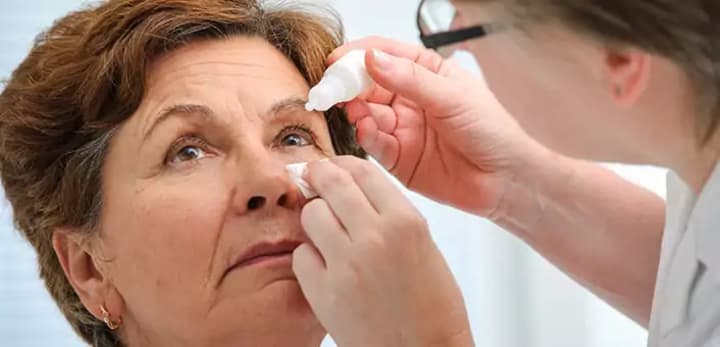
• Use lubricating eye drops: To relieve dryness.
• Wear protective eyewear: Reduce eye strain and exposure to irritants.
• Maintain an anti-inflammatory diet: Include omega-3-rich foods like fish and flaxseeds.
________________________________________
General Eye Care Tips for Long-Term Vision Health
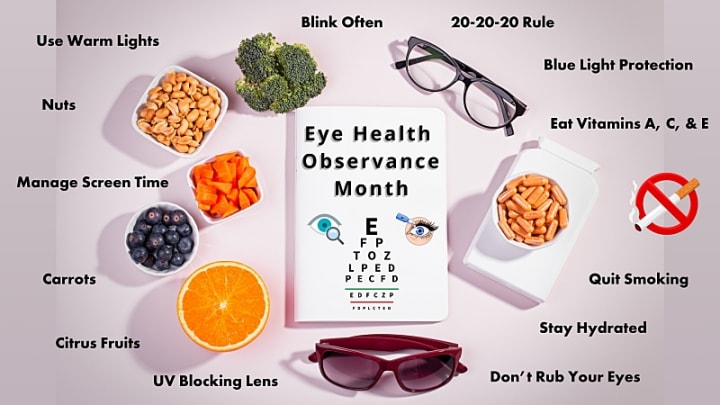
• Eat an eye-friendly diet: Consume foods rich in vitamins A, C, and E, lutein, and omega-3 fatty acids.
• Stay hydrated: Helps maintain optimal tear production.
• Avoid rubbing your eyes: Prevents infections and damage.
• Use UV-protective sunglasses: Shields eyes from harmful UV rays.
• Follow a proper sleep schedule: Reduces eye strain and fatigue.
• Schedule routine eye check-ups: Early detection can prevent complications.
________________________________________
Conclusion: Taking Proactive Steps for Eye Health
Your vision is invaluable, and taking preventive measures can significantly reduce the risk of eye disorders. From simple lifestyle changes like reducing screen time and eating a nutrient-rich diet to regular medical check-ups, proactive care can help you maintain optimal eye health.
If you experience any symptoms discussed in this article, don’t wait! Schedule an eye examination with an ophthalmologist today. Early intervention can make all the difference in protecting your vision for life.
About the Creator
PRABAL TR PRO
✅ "Writer & Poet ✍️ | Exploring ideas, stories, and insights that inspire & captivate! From culture to creativity—let’s dive into the world of words!"
Keep reading
More stories from PRABAL TR PRO and writers in Longevity and other communities.
"What Happens to Your Body When You Quit Sugar?"
What Happens to Your Body When You Stop Eating Sugar? Introduction Sugar is everywhere. From your morning coffee to hidden sugars in processed foods, it’s nearly impossible to avoid. But what if you decided to cut sugar out of your life entirely? What would happen to your body?
By PRABAL TR PRO10 months ago in Longevity
Day 4 of Quitting
If this is how sobriety feels, maybe it’s better to go through life a little buzzed… this, along with other hits like, I want to kill myself, I wish I was dead, and I’m going to throw myself off a bridge have been the only thoughts on rotation these past few days. I promise myself that if, in a month, I still feel like this (‘this’ meaning despondent, full of rage, and simultaneously numb) I can go back to smoking. Until mid-February though? Nicotine is off the table.
By sleepy drafts11 days ago in Longevity


Comments (1)
It’s always good to know about care! Stay healthy!