
The Dopamine Reset: Why Everyone Is Rewiring Their Brain in 30 Days
From endless scrolling to emotional burnout — a growing number of people are turning to “dopamine resets” to reclaim focus, motivation, and mental clarity.

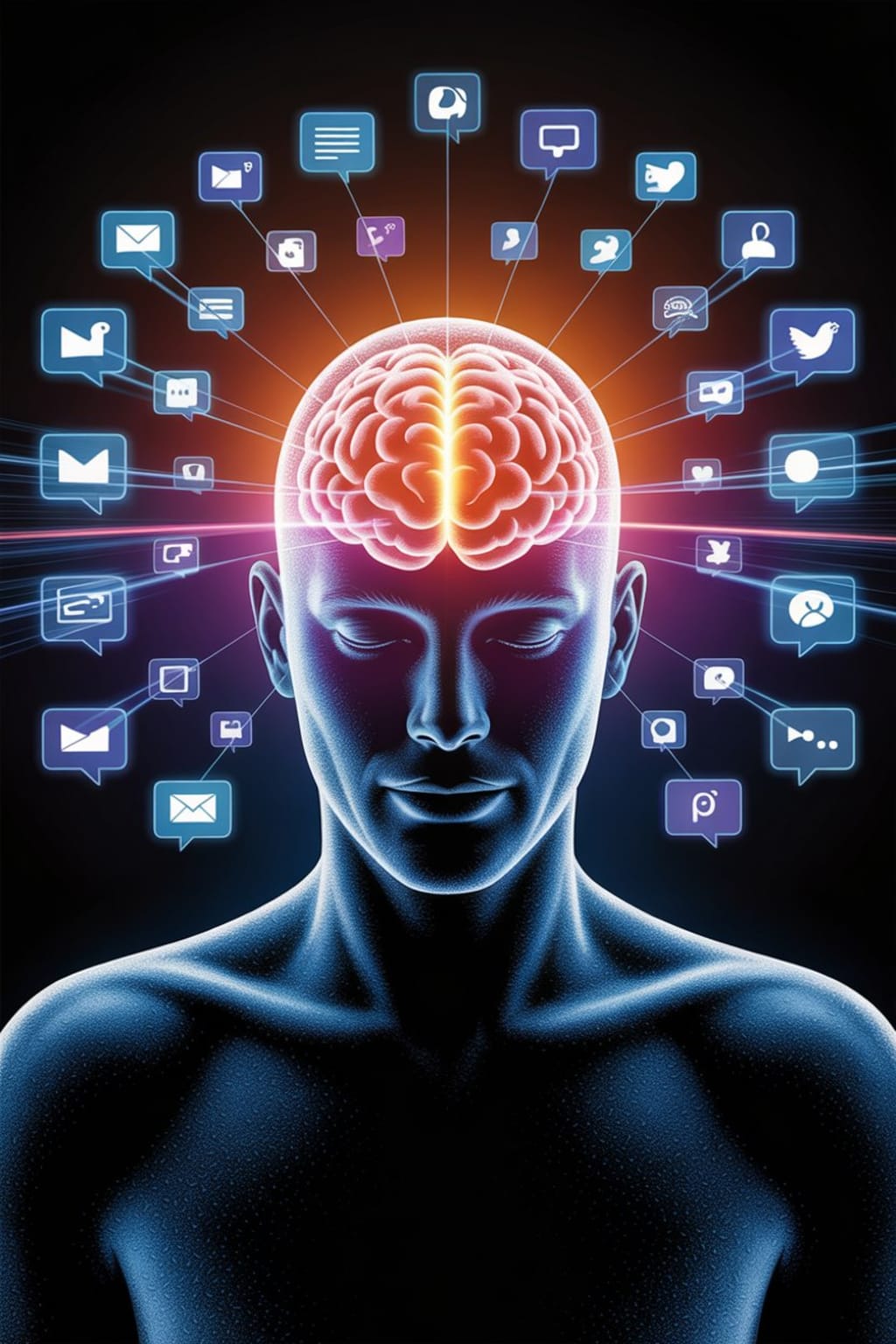
🧠 The 30-Day Brain Reset Everyone Is Talking About
If you’ve been on Tik Tok or Instagram recently, you’ve probably seen creators saying things like:
“I’m starting a dopamine detox,”
“I’m rebooting my brain,” or
“30 days to fix my dopamine levels.”
But what exactly does that mean?
Is it a real thing — or just another internet challenge with a fancy name?
Surprisingly, neuroscientists say this trend… actually has some truth behind it.
Dopamine — the brain chemical associated with motivation, reward, and pleasure — has become completely overloaded in the digital age. Our brains were never designed for:
infinite scrolling
constant notifications
binge content
instant food delivery
nonstop stimulation
And now?
People are feeling it.
More burnout.
Less focus.
Low motivation.
Chronic impatience.
Emotional numbness.
Perpetual distraction.
So a new movement has begun — not to eliminate dopamine, but to reset our relationship with it.
📱 Why 2025 Is the Year of Mental Reset
In the last few years, researchers have warned something important:
We’re living in a world of dopamine overload.
Every ping, every like, every reel gives your brain a tiny hit.
Now multiply that by hundreds — even thousands — per day.
Neuroscientists call this the “reward trap.”
The more stimulation you get, the more you need.
The less motivated you feel.
The more distracted you become.
People are noticing:
Tasks feel harder.
Books feel boring.
Conversations feel slow.
Even joy feels muted.
The result?
A whole generation searching for calm, focus, and balance.
Enter the dopamine reset — a 30-day protocol that’s becoming one of the biggest wellness trends of the year.
🔄 What Is a Dopamine Reset? (According to Real Neuroscience)
A dopamine reset isn’t about eliminating pleasure.
It’s about reducing overstimulation long enough for your brain to find balance again.
Think of it like rebooting a phone after too many apps are running.
You don’t delete everything — you just stop overwhelming it.
A dopamine reset focuses on 3 big goals:
1. Reduce unnecessary instant rewards
Things like:
scrolling
junk food
gaming
binge streaming
endless multitasking
2. Increase slow dopamine
Activities that build long-term motivation:
walking
reading
cold showers
strength training
sunlight exposure
meditation
3. Rebuild your baseline of focus
This is when you start craving real-life experiences again — not just digital stimulation.
📉 Signs You Need a Dopamine Reset
Millions of people are doing this reset because they feel symptoms like:
You can’t finish tasks
You lose interest quickly
You scroll without thinking
You feel overwhelmed by simple things
You get bored easily
Your attention span feels broken
You keep procrastinating
You feel mentally tired all the time
If you relate… you’re not alone.
This trend is growing because it hits a nerve in modern life.
🧩 The 30-Day Dopamine Reset Plan
Here’s the version that’s trending — and it’s surprisingly doable.
Week 1: Digital Decompression
Turn off non-essential notifications
No phone during meals
No scrolling for the first hour of the day
Replace short-form content with long-form content
Goal: Reduce “micro dopamine hits”
Week 2: Physical Reset
30 minutes of walking daily
8 hours of sleep minimum
Sunlight within 30 minutes of waking
One cold shower or cold splash per day
Goal: Rebalance your nervous system
Week 3: Mental Reset
10 minutes of meditation
No multitasking
1 hour of deep work daily
Journal before bed
Goal: Repair your focus
Week 4: Lifestyle Reset
Choose one new hobby
Try a 24-hour social media break
Meal prep simple, clean foods
Avoid toxic conversations and drama
Goal: Build long-term habits
After 30 days, people report:
dramatic focus improvement
less anxiety
more motivation
deeper sleep
improved mood
more meaningful conversations
better self-control
This is why the dopamine reset trend keeps going viral — it makes people feel human again.
🧘♂️ But Is It Scientifically Backed?
Yes — but with nuance.
Neuroscientists say:
You cannot “detox” dopamine (it’s essential for life)
But you can reduce overstimulation
And you can rebuild your baseline sensitivity
This is similar to the science behind:
addiction recovery
digital minimalism
cognitive behavioral therapy
attention training
habit rewiring
You’re not removing dopamine — you’re resetting the system that controls it.
🔥 Why This Trend Feels So Relevant in 2025
Because people are tired.
Tired of inputs.
Tired of noise.
Tired of feeling overstimulated and under-inspired.
The dopamine reset trend is popular because it:
feels achievable
is rooted in neuroscience
gives quick results
requires zero equipment
helps mental health
helps productivity
feels culturally relevant
It’s not a fad — it’s a response to the digital world we live in.
🌱 The Bigger Message Behind the Trend
In the end, the dopamine reset is not about dopamine at all.
It’s about:
slowing down
reconnecting with real life
reclaiming your attention
building meaningful focus
feeling joy again
escaping digital addiction
living a calmer, clearer life
It’s a reminder:
Our brains were never designed for the pace of modern technology —
but they can be healed.
One day at a time.
About the Creator
Keep reading
More stories from arsalan ahmad and writers in Longevity and other communities.
7 Habits That Can Spike Your Morning Blood Sugar
Blood sugar levels that are consistently high in the morning can happen for a variety of reasons. Habits such as poor-quality sleep, intense evening exercise, nighttime snacks or alcohol, and skipping dinner can all contribute to high morning blood sugar, as can insulin timing and type.
By Good health to everyone5 days ago in Longevity
Early March 2026: 4 Goals Accomplished
It's early March and I've now accomplished my 4th writing goal for the year of 2026. Before diving into the behind-the-scenes of it... why not tell you up front what that accomplishment was? I was published in a 2nd publication for this year. Published in Helix Literary Magazine out of Central Connecticut State University. You can read it for free right now!
By Stephen Kramer Avitabile4 days ago in Writers




Comments
There are no comments for this story
Be the first to respond and start the conversation.