
Sleep Fitness: The New Longevity Tool Everyone Is Finally Taking Seriously
From deep sleep tracking to nighttime mobility, here’s how “sleep fitness” is becoming the newest path to living longer, thinking sharper, and aging better.

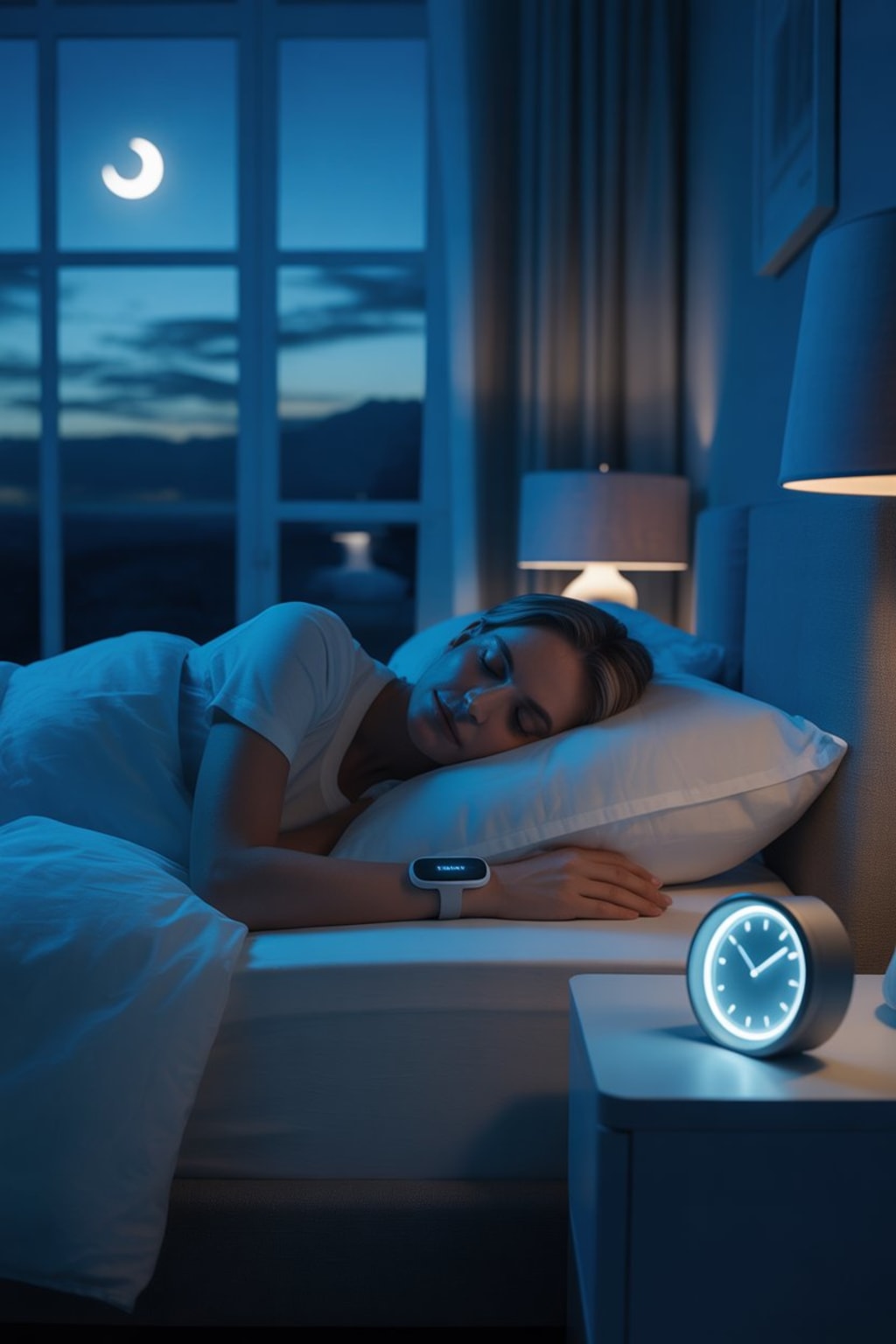
🌙 Sleep Fitness Is Becoming the New Longevity Tool
Most people think of fitness as movement — weights, cardio, sweating, steps.
But a new, fast-growing health trend says otherwise:
Your most powerful longevity tool might actually be what you do when you’re not awake.
Welcome to sleep fitness — the science-backed lifestyle approach that treats sleep like a skill you can train, measure, and optimize. And unlike expensive supplements or high-intensity workouts, improving your sleep can add years to your life without costing a dollar.
In the last two years, sleep fitness has exploded in popularity. Wellness creators, biohackers, doctors, and even elite athletes are treating their sleep routines like part of their training. Because they’ve realized something crucial:
👉 Poor sleep ages you faster than bad diet, lack of exercise, or stress.
👉 Great sleep can reverse years of physical and cognitive decline.
Let’s explore why sleep fitness is trending — and how it can transform your longevity starting tonight.
🌙 Why Sleep Is Now Considered “Fitness”
For decades, sleep was seen as passive.
Now, new research shows the opposite: sleep is biological repair mode.
During deep sleep, your body:
rebuilds muscle
restores your immune system
balances hormones
reduces inflammation
clears toxins from your brain
One of the biggest longevity discoveries in the last decade is the glymphatic system — your brain’s “detox” mechanism that only activates while you sleep deeply. It flushes out plaque associated with Alzheimer’s and dementia.
Translation?
Poor sleep doesn’t just make you tired —
it slowly ages your brain.
This is why longevity experts like Andrew Huberman, Matthew Walker, and Peter Attia say the same thing:
👉 “If you want to live long, protect your sleep like your life depends on it.”
🌙 The Rise of Sleep Tracking & “Recovery Culture”
Sleep fitness grew rapidly thanks to wearables — Oura, Whoop, Apple Watch, Fitbit — which made sleep measurement accessible to everyone.
Suddenly, people could see their sleep quality:
REM sleep
Deep sleep
Heart-rate variability (HRV)
Resting heart rate
Nighttime stress response
And what did most people find?
They weren’t sleeping nearly as well as they thought.
Once you start tracking, sleep becomes like training:
You adjust habits, test routines, and watch the numbers improve.
This feedback loop is exactly why sleep fitness has gone mainstream — it feels measurable, improvable, and rewarding.
🌙 How Lack of Sleep Accelerates Aging
Sleep deprivation is now linked to:
❌ Faster skin aging
Collagen production drops → wrinkles appear earlier.
❌ Memory decline
Your brain becomes less efficient at forming long-term memories.
❌ Lower metabolism
Sleep loss increases hunger hormones and weight gain risk.
❌ Higher risk of chronic disease
Poor sleep increases risk of:
diabetes
heart disease
depression
dementia
❌ Cellular aging
Short sleep actually shortens your telomeres — the protective caps on your DNA linked to lifespan.
It’s no wonder that sleep is being rebranded as a longevity exercise.
🌙 The 5 Pillars of Sleep Fitness
You don’t need a lab, supplements, or expensive trackers.
Sleep fitness is built on five simple pillars you can train daily.
1. Light Fitness — Managing Light Like a Pro
Your body’s clock runs on light exposure.
💡 Morning:
Get 5–10 minutes of sunlight to boost alertness and mood.
😶🌫️ Evening:
Dim lights, reduce blue light, and let melatonin rise naturally.
This single habit can improve sleep quality more than most supplements.
2. Temperature Fitness — Cooling the Body for Deep Sleep
Your body must drop 1–2°C to enter deep sleep.
Try:
A cooler bedroom (60–67°F / 15–19°C)
A warm shower before bed
Breathable blankets
This triggers deep, restorative sleep quickly.
3. Mobility for Sleep — The New Trend
This one is trending hard on TikTok and wellness apps:
sleep mobility.
A 5-minute nighttime mobility routine helps:
relax tight muscles
reduce stress
regulate the nervous system
Simple moves:
Child’s pose
Hip flexor stretch
Cat-cow
Thoracic twists
It works like internal “signal” telling your brain it’s safe to rest.
4. Breathwork for Nervous System Reset
Longevity scientists now say we must “downshift” the nervous system before bed.
Try:
4-7-8 breathing
Box breathing
Long exhales
This lowers cortisol and increases parasympathetic activation (rest mode).
5. Sleep Environment Stability
Just like a gym routine works best consistently, sleep thrives on stability.
Same bedtime
Same wake time
No late caffeine
No bright screens in the last hour
Dark, quiet, cool room
Small adjustments = huge lifespan dividends.
🌙 The Longevity Benefits of Great Sleep
When you improve your sleep fitness, you’ll notice:
💪 Stronger immunity
You get sick less often.
🧠 Better cognition
Sharper memory, faster thinking, better focus.
😊 Mood improvement
Reduced anxiety and better emotional regulation.
🔥 Faster metabolism
Better appetite control and weight management.
🧬 Slower cellular aging
Higher-quality sleep = longer lifespan.
This is why sleep fitness isn’t a trend — it’s a long-term health revolution.
🌙 The Takeaway
You don’t need perfect habits.
You just need consistent, small improvements.
Think of sleep like training:
You warm up (mobility + breathwork)
You follow a routine (bedtime habits)
You measure progress (tracking)
You recover better (deep sleep)
If there’s one longevity tool that gives immediate results and long-term benefits, it’s this:
👉 Sleep fitness is the foundation of a longer, healthier, sharper life.
And best of all?
It starts tonight — with something as simple as turning off a light.
About the Creator
Keep reading
More stories from arsalan ahmad and writers in Longevity and other communities.
Benefits of Hyperbaric Oxygen Therapy
In recent years, hyperbaric oxygen therapy (HBOT) has gained significant interest from both the medical community and wellness enthusiasts. Originally developed to treat deep-sea divers suffering from decompression sickness, hyperbaric chambers are now used for a wide range of medical conditions and recovery purposes. As research continues to expand, many people are discovering how powerful oxygen therapy can be when delivered in a controlled, pressurized environment.
By AnthonyBTV5 days ago in Longevity
The Physical and Mental Benefits of Helping Others
In the neverending pursuit toward longevity, one thread stands out time and time again: the connections we build with other people are the key healthy aging. Community involvement and volunteering play a significant role in improving both physical and mental health. When individuals actively participate in helping their communities—whether through local organizations, charities, schools, or neighborhood projects—they often experience meaningful benefits that extend beyond the act of service itself. By fostering social connections, encouraging active lifestyles, and providing a sense of purpose, volunteering can contribute to overall well-being and a healthier society.
By Andrew Elsoffer4 days ago in Longevity



Comments
There are no comments for this story
Be the first to respond and start the conversation.