


Taekwondo is a dynamic and highly disciplined martial art that originated in Korea. It combines elements of self-defense, combat techniques, and traditional martial arts principles. With its powerful kicks, fast movements, and emphasis on mental and physical strength, Taekwondo has become a popular sport and martial art practiced by millions of people around the world.
The roots of Taekwondo can be traced back over 2,000 years to ancient Korea, where it was known as "subak" or "Taekkyon." These martial arts were practiced by Korean warriors as a means of self-defense in times of war. However, it wasn't until the mid-20th century that Taekwondo as we know it today began to take shape.
In 1955, the Korea Taekwondo Association (KTA) was established, marking a significant turning point in the development of Taekwondo. The KTA sought to unify the various styles of Korean martial arts under one umbrella and promote Taekwondo as a national sport. Over the years, Taekwondo underwent further refinement and codification, eventually becoming an official Olympic sport in the year 2000.
One of the defining characteristics of Taekwondo is its focus on high, fast, and spinning kicks. Practitioners of Taekwondo spend countless hours honing their kicking techniques, aiming for precision, speed, and power. This emphasis on kicks sets Taekwondo apart from other martial arts such as karate or kung fu, which tend to have a broader range of techniques.
In addition to its physical aspects, Taekwondo also places great importance on mental discipline and character development. Practitioners are expected to adhere to a strict code of conduct, which includes principles such as respect, humility, perseverance, and self-control. These values are instilled in students through rigorous training and are intended to guide their actions both on and off the mat.
Taekwondo training typically consists of a combination of physical conditioning, technique practice, sparring, and forms, known as "poomsae" or "patterns." Physical conditioning involves exercises to improve strength, flexibility, and cardiovascular endurance. Technique practice focuses on perfecting the various kicks, punches, blocks, and stances that make up the Taekwondo repertoire. Sparring allows practitioners to apply their skills in a controlled and competitive environment, while forms are a series of predetermined movements performed in a specific order.
Competitive Taekwondo is divided into different weight divisions and age categories, ensuring fair competition among athletes. The objective of a Taekwondo match is to score points by landing clean and controlled strikes on specific target areas of the opponent's body, typically the torso and head. Kicks are awarded more points than punches due to their higher degree of difficulty and potential for knockout power.
The pinnacle of Taekwondo competition is the Olympic Games. Since its inclusion as an official Olympic sport, Taekwondo has captured the attention of millions of viewers worldwide. The Olympic format consists of separate events for men and women, with different weight divisions. Athletes compete in elimination rounds, culminating in exciting and high-stakes medal matches.
Beyond the competitive aspect, Taekwondo offers numerous benefits to its practitioners. It promotes physical fitness, providing a full-body workout that improves strength, flexibility, coordination, and balance. Regular training in Taekwondo can also enhance self-confidence, discipline, focus, and mental resilience. The martial art instills a sense of respect for others, as well as a commitment to personal growth and self-improvement.
Taekwondo is also widely recognized for its positive impact on children and adolescents. Many parents enroll their children in Taekwondo classes to help them develop
important life skills, such as self-discipline, respect for authority, and the ability to set and achieve goals. Taekwondo training can boost self-esteem, teach conflict resolution, and provide an outlet for physical energy in a structured and disciplined environment.
In conclusion, Taekwondo is a sport that combines physical prowess, mental discipline, and traditional martial arts values. With its powerful kicks, fast movements, and focus on character development, Taekwondo has captured the hearts of millions of practitioners worldwide. Whether practiced as a competitive sport, a form of self-defense, or a means of personal growth, Taekwondo continues to inspire and empower individuals of all ages and backgrounds.
About the Creator
Niq Bean
Writing and photography are my hobbies and Vocal is the platform where I want to display both.
The impact of sleep on our mental state
Introduction Sleep is a critical pillar of our daily lives, yet it’s often treated as an afterthought. While comfort and personal preference matter, the idea that we should just sleep “whenever and however” is a trap. To truly function at your peak, you need more than just rest — you need a disciplined strategy. It sounds harsh and at first, if you are used to staying up all night and not paying attention to your mental and physical health, it might seem impossible. However, great things do require some small sacrifices, so let us begin with the three tips.
By Charilaos Spanoudis5 days ago in Longevity
Met Office Forecasts Dry Weather for Sindh
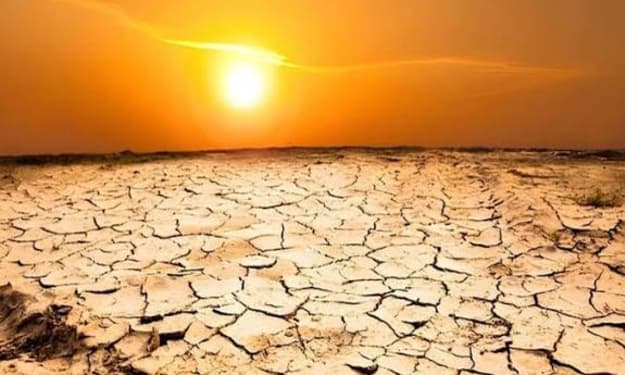
The Pakistan Meteorological Department has issued a forecast indicating that Sindh province is expected to experience a prolonged period of dry weather over the coming weeks. Meteorologists say the region will see little to no rainfall, with temperatures remaining above seasonal averages, raising concerns about agriculture, water resources, and public health. According to the Met Office, a high-pressure system over the Arabian Sea and the Indian subcontinent is likely to dominate weather patterns in Sindh for the next fortnight. This atmospheric configuration inhibits cloud formation, leading to clear skies and minimal precipitation. Forecasts predict daytime temperatures in major cities, including Karachi and Hyderabad, to hover between 28°C and 34°C, slightly above the long-term average for this period. Nighttime temperatures are expected to remain mild, ranging from 18°C to 22°C. The dry spell comes at a critical time for the agricultural sector. Sindh is a major contributor to Pakistan’s wheat, sugarcane, and rice production. Farmers are being advised to monitor soil moisture levels carefully and consider supplemental irrigation for crops at sensitive growth stages. Prolonged dry conditions can affect germination, yield, and quality, particularly for wheat crops that rely on moderate rainfall in the final stages before harvest. Water resource management is also expected to become a key challenge. Reservoirs and canals in Sindh, which depend on upstream flows from the Indus River system, are already operating at variable levels due to reduced inflows and increased water demand. Local authorities are monitoring water distribution closely, emphasizing conservation measures and urging residents to avoid excessive usage. In some districts, water rationing plans may be activated if the dry period persists. Public health officials have cautioned about potential heat-related risks. Although the current temperatures are not extreme, prolonged dry conditions can exacerbate health issues, particularly for vulnerable populations such as the elderly, children, and people with preexisting medical conditions. Heat stress, dehydration, and respiratory issues may become more common if residents do not take appropriate precautions. Health authorities recommend staying hydrated, avoiding prolonged exposure to the sun during peak hours, and ensuring access to cool environments. The Met Office also noted that dust storms and haze could occur in some areas due to the dry conditions combined with occasional strong winds. These phenomena can reduce visibility and impact road traffic, aviation, and outdoor activities. Residents are advised to take safety precautions, particularly when traveling, and to follow local advisories regarding dust and air quality. Economists have warned that the dry spell could have indirect effects on local markets. Reduced crop output may drive up food prices, especially for wheat, rice, and vegetables, affecting household budgets and contributing to inflationary pressures. Traders and suppliers are being advised to monitor market conditions and plan accordingly to avoid shortages or sudden price hikes. Despite the dry weather, meteorologists have noted that this pattern is part of a natural seasonal variation. Sindh typically experiences dry periods during the pre-monsoon and post-winter seasons, and occasional heat waves are not unusual. However, experts also emphasize that climate change may be altering rainfall patterns, leading to longer dry spells and more unpredictable weather events. Continuous monitoring and early warning systems are essential to mitigate risks to agriculture, water supplies, and public health. Authorities in Sindh have urged residents and local businesses to remain vigilant. Farmers should adopt efficient irrigation practices, municipal agencies should ensure water distribution networks function effectively, and the public should take measures to protect health and safety. Collaboration between government departments, meteorological agencies, and the community will be crucial in managing the impacts of this dry period. Looking ahead, the Met Office expects the dry spell to continue into late March, with little relief from rainfall until the onset of the pre-monsoon showers. While temperatures are likely to remain moderate, the persistence of dry weather underscores the need for careful planning and resource management in Sindh. Residents are encouraged to stay updated with official forecasts and advisories to minimize the effects of prolonged dry conditions on daily life and livelihoods.
By Fiaz Ahmed a day ago in Longevity



Comments
There are no comments for this story
Be the first to respond and start the conversation.