
Should You Consider an Echo Bike If You Already Own a SkiErg?
This was a question I grappled with for quite some time

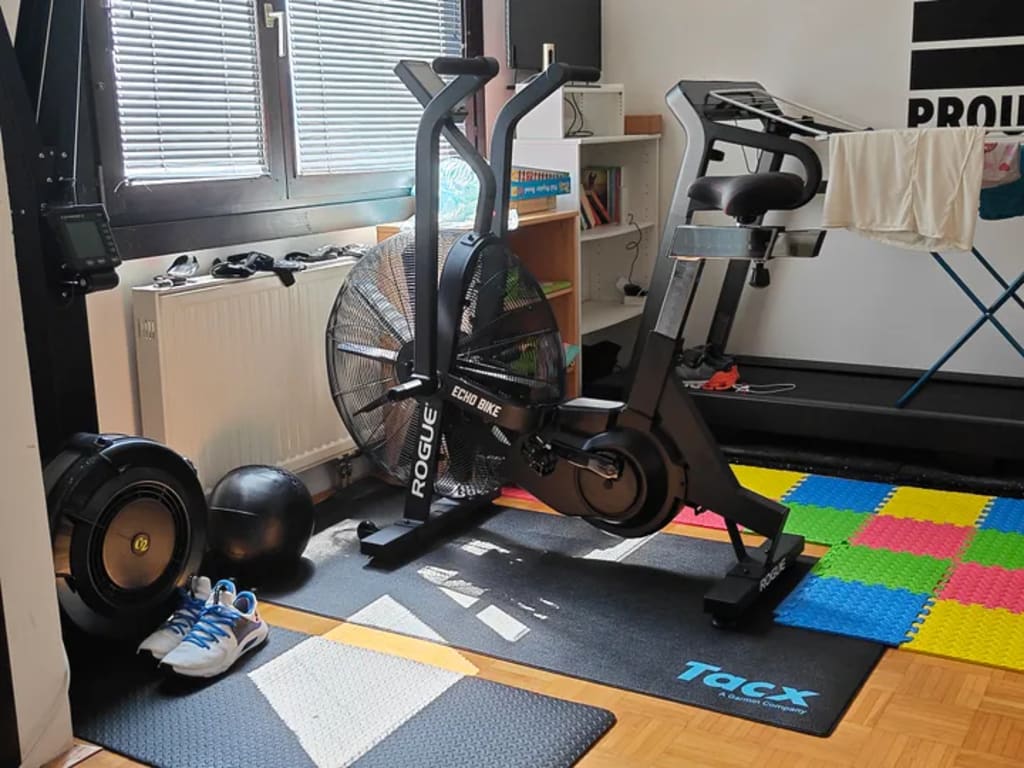
Back in 2020, at the height of the early COVID era, I purchased a RowErg. It was an impulse buy, motivated by the need for a fitness tool to balance out my running and cycling routine. My thinking at the time was, “Great, this will give me a solid upper-body workout.” Unfortunately, that turned out to be my most misguided purchase of the year.

I quickly realized that rowing is predominantly a lower-body exercise. Sure, the RowErg engages the entire body to some extent, but it's heavily leg-focused. And thus, my rowing journey began: tackling 5k, 10k, 21k, 42k, and even a 50k row. My legs grew even stronger, with my quads and calves becoming more defined than ever before.
However, my upper body told a different story. While I wouldn't say I looked like someone who skipped chest or arm days entirely, the imbalance was noticeable. My lower-body strength far outpaced my upper-body development, leaving me to wonder if an Echo Bike - or perhaps another piece of equipment - could fill that gap.
Time to Invest in a SkiErg
This time, I did my homework. The SkiErg offers a completely different workout dynamic - approximately 90% upper-body engagement and only 10% reliance on the legs.
In October 2022, after much consideration, I made the decision to purchase one.
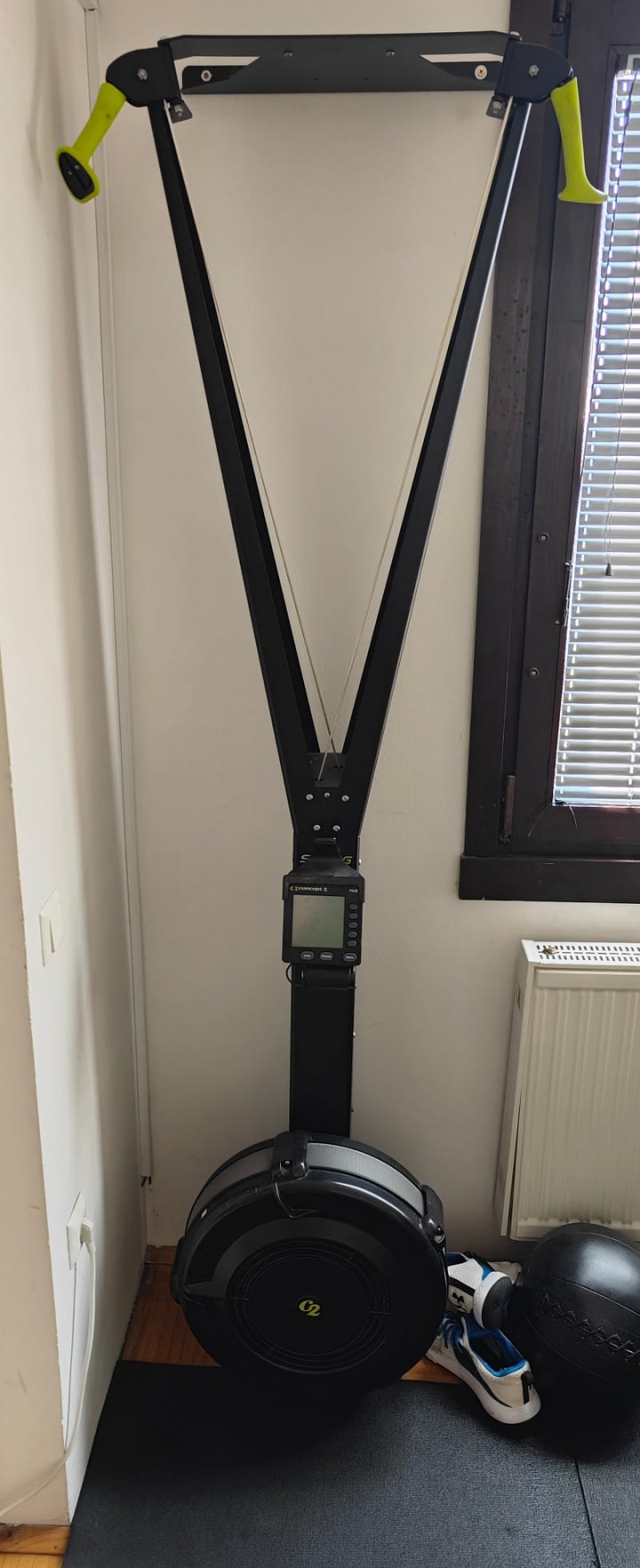
Compared to the RowErg, mastering the SkiErg's technique was a much quicker process. However, the training approach for the SkiErg is distinct. It excels in high-intensity interval training (HIIT) and interval-based workouts. Throw in a Tabata session, and you've got yourself an incredible upper-body workout tool.
I have to admit - I fell in love with the SkiErg almost instantly, and that enthusiasm hasn't waned. Training with it has become an integral part of my routine.
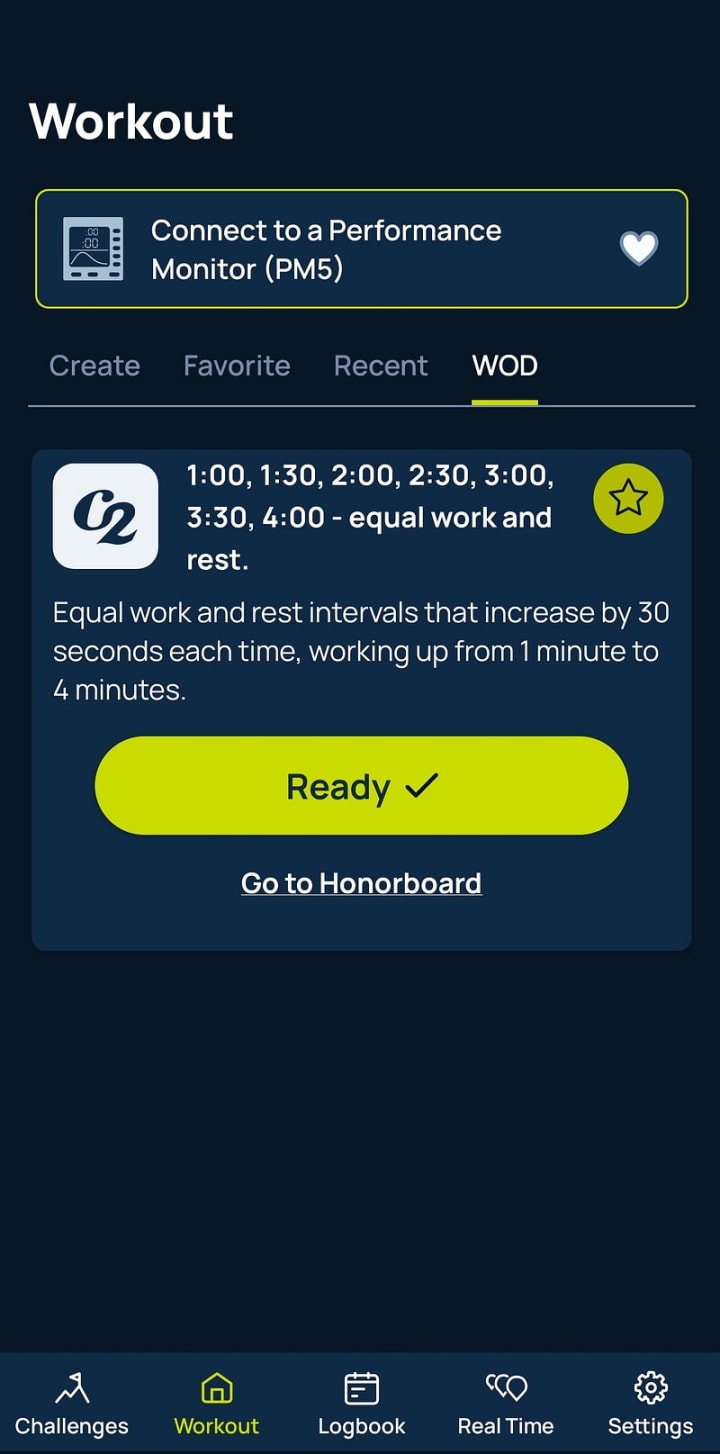
I also used Concept2's ErgData app to track my workouts. Most of my sessions were built around their "Workout of the Day" (WOD) offerings. The WOD Leaderboards were a fantastic motivator, allowing me to benchmark my performance against others in my age group or compete on ranked workouts by distance or time.
Echo Bike: A New Addition to My Training Setup
I first noticed the Echo Bike during the 2023 CrossFit Games, where it was frequently used as a warm-up and cool-down device.

Curious, I began researching and comparing it to the Assault Bike to determine which was better. Ultimately, as the title suggests, I decided on the Echo Bike. Based on many reviews, I also purchased the Wind Guard, which came highly recommended. However, I opted out of the extra Turf Tires (I live in an apartment building), the phone holder, and the bottle cage.

I ordered the bike from Rogue Fitness EU, and it arrived within a few days via FedEx.

Assembly and First Impressions
The assembly process was straightforward, though the Echo Bike is extremely heavy. Having an extra pair of hands is definitely helpful, especially for getting it out of the box. Once set up, I noticed that unlike the SkiErg or RowErg, the Echo Bike doesn't have adjustable difficulty settings, such as a damper. Instead, it requires more effort to start, but once you're moving, the resistance remains consistent.

Getting into a rhythm with the arms and legs working in sync took a bit of practice, but I eventually got the hang of it. The Echo Bike also allows for some compensation - for example, giving tired quads a brief rest by adjusting how you engage your arms.
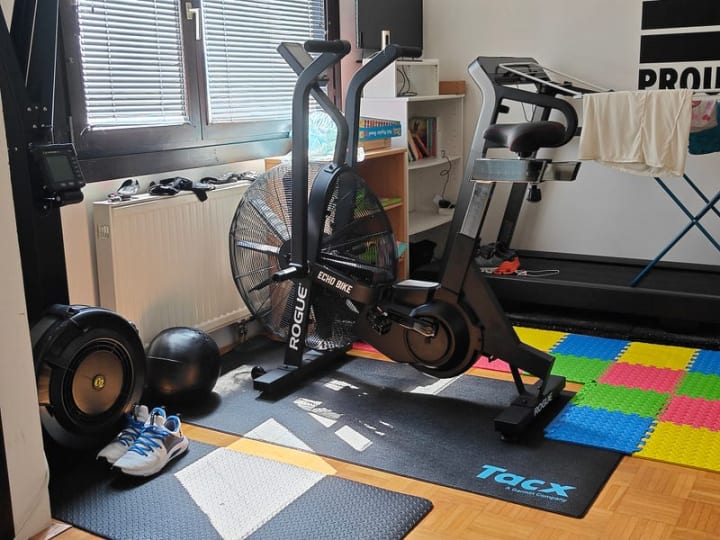
One incredibly useful addition to the Echo Bike setup is the Tacx Rollable Trainer Mat (part number T2918). This mat serves as an excellent sweat-catcher, keeping your workout area clean while providing the perfect surface to prevent the Echo Bike from moving during intense sessions. The material is durable, easy to clean, and fits seamlessly into any home gym setup.
After a few days of use (and getting over the initial muscle soreness, which is notably absent with the SkiErg), I began exploring training combinations. While there are WOD sites that let you filter workouts by equipment combinations, the most helpful resource I discovered was JLFitness Miami, SkiErg & Assault Bike WOD page. It offered practical and effective workout ideas for integrating the Echo Bike into my routine.

The page I mentioned earlier provides six different training combinations specifically designed for the SkiErg and Echo Bike. Most of these sessions include estimated completion times, which is incredibly helpful for planning workouts.
On days when I don't feel like switching back and forth between devices, I simply adapt Concept2's Workout of the Day (WOD). I complete the WOD on the Echo Bike first, then move on to the SkiErg afterward for a straightforward but effective routine.
Over time, I began incorporating other exercises to diversify my training sessions. Adding movements like dumbbell snatches, wall balls, and air squats has made my workouts more dynamic and well-rounded.
What I Miss on the Echo Bike
After several years of using the RowErg and SkiErg, I became accustomed to the versatility of the PM5 monitor and its wide array of options.

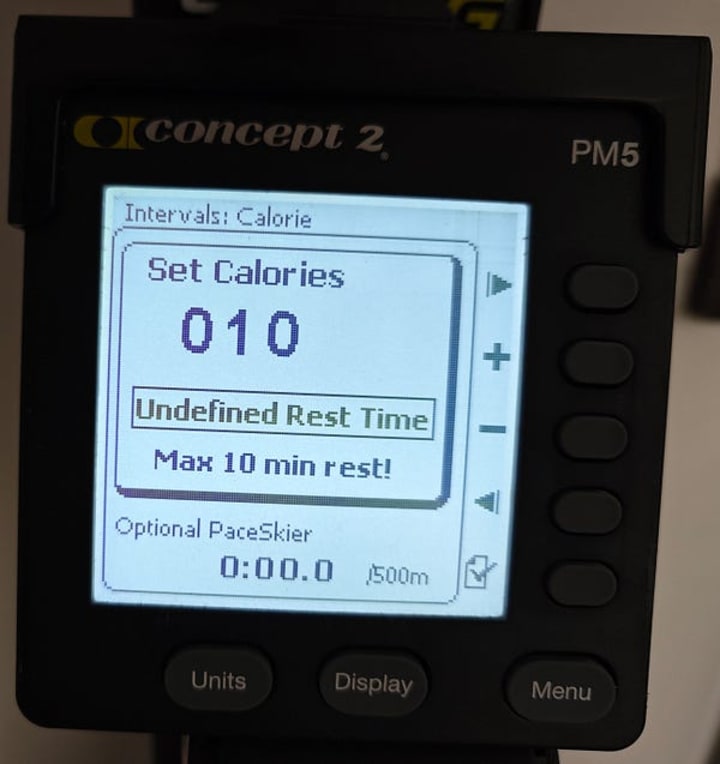
The PM5 makes it easy to set up intervals, offering combinations of calories, distance, and time. For example, you can program 10 calories followed by 1:00 of rest - or even set unlimited rest (though the timeout is 10 minutes, accumulated). This flexibility is something I took for granted.
When I started using the Echo Bike, its monitor interface felt surprisingly limited in comparison.
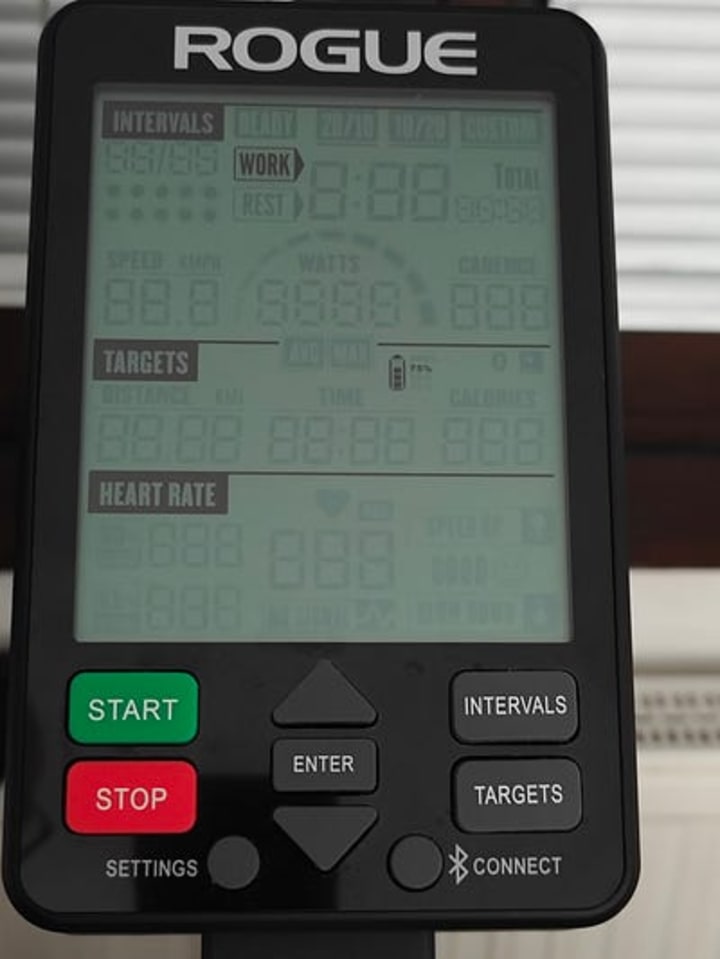


On the Echo Bike, interval programming is strictly time-based. If you want to create a combination of calories and time - or any custom configuration - you'll need to manage it manually using the Targets function. For example, you can set calorie or distance goals, but rest intervals must be tracked separately using a watch or phone.
Additionally, the Echo Bike has some quirks with its minimum settings. The lowest target times are capped at 1 minute, distances at 0.5 km, and calories at 1. This base programming feels unnecessarily rigid and less user-friendly compared to the PM5.


While the Echo Bike is a phenomenal tool for conditioning, its monitor's limitations can be frustrating for anyone used to the advanced functionality of Concept2's PM5.
Final Thoughts: Should You Get an Echo Bike If You Already Own a SkiErg?
Ultimately, the Echo Bike and SkiErg complement each other well, offering diverse and effective workout options. The SkiErg excels in upper-body-focused, high-intensity interval training, while the Echo Bike provides a full-body cardiovascular challenge with a slightly different dynamic.
If you're looking to round out your home gym and enhance your training variety, the Echo Bike is a solid investment. While its monitor lacks the flexibility of the PM5 found on Concept2 machines, its performance, durability, and versatility more than make up for it. Pairing these two machines creates a balanced training setup that can target all muscle groups, improve overall fitness, and keep your workouts engaging.
About the Creator
Keep reading
More stories from Aleš Sušnik and writers in Longevity and other communities.
Garmin Fenix 8 — broken touchscreen functionality with software 13.35 — temporary workaround and additional information
Issue Summary I wrote about this on March 8th, 2025. Here’s a quick recap: If you disable Sleep Mode before the scheduled Focus Mode: Sleep mode ends and have the Touchscreen Disabled option enabled for Sleep Mode, the touchscreen will not re-enable as expected.
By Aleš Sušnik11 months ago in Longevity
Day 4 of Quitting
If this is how sobriety feels, maybe it’s better to go through life a little buzzed… this, along with other hits like, I want to kill myself, I wish I was dead, and I’m going to throw myself off a bridge have been the only thoughts on rotation these past few days. I promise myself that if, in a month, I still feel like this (‘this’ meaning despondent, full of rage, and simultaneously numb) I can go back to smoking. Until mid-February though? Nicotine is off the table.
By sleepy drafts19 days ago in Longevity
Nothing Magic About the Grapefruit Diet
When proponents of a diet plan use the word “magic” to describe how the system they champion works, warning flags need to go up. The diet in question is the Grapefruit Diet. It is one of the oldest, and most imitated, fad diets in existence.
By Dean Traylora day ago in Longevity



Comments
There are no comments for this story
Be the first to respond and start the conversation.