
Nothing Magic About the Grapefruit Diet
Fad diets such as the Grapefruit Diet seem to offer a "magic" solution for those looking to shed pounds. However, this diet may have a heavy price on one's health, in the long run.


When proponents of a diet plan use the word “magic” to describe how the system they champion works, warning flags need to go up. The diet in question is the Grapefruit Diet. It is one of the oldest, and most imitated, fad diets in existence.
Its longevity as a quick, weight loss plan has been its best selling point to a desperate group of dieters. Unfortunately, it is also one of the unhealthiest diets in existence. In part, it's based on a dubious notion that something magical exists in a grapefruit that will help people shed pounds.
The Magical Grapefruit?
The Grapefruit Diet has been around since the 1930s. Since its inception, it has changed names several times. More recently, it was known as the Hollywood Diet and the Mayo Diet ( it must be pointed out that it is not associated with the Mayo Clinic).
Its popularity – and longevity – was due in part to word-of-mouth, constant circulations on the Internet, a proliferation of fad diet books, and numerous lecture circuits. Oddly enough, no one has been credited for starting this plan. In many respects, this is possibly why this diet has managed to be renamed or be included in other diet plans such as the Atkins Diet.
According to WebMD’s Weight Loss Clinic writer, Susan Davis (2025) with a medical review by Dr. Kathleen Zelman, the premise of the diet was based on an alleged “magical” ingredient in the citrus fruit that when ingested with protein would release an enzyme that caused fat burning and weight loss.
Focus on Calorie Intake
There are several versions of the diet. Food content is usually at the heart of them. It is a diet that is supposed to cuts down on carbohydrates and calories (sometimes as low as 800-1000 calories per day). In most cases, the diet calls for a small variety of foods that's high in protein. Seemingly, in its various forms, other foods are added, despite all the claims that the "magic" in the grapefruit will do all the work to trigger weight loss.
Also, the proponents of this diet often encourage dieters to drink black coffee and water throughout the day. No real explanation is given as to why these two drinks are needed. It's understandable about water (which is always needed in our daily life) but the coffee part is mere speculation. Is it meant to serve as a way to purge the system? Is the caffeine supposed to help trigger the enzymes in the grapefruit? In many cases it's never made clear.
Additionally, the proponents state that it's okay for the dieter to consume c high fat products such as butter and salad dressing. They also say dieters can their prepare their foods any way they want, including being fried.
Once again, there's no reason given as to why these items are needed or how they will help with weight loss.
Why Use Grapefruit?
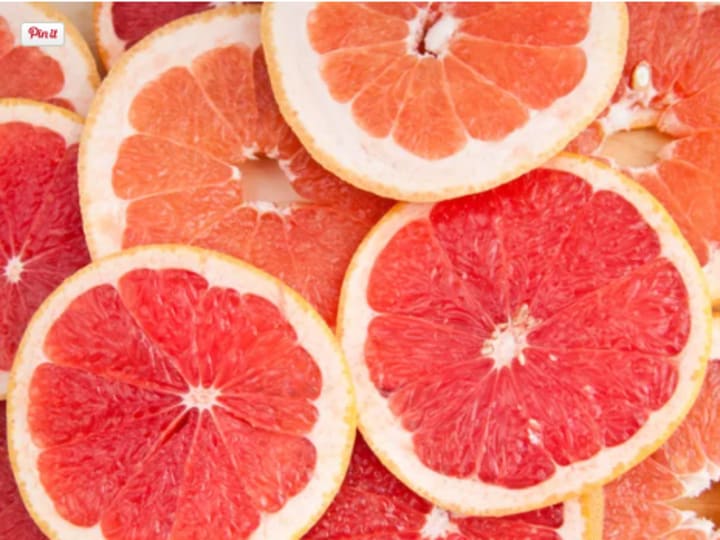
In theory, grapefruit or grapefruit juice is supposed to be included. In its defense, grapefruits have been found to be very nutritious. It is low in calorie (66 to 68 calories per serving), contains high fiber and vitamin C.
Also, according to a study made in 2006 and funded by the Florida Department of Citrus, the addition of a half grapefruit or four ounces of juice with meals results in an average weight loss of more than three pounds in 12 weeks (Zelman, 2010).
...a dramatic cut in calories will result in weight-loss. The problem with this however, is that most of what gets lost are fluids, not fat.
From this study, it appears that proponents of the Grapefruit Diet may have support for their claim. However, not one scientific study revealed that grapefruits and its magical ingredient helped with weight loss. Also, research has never found the existence or identity of that magical ingredient.
As mentioned, the secret to the program's weight loss may lie in the calorie count. The diet calls for a dramatic cut in calories. As Zelman pointed out in her article, a dramatic cut in calories will result in weight loss. The problem with this, however, is that most of what gets lost are fluids, not fat. And, those fluids, and its weight will return as soon as one finally quits the diet.
Real Dangers
The danger in this diet is that it drastically reduces daily calories intake. Most people need 2,000 calories per day or more in order to sustain a healthy body and weight. In effect, over time, dieters on this plan can starve themselves of essential nutrients and calories.
Also, the other danger is that this is a short-term weight loss program. In fact, many programs using the Grapefruit Diet tout that their system have immediate results of 10 pounds or more in a month (One website actually states a person can lose up to 50 pounds in 2.5 months).
Once again, these are claims coming from companies that use and promote a brand of the Grapefruit Diet and not from actual research. This is a red flag. Also, another red flag is that the diet varies from every program and tends to use a lot of gimmicks and false claims to sell their plans.
As a short-term diet (and just like most short-term diets), it does little to change the behavior and habits needed for long-term success. Instead, a short-term program leads to temporary weight-loss followed by immediate weight gain. This can lead to a yo-yo diet that can cause strain on the body's system, including the heart.
Another hazard for this diet is that some medications react with grapefruits. According to MedicineNet.com contributor, Dr. William C. Shiel Jr., grapefruit juice can directly or indirectly interact with a number of medications. He also states it blocks special enzymes in the wall of the small intestine that actually destroys many medications and prevents absorption by the body.
Final Thought
While grapefruits are nutritious, there's nothing special or magical about them. Also, the Grapefruit Diet is not that magical either. In fact, its limitation on calories and food portions might be a recipe for short-term weight loss, but it does little in the long run. In fact, it may lead to constant dieting and little or no loss of dangerous fats.

About the Creator
Dean Traylor
I wrote for college and local newspapers, magazines and the Internet (30 years). I have degree in journalism, masters in special education (and credentials), and certificate in screenwriting. Also, a special ed. teacher (25 years)
Keep reading
More stories from Dean Traylor and writers in Longevity and other communities.
Day 4 of Quitting
If this is how sobriety feels, maybe it’s better to go through life a little buzzed… this, along with other hits like, I want to kill myself, I wish I was dead, and I’m going to throw myself off a bridge have been the only thoughts on rotation these past few days. I promise myself that if, in a month, I still feel like this (‘this’ meaning despondent, full of rage, and simultaneously numb) I can go back to smoking. Until mid-February though? Nicotine is off the table.
By sleepy drafts18 days ago in Longevity
Vitamin K2 Market Size and Forecast 2025–2033: A Rapidly Expanding Global Nutraceutical Opportunity
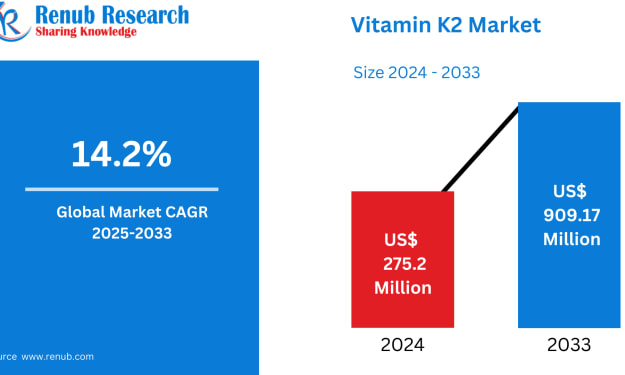
Global Vitamin K2 Market Outlook The global Vitamin K2 market is witnessing a transformative growth phase, driven by rising consumer awareness of preventive healthcare, expanding scientific validation of its health benefits, and the increasing adoption of functional foods and nutraceuticals. According to Renub Research, the global Vitamin K2 market is expected to reach US$ 909.17 million by 2033, up from US$ 275.2 million in 2024, registering a robust CAGR of 14.2% from 2025 to 2033.
By Marthan Sir4 days ago in Longevity



Comments
There are no comments for this story
Be the first to respond and start the conversation.