
"Prostate Cancer: Advances in Treatment and Prevention"
"Integrating Medical Interventions and Natural Approaches for Better Men's Health"

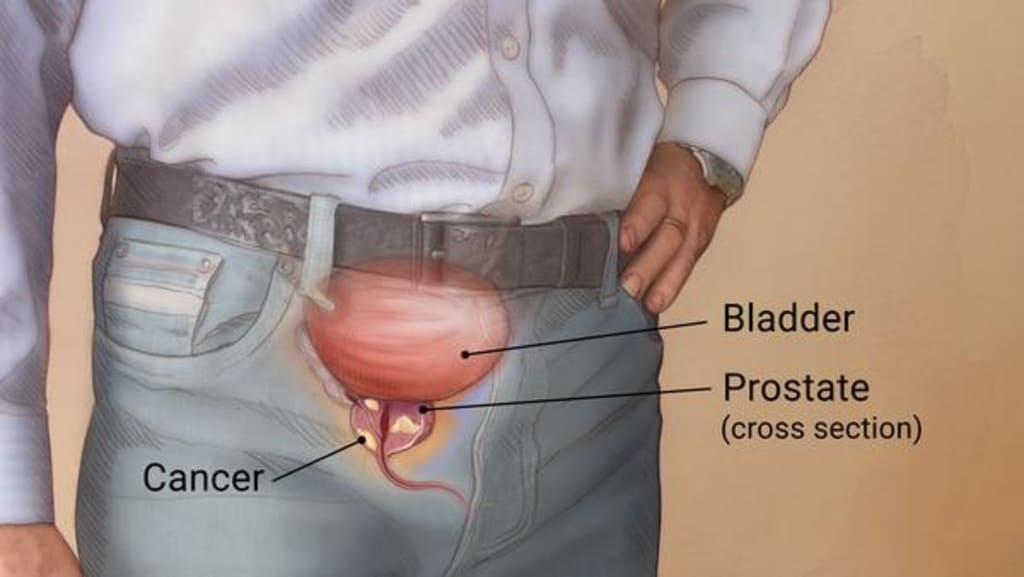
Prostate cancer is a common form of cancer that affects the prostate gland in males. The prostate gland is a small, walnut-sized organ located below the bladder and in front of the rectum. Its primary function is to produce fluid that nourishes and transports sperm during ejaculation.
Prostate cancer occurs when the cells in the prostate gland undergo abnormal growth and start dividing uncontrollably. The exact cause of prostate cancer is not fully understood, but several risk factors have been identified, including age, family history, and race. Men over the age of 50, those with a family history of prostate cancer, and African-American men are at higher risk of developing the disease.
"They should rename prostate cancer to 'pro-state-of-trouble.' It would surely get more attention!"
Early-stage prostate cancer often does not cause noticeable symptoms. As the cancer advances, symptoms may include difficulty urinating, frequent urination, blood in the urine or semen, erectile dysfunction, and discomfort in the pelvic area. However, these symptoms can also be caused by other non-cancerous conditions, making it essential to consult a healthcare professional for proper diagnosis.
To detect prostate cancer, doctors may perform a digital rectal exam (DRE) to feel for any abnormalities in the prostate gland. They may also conduct a blood test to measure the levels of prostate-specific antigen (PSA), a protein produced by the prostate gland. Elevated PSA levels can indicate the possibility of prostate cancer, though further tests, such as a biopsy, are required to confirm the diagnosis.
Treatment options for prostate cancer depend on various factors, including the stage of cancer, the age and overall health of the patient, and their preferences. Common treatment approaches include active surveillance (monitoring the cancer's progression without immediate intervention), surgery, radiation therapy, hormone therapy, chemotherapy, and immunotherapy.
Prostate cancer research continues to advance, leading to better understanding, earlier detection, and improved treatment options. Regular screenings and discussions with healthcare professionals are crucial for early detection and successful management of prostate cancer.
Prostate cancer treatment and prevention are critical aspects of men's health. While medical interventions play a central role in managing prostate cancer, there are also natural remedies and lifestyle changes that can complement traditional treatments and promote overall well-being.
Treatment for Prostate Cancer:
Surgery: Surgical removal of the prostate gland (prostatectomy) is a common treatment option for localized prostate cancer.
Radiation Therapy: High-energy rays are used to target and kill cancer cells in the prostate. It can be delivered externally or through implanted radioactive seeds.
Hormone Therapy: Prostate cancer cells often depend on male hormones (androgens) to grow. Hormone therapy aims to reduce androgens or block their effects on cancer cells.
Chemotherapy: Medications are used to kill cancer cells or stop their growth. Chemotherapy is typically employed for advanced prostate cancer.
Immunotherapy: This treatment boosts the body's immune system to recognize and attack cancer cells more effectively.
Cryotherapy: Involves freezing the prostate tissue to destroy cancer cells.
High-Intensity Focused Ultrasound (HIFU): Uses focused ultrasound waves to heat and destroy cancer cells in the prostate.
Prevention of Prostate Cancer:
Healthy Diet: Consume a diet rich in fruits, vegetables, whole grains, and lean proteins. Limit red and processed meats, as they have been associated with an increased risk of prostate cancer.
Regular Exercise: Engage in regular physical activity, as it may reduce the risk of developing prostate cancer and improve overall health.
Maintain a Healthy Weight: Obesity has been linked to a higher risk of aggressive prostate cancer. Strive to maintain a healthy weight through a balanced diet and exercise.
Quit Smoking: Smoking is associated with an increased risk of developing aggressive prostate cancer. Quitting smoking can lead to multiple health benefits, including reduced cancer risk.
Limit Alcohol Intake: Excessive alcohol consumption may increase the risk of prostate cancer. Moderation is key if you choose to drink alcohol.
Get Screened: Regular screenings for prostate cancer, such as a digital rectal exam (DRE) and prostate-specific antigen (PSA) test, are essential, especially for men at higher risk.
"I asked my doctor about the side effects of prostate cancer treatment. He said I might become an expert at crossword puzzles during bathroom breaks!"
Natural Remedies and Lifestyle Changes:
While natural remedies cannot replace medical treatments, some evidence suggests that certain supplements and lifestyle changes may support prostate health:
Saw Palmetto: Some studies suggest that saw palmetto extract may alleviate prostate-related urinary symptoms, although more research is needed.
Green Tea: Green tea contains antioxidants that may have a protective effect against prostate cancer.
Tomato Products: Tomatoes are rich in lycopene, an antioxidant linked to reduced prostate cancer risk. Cooking tomatoes enhances the bioavailability of lycopene.
Cruciferous Vegetables: Broccoli, cauliflower, and other cruciferous vegetables contain sulforaphane, a compound that may have anti-cancer properties.
Exercise Regularly: Engaging in physical activity can help maintain a healthy weight and may reduce the risk of aggressive prostate cancer.
Manage Stress: Chronic stress can negatively impact overall health. Practicing relaxation techniques like meditation or yoga can be beneficial.
Always consult with a healthcare professional before incorporating natural remedies, supplements, or significant lifestyle changes, especially if you are already undergoing medical treatment for prostate cancer. Integrating natural approaches with conventional treatments can be an effective way to support prostate health and overall well-being.
In conclusion, prostate cancer is a significant health concern for men, particularly as they age. It is essential to raise awareness about the risk factors and symptoms associated with prostate cancer and encourage regular check-ups to ensure early detection and appropriate treatment.
"Prostate cancer might be a pain in the butt, but with humor, we can kick it in the butt!"
About the Creator
Go With Trend
"Express, Connect, Impact - Welcome to "Go With Trend"!
Discover the magic of Letters on our vibrant platform. 🎙️ Share stories, sing your heart out, and connect with a global audience. 🌍 Unleash your creativity today! ✨ #"Go With Trend"
Keep reading
More stories from Go With Trend and writers in Longevity and other communities.
"Protecting Cognitive Health: Strategies for Reducing Alzheimer's Disease Risk"
Alzheimer's disease is a progressive neurodegenerative disorder that affects the brain, particularly the areas responsible for memory, thinking, and behavior. It is the most common cause of dementia, a group of symptoms that impair cognitive functions significantly. The disease was first identified by Dr. Alois Alzheimer in 1906, hence the name.
By Go With Trend3 years ago in Longevity
How China Is Challenging the U.S. to Become the Next Great Space Power
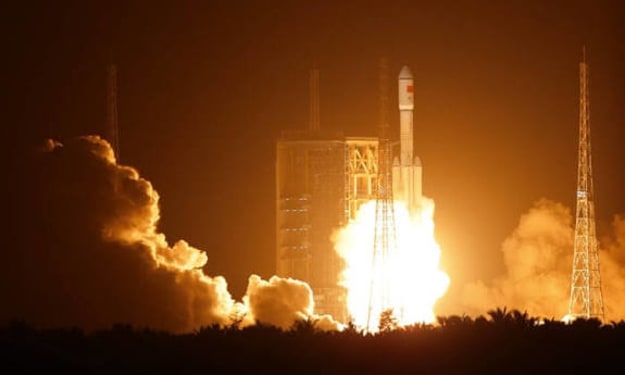
As Beijing’s space ambitions expand, Washington faces an intensifying geopolitical and technological rivalry in orbit and beyond. In the early decades of the 21st century, the United States long stood unchallenged as the dominant space power — a position built on decades of NASA leadership, unmatched launch capability, and a vibrant commercial space economy. But today, a determined China is mounting one of the most consequential strategic challenges in space since the Cold War, pushing to rival — and ultimately surpass — the U.S. in space influence, technology, and strategic advantage. National Strategy and Long‑Term Vision China’s leaders have openly signaled their ambition to become a global space powerhouse. Official space policy documents and state planning envision a broad array of capabilities — from heavy‑lift rockets to lunar exploration — aimed at reshaping the space order that has been U.S.‑dominated for decades. According to analyses of government planning, Beijing intends to establish a full suite of launch vehicles, satellites, and space infrastructure that could surpass current international norms by mid‑century. Underpinning this vision is a belief among Chinese space officials that self‑reliance and indigenous innovation are key to international competitiveness. Recent reports in state media emphasize that China’s aerospace industry is pushing far beyond imitation toward original technological breakthroughs in areas like rocket manufacturing, intelligent space systems, and advanced materials — all with the strategic goal of securing leadership in space. Commercial Space: From Government Giants to Private Innovators China’s rapid ascent isn’t limited to state space agencies. A growing ecosystem of private space companies — much like the commercial boom seen in the U.S. — has taken root, focusing on reusable rockets, satellite networks, and novel space services. A recent South China Morning Post report highlights Beijing’s push to encourage private innovation within its space sector, supporting technologies such as reusable launch vehicles, space debris monitoring, extraterrestrial resource utilization, and even in‑space biomanufacturing — fields long dominated by U.S. firms such as SpaceX or Blue Origin. This commercial expansion broadens China’s capabilities and compresses the technological gap with the U.S., challenging American assumptions that commercial innovation is exclusively an American forte. It also signals a shift in global space economics, where China may soon contend for commercial markets once dominated by Western companies. Military and Strategic Dimensions Alongside civil and commercial ambitions, China’s space strategy has clear military implications. U.S. strategic assessments note Beijing’s efforts to build counterspace capabilities — systems designed to deter, deny, or degrade another nation’s satellite operations — a key advantage in future conflicts. China has already deployed anti‑satellite weapons, jamming technologies, and sophisticated ground‑to‑space radar systems that could threaten U.S. space assets in a crisis. For the United States, which relies heavily on space systems for communication, navigation, and battlefield awareness, these capabilities represent a serious strategic challenge. Beijing’s ability to field space and counterspace technologies could blunt some of Washington’s military advantages in the Asia‑Pacific region and beyond. Lunar and Deep Space Objectives China’s Chang’e lunar exploration program is another marker of its space ambitions. With a series of increasingly complex robotic missions and plans for an International Lunar Research Station by the 2030s, Beijing aims to be a leading voice in lunar science and development — directly challenging the U.S. Artemis program and international partnerships spearheaded by NASA. � Wikipedia Missions like the strategically significant Queqiao‑2 communications relay satellite, which supports lunar missions over long distances, further demonstrate China’s growing sophistication in deep space operations and infrastructure deployment. U.S. Response: Maintaining Leadership Recognizing the challenge, U.S. policymakers are pushing legislative and strategic initiatives designed to preserve American competitiveness in space. A newly passed NASA authorization package includes provisions aimed at reinforcing U.S. lunar presence, strengthening Earth orbit assets, and countering Chinese influence in space science and technology — signaling a bipartisan consensus on the gravity of the space rivalry. A New Era of Cosmic Competition The emerging science and technological competition between China and the United States in space is unlike anything seen since the original Moon race. Today’s contest spans not only national prestige but military advantage, commercial opportunity, and scientific discovery. As each side pursues its vision of space dominance, the outcome will shape global power structures for decades to come — affecting diplomacy, security, and economic leadership both on Earth and beyond. If you’d like alternative versions, transcripts, or a set of headline + subtitle options for this topic, just let me know!
By Fiaz Ahmed 3 days ago in Longevity
Beginner Workout Routine at Home Without Equipment (Step-by-Step Full Body Guide)
Introduction Starting a fitness journey can feel overwhelming, especially for beginners who do not have access to a gym or expensive workout equipment. Many people want to improve their health and strength but are unsure where to begin or worry that working out at home may not be effective. The good news is that you do not need a gym membership or specialized machines to build a strong and healthy body. A well-structured beginner workout routine at home without equipment can help you develop strength, improve endurance, and establish a sustainable fitness habit.
By Core Well Fitabout 10 hours ago in Longevity



Comments
There are no comments for this story
Be the first to respond and start the conversation.