
Pre-Classical Period of Yoga: Discover the Fascinating Roots
Discover the Pre-Classical Period of Yoga: Roots of Spiritual Growth

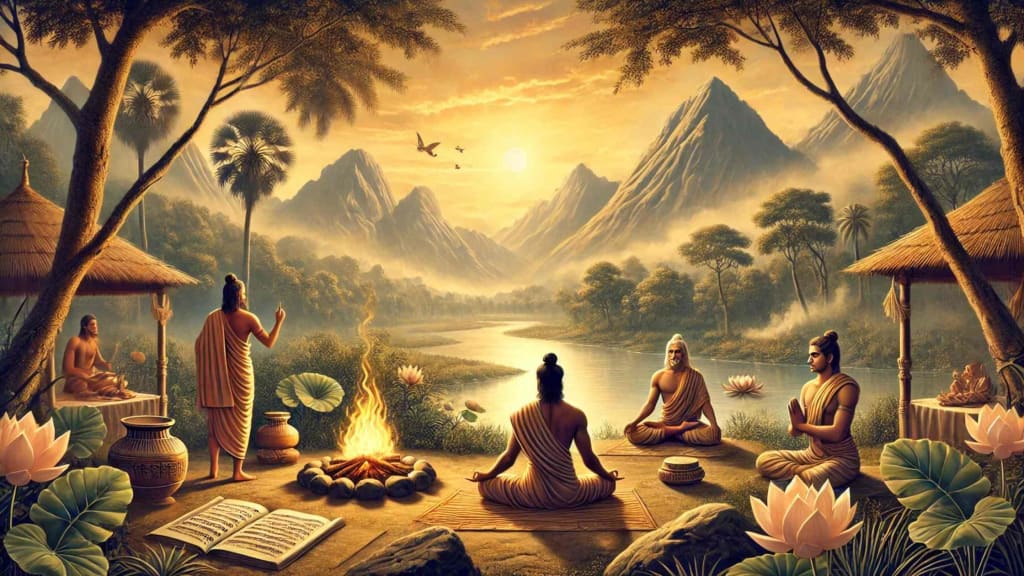
Yoga, a profound practice with transformative potential, finds its earliest roots in the pre classical period of yoga. This era marks the dawn of yoga as a structured discipline, shaping its evolution into what we know today. The pre classical yoga phase is a fascinating chapter in history, offering insights into the spiritual and philosophical foundations of this ancient practice. By exploring this period, we gain a deeper appreciation of yoga’s role in personality development and holistic well-being.
The Pre-Classical Period of Yoga: A Historical Overview
The pre-classical period of yoga spans several millennia, tracing its origins to the ancient Indus-Sarasvati civilization, around 3000 BCE. During this era, yoga was not just a physical practice but a way of life deeply intertwined with spirituality and philosophy. The knowledge of yoga from this period is primarily derived from the Vedas, the oldest sacred texts of India, and the Upanishads, which expound on the spiritual wisdom of the Vedic age.
Key Features of Pre-Classical Yoga
1. Philosophical Roots: The Vedas and Upanishads laid the groundwork for yoga as a spiritual discipline, focusing on meditation, self-realization, and the union of the individual soul with the universal spirit.
2. Ritual Practices: Early yoga involved Vedic rituals and chants designed to align practitioners with cosmic rhythms.
3. Emergence of Meditation: Meditation became a cornerstone of pre classical yoga, emphasizing mental clarity and inner peace.
Spiritual Foundations: The Vedas and Upanishads
The Vedas, composed in Sanskrit, are the oldest scriptures that mention yoga. Among these texts, the Rigveda highlights the importance of harmony between mind and body. Later, the Upanishads elaborated on these teachings, introducing concepts like dhyana (meditation) and prana (life force), which are still central to yoga practices.
One notable Upanishadic text, the Katha Upanishad, describes yoga as the steady control of the senses. This philosophical foundation makes the pre classical period of yoga a pivotal time for understanding its spiritual essence.
Yoga’s Role in Personality Development
During the pre classical period of yoga, the practice was seen as a pathway to self-improvement. By harmonizing the mind, body, and spirit, yoga fostered qualities like self-discipline, focus, and emotional resilience. These aspects of yoga for personality development are still relevant today, as individuals seek inner growth and fulfillment.
The Evolution of Pre-Classical Yoga Practices
As the pre classical period of yoga progressed, its practices evolved to include more structured approaches:
- Pranayama: Breath control techniques were developed to enhance vitality and mental clarity.
- Asanas: While physical postures were not as emphasized as in later periods, basic poses were used to prepare the body for meditation.
- Mantras: Chanting sacred sounds became a tool for concentration and spiritual awakening.
Influential Figures of the Pre-Classical Period
This era saw the emergence of sages and philosophers who profoundly influenced yoga’s development. Prominent among them were the rishis (seers) who composed the hymns of the Vedas and the mystics who penned the Upanishads. Their teachings form the cornerstone of pre classical yoga, emphasizing the unity of all existence.
The Legacy of Pre-Classical Yoga in Modern Times
The enduring wisdom of the pre classical period of yoga continues to inspire practitioners worldwide. Many modern yoga styles draw on its principles, particularly its emphasis on meditation and spiritual growth. By integrating these ancient teachings into contemporary life, we can cultivate balance, purpose, and well-being.
FAQs about the Pre-Classical Period of Yoga
1. What is the pre-classical period of yoga?
The pre-classical period of yoga is the earliest phase in yoga’s history, characterized by its spiritual and philosophical foundations found in the Vedas and Upanishads.
2. How does pre-classical yoga differ from modern yoga?
Pre-classical yoga focuses more on meditation, spiritual growth, and rituals, whereas modern yoga emphasizes physical postures and holistic wellness.
3. What are the main texts of the pre-classical period of yoga?
The primary texts are the Vedas and Upanishads, which provide the philosophical underpinnings of yoga.
4. How does pre-classical yoga contribute to personality development?
By fostering qualities like discipline, focus, and emotional balance, pre-classical yoga promotes holistic personality growth.
5. Why is the pre-classical period of yoga significant?
This period laid the groundwork for all subsequent yoga traditions, shaping its spiritual and philosophical dimensions.
About the Creator
Keep reading
More stories from Alissa Brad and writers in Longevity and other communities.
Change Your Life Using the Best Online Yoga Classes Right Now!
For millennia, yoga has been a transforming discipline encouraging physical, psychological, and spiritual well-being. Thanks to technology, doing yoga from the comfort of your house has gotten simpler than it ever has. Online yoga classes let you keep a regular practice independent of location or schedule.
By Alissa Brad11 months ago in Longevity
Day 4 of Quitting
If this is how sobriety feels, maybe it’s better to go through life a little buzzed… this, along with other hits like, I want to kill myself, I wish I was dead, and I’m going to throw myself off a bridge have been the only thoughts on rotation these past few days. I promise myself that if, in a month, I still feel like this (‘this’ meaning despondent, full of rage, and simultaneously numb) I can go back to smoking. Until mid-February though? Nicotine is off the table.
By sleepy drafts11 days ago in Longevity
Silver Screen Magic with Mae West
American actress and singer Mae West became a popular film actress during the Great Depression. She started entertaining in vaudeville, then performed on Broadway, and finally went to Hollywood. She signed up with Paramount Pictures and made her debut in the 1932 film “Night After Night.” She also starred in musicals, comedies, and crime dramas. The American Film Institute named her one of the best classic Hollywood actresses.
By Rasma Raisters5 days ago in Geeks



Comments
There are no comments for this story
Be the first to respond and start the conversation.