
Modern Strategies for Mental Health: Adapting to Today’s Challenges
Exploring Innovative Approaches and Tools for Enhancing Mental Well-Being in the Digital Age
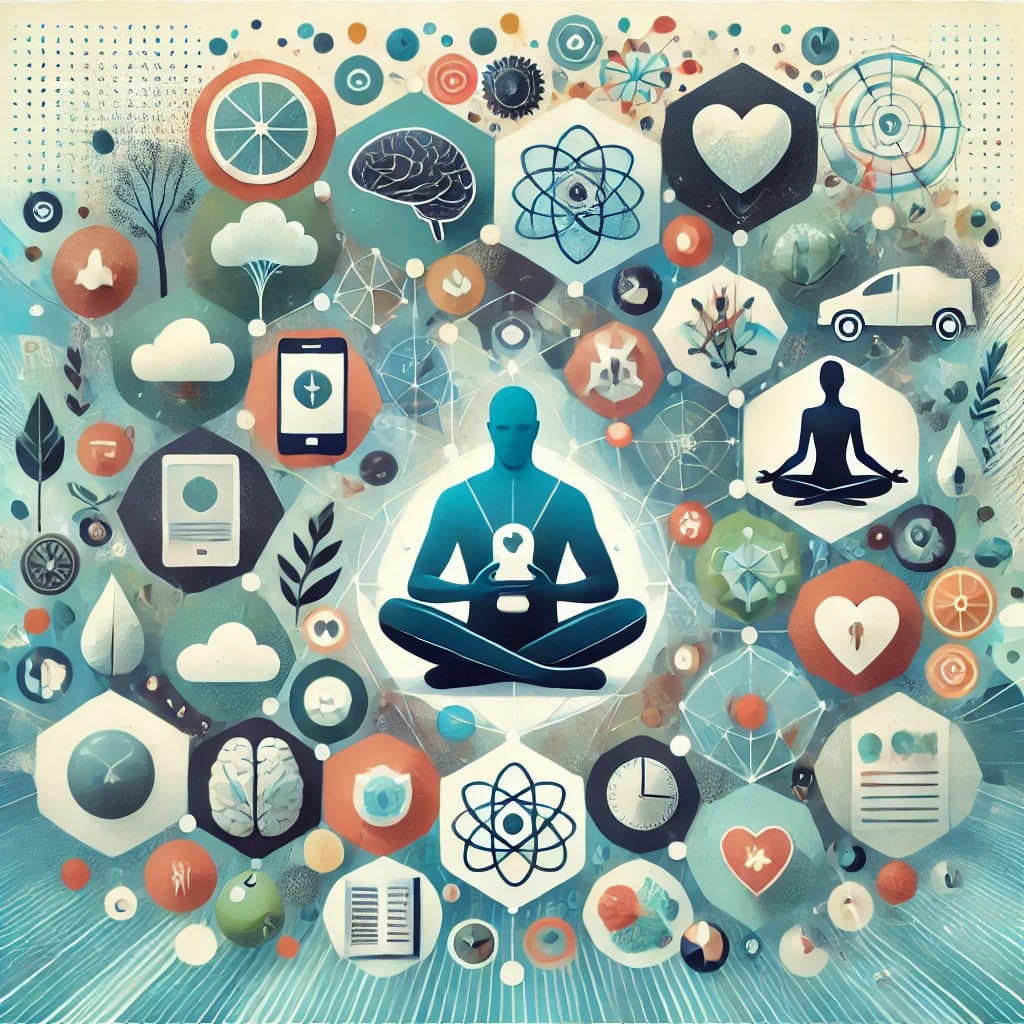
Navigating Mental Health in the Modern Era: Adaptive Strategies for Today’s World
In recent years, the conversation around mental health has gained unprecedented attention, leading to a greater understanding of its importance and the ways to address it. Modern life, with its unique set of challenges, has necessitated the development of adaptive strategies to promote mental well-being. These strategies reflect our evolving understanding of mental health and leverage both traditional practices and contemporary innovations to support individuals in managing their mental health effectively. Here, we explore some of the adaptive ways people are addressing mental health today.
1. Embracing Digital Mental Health Tools
The rise of digital technology has significantly transformed how mental health care is accessed and delivered. A plethora of apps and online platforms now provide resources for mental health support, making it easier for individuals to seek help and track their progress.
Mental Health Apps: Apps like Headspace and Calm offer guided meditations, mindfulness exercises, and relaxation techniques that can help users manage stress and anxiety. These tools are designed to be user-friendly and accessible, allowing individuals to integrate mental health practices into their daily routines easily.
Teletherapy: Online therapy platforms such as BetterHelp and Talkspace have made mental health counseling more accessible, particularly for those who may face barriers to in-person therapy. These platforms offer a range of services, including video calls, messaging, and phone sessions, providing flexibility and convenience.
Digital Journals and Mood Trackers: Apps like Moodfit and Daylio allow users to track their moods, thoughts, and behaviors, offering valuable insights into their mental health patterns. This self-monitoring can help individuals identify triggers and patterns, facilitating more personalized and proactive mental health management.
2. Promoting Mental Health Education and Awareness
Education and awareness are crucial in reducing stigma and promoting mental health. Modern approaches emphasize the importance of understanding mental health conditions and fostering an environment where individuals feel empowered to seek help.
Workplace Mental Health Initiatives: Many organizations are now implementing mental health programs to support employees. Initiatives may include mental health workshops, employee assistance programs, and creating a supportive work culture that encourages open discussions about mental health.
School Programs: Educational institutions are increasingly incorporating mental health education into their curriculums. Programs aimed at teaching students about mental health, coping strategies, and emotional resilience are becoming more common, helping to equip young people with essential skills for managing their mental health.
Public Awareness Campaigns: Campaigns by organizations such as the National Alliance on Mental Illness (NAMI) and Mental Health America work to raise awareness and educate the public about mental health issues. These campaigns often use social media, public service announcements, and community events to spread important information and reduce stigma.
3. Integrating Holistic and Alternative Therapies
In addition to traditional mental health treatments, many individuals are turning to holistic and alternative therapies to support their well-being. These approaches often emphasize the interconnectedness of mind, body, and spirit.
Mindfulness and Meditation: Practices such as mindfulness meditation and yoga have gained widespread popularity for their benefits in reducing stress and enhancing emotional regulation. These practices encourage individuals to focus on the present moment and develop a greater awareness of their thoughts and feelings.
Nutritional Therapy: There is growing evidence that diet and nutrition can impact mental health. Nutritional therapists and dietitians are exploring the connections between diet and mental well-being, recommending dietary changes that may support mood stability and cognitive function.
Acupuncture and Massage Therapy: Alternative therapies like acupuncture and massage therapy are used to promote relaxation and reduce symptoms of anxiety and depression. These practices are often integrated into comprehensive mental health care plans to provide additional support and relief.
4. Fostering Social Connections and Community Support
Social support plays a critical role in mental health, and fostering strong connections can help individuals navigate challenges and maintain emotional well-being.
Support Groups: Many people benefit from participating in support groups where they can connect with others who share similar experiences. These groups offer a space for sharing, understanding, and receiving emotional support, reducing feelings of isolation.
Community Engagement: Engaging in community activities and volunteering can enhance a sense of belonging and purpose. Community involvement provides opportunities for social interaction, skill-building, and contributing to a greater cause, all of which can positively impact mental health.
Online Communities: Digital platforms and social media have given rise to online mental health communities where individuals can find support and share experiences. These communities often provide a sense of connection and solidarity, especially for those who may feel isolated in their offline lives.
5. Adopting Personalized Mental Health Approaches
Recognizing that mental health is highly individual, personalized approaches are becoming more prevalent. Tailoring mental health strategies to fit individual needs and preferences can enhance their effectiveness.
Personalized Therapy: Therapists are increasingly using evidence-based approaches tailored to individual needs. Cognitive-behavioral therapy (CBT), dialectical behavior therapy (DBT), and other therapeutic modalities can be customized to address specific mental health challenges and goals.
Self-Care Plans: Developing a personalized self-care plan can help individuals manage their mental health proactively. This plan might include a combination of activities such as exercise, hobbies, relaxation techniques, and social interactions that are tailored to the individual’s preferences and needs.
Genetic and Biological Insights: Advances in genetic research and biological studies are providing new insights into mental health. Personalized treatment plans based on genetic predispositions and biological markers are emerging, offering more targeted and effective interventions.
Conclusion
In the modern era, mental health is being approached with a diverse array of adaptive strategies that reflect our evolving understanding of well-being. From leveraging digital tools and promoting education to integrating holistic therapies and fostering social connections, these strategies offer a comprehensive framework for supporting mental health. As our awareness and resources continue to grow, individuals have more opportunities than ever to manage their mental health effectively and lead fulfilling lives. The ongoing advancements and innovations in mental health care are paving the way for a future where mental well-being is prioritized, and individuals are empowered to thrive.
About the Creator
PETER J
Driven by a passion to inspire and uplift, Peter. J is a motivational story writer who weaves tales of resilience, personal growth, and triumph over adversity.
The Real Cost of Vehicle Accidents in the U.S.A
An automotive industry perspective grounded in data, history, and lived experience on America’s roads. Vehicle crashes are woven into the fabric of daily life in the United States. To many motorists, they’re a tragic “accident” but shift your lens toward the long arc of automotive history and economics, and a much larger picture emerges: one that touches families, business, government balance sheets, and the very structure of American mobility.
By Jane Smith3 days ago in Longevity
me, me, me
when i read back my poetry it screams “me, me, me” on my screen in bold letters and i can’t shut it up — most days, i cannot make any other words out; i want to throttle a thousand versions of the me gone by, i want to throw myself from a figurative balcony, i want to sink a sword into every pen i’ve held
By angela hepworth2 days ago in Poets




Comments
There are no comments for this story
Be the first to respond and start the conversation.