
Medical Uses and Future Prospects of Massage Therapy
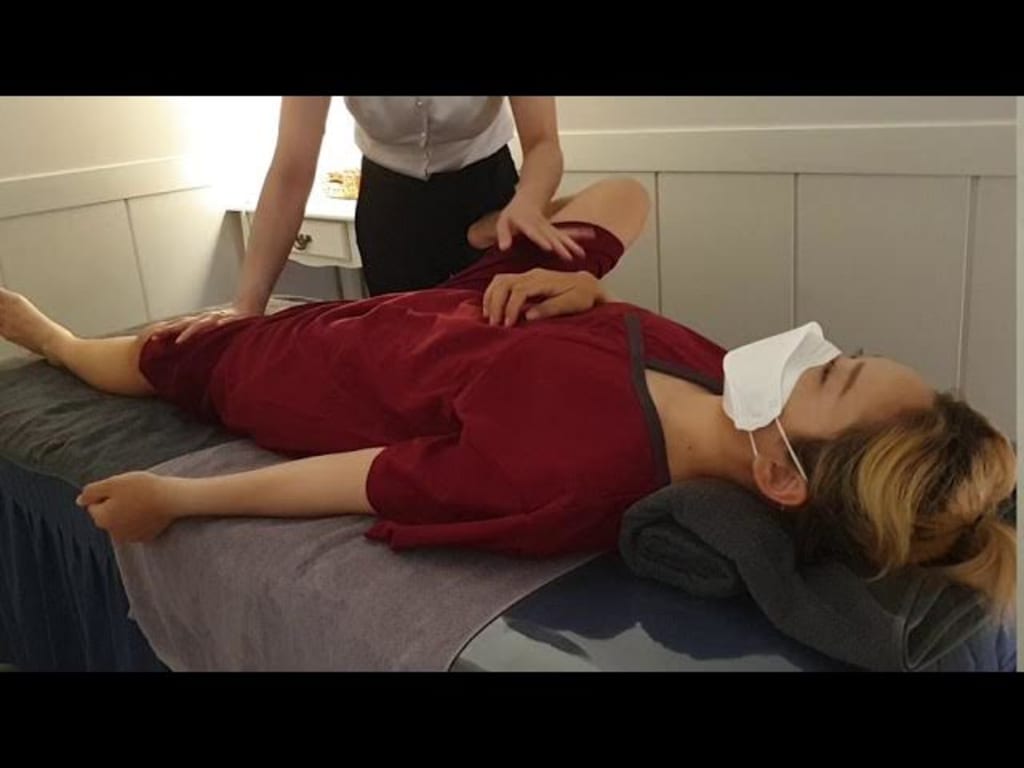
Massage therapy is a traditional and modern therapeutic technique that promotes human physical and mental health. Massage, which has developed in various cultures over thousands of years, is recognized as a health care method with complex therapeutic value beyond simple physical contact.
Introduction
Massage therapy is a traditional and modern therapeutic technique that promotes human physical and mental health. Massage, which has developed in various cultures over thousands of years, is recognized as a health care method with complex therapeutic value beyond simple physical contact.
Historically, massage can be traced back to ancient Chinese, Egyptian, and Greek civilizations, and was initially used as a traditional treatment for healing and relaxation. In modern times, massage has developed into a professional treatment technique with scientifically proven effectiveness in the fields of medicine, sports, and wellness.
This study explores the various therapeutic effects of massage therapy in depth. We will comprehensively examine the positive effects of massage therapy on the human body and mind, including treatment of musculoskeletal diseases, management of stress and mental health, and promotion of immune function and circulatory health.
Treatment of musculoskeletal diseases
Massage therapy is recognized as a very important non-invasive approach in the treatment and management of musculoskeletal diseases. Massage acts as an effective relief and treatment method for various musculoskeletal diseases such as myalgia, arthritis, and fibromyalgia.
The therapeutic mechanism of massage is complex. First, it relieves muscle tension and promotes blood circulation through direct physical manipulation of muscle tissue. This process accelerates inflammation reduction and tissue recovery, and directly contributes to pain relief. Relaxation of muscle fibers increases joint range of motion and improves overall body function.
Second, massage has a positive effect on the nervous system. It is effective in managing chronic pain by regulating the stimulation of pain receptors and promoting the secretion of natural painkillers such as endorphins. In particular, regular massage for patients with arthritis reduces pain intensity and facilitates movement in daily life.
Research results support the effect of massage therapy on improving musculoskeletal disorders. In clinical studies targeting patients with chronic low back pain, regular massage showed significant results in reducing pain and improving functionality. Patients with arthritis also experienced reduced joint pain and increased flexibility of movement after massage.
Massage therapy is gaining attention as a long-term management strategy for musculoskeletal disorders beyond simple temporary pain relief. A customized massage approach tailored to the individual’s condition and symptoms can provide more effective treatment results.
Stress and Anxiety Relief
Massage therapy is recognized as a powerful therapeutic approach for psychological stability and mental health promotion. It is gaining attention as a non-invasive and natural solution to the stress and mental health problems prevalent in modern people.
The psychological relaxation effect of massage is expressed through complex physiological mechanisms. First, massage directly reduces the secretion of stress hormones such as cortisol. Cortisol, which is secreted excessively in situations of continuous stress, can cause anxiety, depression, and decreased immune function, and massage effectively regulates these hormone levels.
Second, massage induces positive changes in the nervous system. It activates the parasympathetic nervous system, lowering the heart rate, relieving muscle tension, and promoting an overall state of relaxation. In the process, the secretion of neurotransmitters associated with positive emotions such as serotonin and dopamine increases.
Clinical studies targeting patients with depression and anxiety disorders support the mental health improvement effect of massage therapy. Regular massage has been shown to significantly reduce symptoms of depression and lower anxiety levels. It is particularly effective in relieving psychological distress caused by chronic stress.
The psychotherapeutic potential of massage goes beyond simple physical contact to offer the possibility of deep psychological healing. From the holistic perspective that the human body and mind are interconnected, massage can be understood as a holistic treatment method that promotes psychological well-being.
Immune Function and Circulatory Health
Massage therapy is an important therapeutic approach that has a profound positive effect on the immune function and circulatory health of the human body. It promotes the activation and circulation of immune cells through lymphatic stimulation, which acts as a key mechanism for strengthening the body's defense mechanism.
Lymphatic massage promotes the flow of lymph fluid, accelerating the removal of waste products and the movement of immune cells. In this process, the activity of T cells and natural killer cells (NK cells) increases, enhancing the overall immune defense. It plays an important role in restoring immune function that has been reduced due to chronic stress.
In terms of blood circulation, massage contributes to cardiovascular health through vasodilation and improved blood flow. Physical stimulation of muscles and tissues increases the elasticity of blood vessels and promotes blood circulation, enabling the efficient supply of oxygen and nutrients. It helps prevent cardiovascular disease and improve overall cardiovascular function.
Medical studies consistently report that regular massage leads to positive changes in immune markers and blood circulation indices. Specific physiological changes have been observed, such as increased immunoglobulin levels and decreased inflammatory markers, which demonstrate the therapeutic potential of massage therapy.
Evolution of massage therapy
Massage therapy is increasingly becoming an important therapeutic approach in the modern medical environment. Hospitals and medical centers are using massage therapy in an integrated manner for various purposes, such as pain management, rehabilitation, and stress reduction. Its importance is particularly highlighted in the field of cancer treatment, chronic pain patients, and geriatric care.
Technological innovations are further transforming the future of massage therapy. Recent developments in massage robots and wearable devices provide precise and personalized massage experiences. Advances in artificial intelligence and robotics have made it possible to implement massage programs optimized for an individual’s physical condition and needs.
Wearable massage devices enable stress relief and muscle relaxation at any time in everyday life. Technologies that monitor the user’s physical condition in real time and provide customized massage patterns by linking with smartphones are rapidly developing.
In the future medical field, massage therapy is expected to become a key element of preventive medicine and integrated treatment. As a non-invasive and safe treatment method, it is expected to develop into an important component of personalized health management solutions. In particular, its utilization is expected to expand in various fields such as chronic disease management, mental health treatment, and geriatric care.
Conclusion
Massage therapy is becoming an increasingly important therapeutic approach in modern medicine. This study confirmed that massage is a complex and scientific treatment method beyond a simple relaxation technique.
The therapeutic effects of massage therapy in terms of musculoskeletal system, mental health, and immune function have been clearly proven. It contributes to the promotion of holistic health through various physiological mechanisms such as muscle relaxation, blood circulation promotion, pain reduction, stress hormone regulation, and immune cell activation.
However, massage therapy still has some limitations. The effects may vary depending on the individual's physical condition and disease state, and it can only be applied as an auxiliary treatment method in some serious medical conditions. In addition, the lack of a standardized protocol and the variability of treatment effects due to individual differences are also challenges that need to be addressed.
The following approaches are needed for the development of future massage therapy. First, more scientific clinical studies should be conducted to deeply elucidate the treatment mechanism. Second, the development of precise and personalized massage techniques utilizing AI and robotics technology is required. Third, massage therapy should be more systematically integrated into medical education courses.
The importance of massage therapy cannot be overemphasized. As a non-invasive, safe, and holistic treatment method that can address various health problems, its utilization in the medical field should be further expanded in the future. Massage therapy, which can simultaneously promote an individual's physical and mental well-being, will become an important alternative treatment method in modern medicine.
About the Creator
Mr. choi
I think you can enjoy sports more if you have basic knowledge about sports. I want to create opportunities to learn little by little. I want to provide information such as sports broadcasts and sports news.
Day 4 of Quitting
If this is how sobriety feels, maybe it’s better to go through life a little buzzed… this, along with other hits like, I want to kill myself, I wish I was dead, and I’m going to throw myself off a bridge have been the only thoughts on rotation these past few days. I promise myself that if, in a month, I still feel like this (‘this’ meaning despondent, full of rage, and simultaneously numb) I can go back to smoking. Until mid-February though? Nicotine is off the table.
By sleepy drafts11 days ago in Longevity



Comments
There are no comments for this story
Be the first to respond and start the conversation.