
Clinical Application and Effectiveness Case Analysis of Swedish Massage
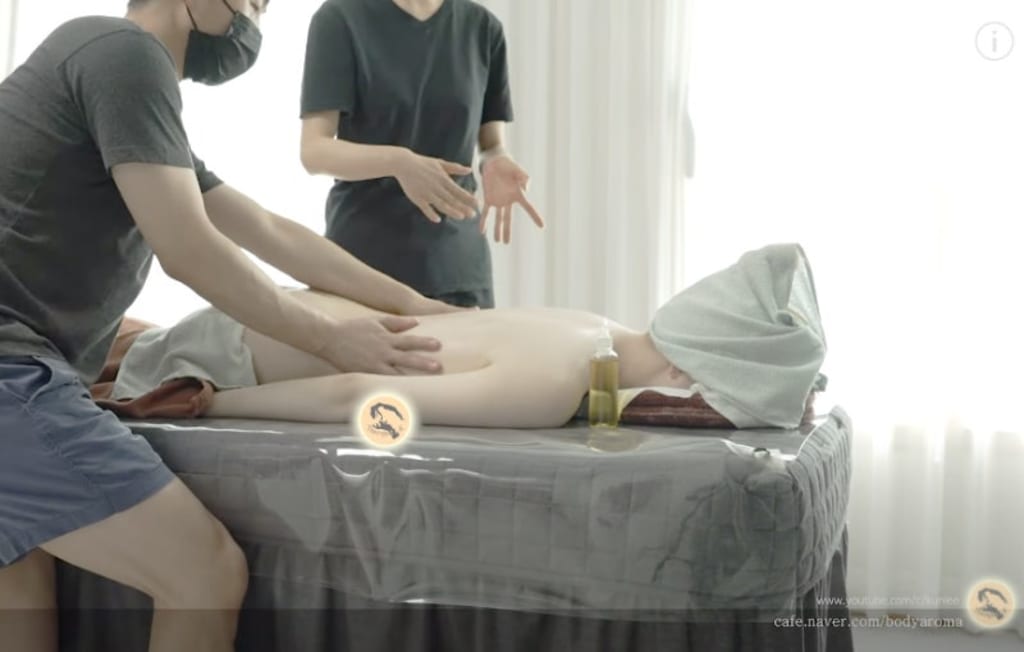
In clinical settings, Swedish massage is used for a variety of purposes. The main goals are general relaxation of the body, muscle tension relief, improved blood circulation, and stress and pain relief. It is recognized as an important therapeutic approach, especially in the rehabilitation process of patients with musculoskeletal disorders, chronic pain, and recovery.
Introduction
Swedish massage is a representative Western massage technique systematized by the 19th century Swedish physical education teacher Per Henrik Ring. This massage technique is a professional treatment approach developed based on the anatomical structure and physiological responses of the human body, and is characterized by gently and systematically treating muscles and soft tissues.
In clinical settings, Swedish massage is used for various purposes. The main purposes are overall relaxation of the body, relief of muscle tension, improvement of blood circulation, and relief of stress and pain. It is recognized as an important therapeutic approach in the rehabilitation process of patients with musculoskeletal diseases, chronic pain, and recovery.
This massage technique has been developed based on long-term scientific research and clinical experience, and has established itself as an important non-pharmacological treatment method in the fields of modern medicine and wellness.
Clinical Uses of Swedish Massage
Swedish massage is effectively used in various clinical settings. First, it is applied to various pain management such as chronic back pain, arthritis, and sports injuries. It directly helps relieve pain by relieving muscle tension and improving blood circulation.
It also plays an important role in reducing stress and psychological tension. It is especially effective in stabilizing the mind and body of office workers and those in high-risk stress jobs. The gentle touch and rhythmic techniques that occur during the massage process stabilize the autonomic nervous system, contributing to lowering cortisol levels.
In terms of improving blood circulation, it promotes lymphatic circulation and improves the supply of nutrients to muscle tissue. It is an important therapeutic approach, especially for patients who sit for long periods of time or have limited movement.
Finally, it is excellent for muscle relaxation. It relieves muscle stiffness and improves flexibility, playing an important role in rehabilitation treatment or recovery after exercise.
Clinical effects
The clinical effects of Swedish massage have been proven in various aspects, as follows:
Pain relief effect: Swedish massage effectively reduces chronic pain through a systematic approach to muscles and soft tissues. It has a remarkable relieving effect, especially in back pain, muscle stiffness, and joint pain. The gentle pressure and strokes that occur during the massage process regulate the stimulation of pain receptors and activate endogenous pain relief mechanisms.
Stress and anxiety reduction: Massage stabilizes the autonomic nervous system, reducing the secretion of stress hormones such as cortisol. This helps relieve psychological tension and improve overall mental well-being. Regular massage lowers anxiety levels and provides psychological stability.
Improves blood circulation: The gentle techniques of Swedish massage dilate blood vessels and promote blood flow. This improves the supply of nutrients to tissues and promotes the discharge of waste products, improving overall body function. It is an important therapeutic approach, especially for patients with circulatory disorders.
Muscle relaxation and flexibility improvement: Massage relieves muscle tension and increases the range of motion of joints. Deep tissue massage techniques relieve muscle fiber stiffness and increase flexibility, increasing freedom of body movement. It plays a particularly important role in rehabilitation and post-exercise recovery.
In conclusion
Swedish massage has proven its worth as a non-invasive and effective treatment method in modern clinical settings. It has shown excellent therapeutic effects in various aspects, such as pain management, stress reduction, improvement of blood circulation, and muscle relaxation, and plays an important role in the physical and mental health management of modern people.
In the future, Swedish massage is expected to further develop by merging with personalized medical approaches. By combining artificial intelligence and biometric data analysis technology, it will be possible to develop customized massage protocols optimized for an individual's physical condition and needs. In addition, it has the potential to expand into various medical fields such as chronic disease management, sports medicine, and rehabilitation treatment.
In conclusion, Swedish massage is evolving from a simple relaxation technique to a scientific and systematic treatment method, and it is expected to establish itself as an important non-invasive treatment method that will contribute to human health and well-being in the future.
About the Creator
Mr. choi
I think you can enjoy sports more if you have basic knowledge about sports. I want to create opportunities to learn little by little. I want to provide information such as sports broadcasts and sports news.
Day 4 of Quitting
If this is how sobriety feels, maybe it’s better to go through life a little buzzed… this, along with other hits like, I want to kill myself, I wish I was dead, and I’m going to throw myself off a bridge have been the only thoughts on rotation these past few days. I promise myself that if, in a month, I still feel like this (‘this’ meaning despondent, full of rage, and simultaneously numb) I can go back to smoking. Until mid-February though? Nicotine is off the table.
By sleepy drafts12 days ago in Longevity
So You Decided To Become a Nurse Practitioner:
So you decided to become an "Advanced Practice" nurse. Congratulations!... is what I would say if this was a good idea. Grad school? In this economy? What were you thinking? Likely it was something along the lines of either 1) “I've seen these other chucklefucks do it— Why can't I?” or even 2) “I've got a nice career, I should shake it up. I miss feeling like I have no clue what I'm doing.”
By Sandor Szabo2 days ago in Fiction


Comments
There are no comments for this story
Be the first to respond and start the conversation.