
Is winter the "death knell" for the elderly?! After the age of 50, keep in mind the "Three Precautions and Two Taboos" to get through winter smoothly!
Is winter the "death knell" for the elderly?! After the age of 50, keep in mind the "Three Precautions and Two Taboos" to get through winter smoothly!

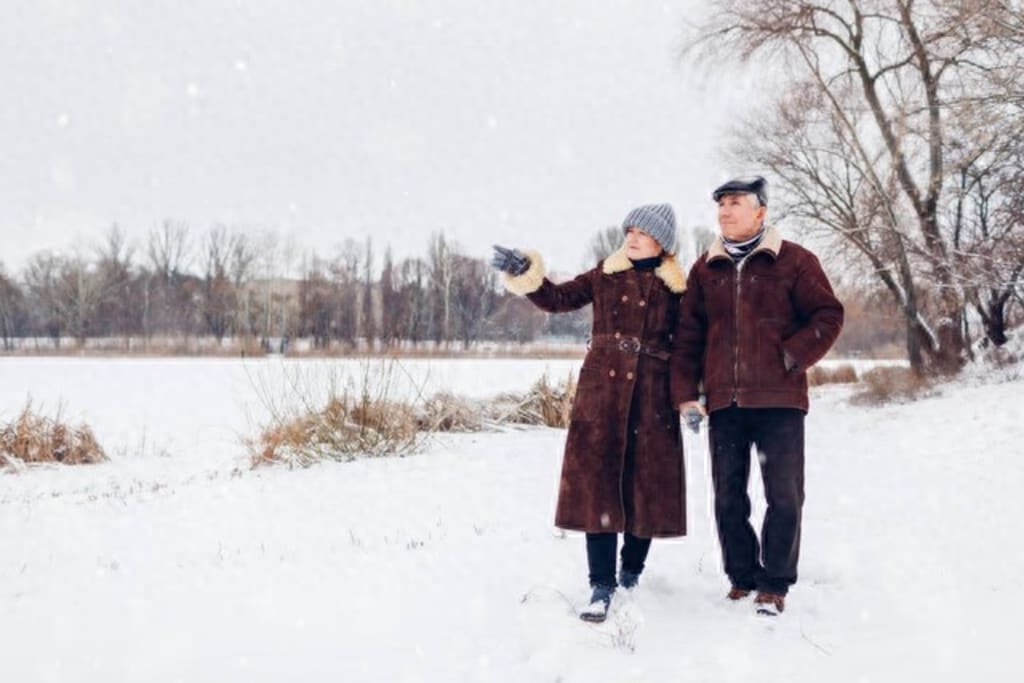
At the end of the cold winter, for people over 50, especially the elderly, it is indeed a season when they need to pay extra attention to their health. The cold temperatures, dry air in winter, and relatively reduced outdoor activities all quietly increase the risks of various diseases. Therefore, winter is vividly called the "life-threatening hurdle" for the elderly. However, if you can keep in mind the "Three Precautions and Two Taboos", it's like building a solid defense line for health and helping to spend the winter safely.
Cold weather is one of the important factors that induce many health problems in winter. As people age, the body's ability to regulate body temperature gradually declines. The body becomes more sensitive to the cold and has difficulty adapting quickly to changes in temperature. When the body is exposed to a low-temperature environment for a long time, blood vessels will constrict, leading to an increase in blood pressure. For elderly people with cardiovascular diseases, this greatly increases the risk of acute cardiovascular and cerebrovascular events such as myocardial infarction and stroke.
To effectively keep warm against the cold, first of all, pay attention to adding more clothes and bedding. Choose clothes with good warmth retention, lightness, and comfort, such as down jackets and cashmere sweaters. Especially strengthen the warmth preservation of parts like the head, neck, and feet. Wear hats, scarves, and warm shoes. Keep the indoor temperature at an appropriate level. Heating equipment such as heaters and air conditioners can be used, but pay attention to maintaining air humidity to avoid respiratory discomfort caused by excessive dryness. In addition, when going out, try to avoid the periods when the temperature is relatively low in the morning and evening. If you have to go out, also take sufficient warm-keeping measures and reduce the time of staying in the cold environment.
In winter, there is often snow and ice on the road surface, which greatly reduces the safety factor of walking and significantly increases the probability of the elderly falling and getting injured. Most elderly people have the problem of osteoporosis. Once they fall, they are prone to fractures, such as hip fractures and wrist fractures. These not only bring great pain to the elderly but may also lead to a series of complications, seriously affecting the quality of life and physical health, and even endangering lives.
To prevent falls and injuries, it is necessary to start from multiple aspects. When choosing shoes, select those with anti-slip functions to increase the friction when walking. Keep the floors at home dry and tidy. Clean up water stains and sundries in time to avoid falls caused by slippery floors. In places like bathrooms and toilets where it's easy to slip, install handrails, anti-slip mats and other facilities to provide additional safety guarantees for the elderly. When the elderly go out, it's best to have family members accompany them. Walk slowly, be careful, pay attention to observing the road conditions, and avoid areas with ice and snow.
The cold and dry air in winter, combined with the fact that most people stay indoors and the air is not circulated, creates favorable conditions for the spread of respiratory diseases. For people over 50, the defense function of the respiratory mucosa is relatively weak, and they are more vulnerable to the invasion of pathogens such as viruses and bacteria, which can trigger respiratory diseases such as colds, influenza, and pneumonia. These diseases will not only cause uncomfortable symptoms such as coughing, expectoration, and fever. For elderly people with underlying lung diseases such as chronic obstructive pulmonary disease and asthma, they may also induce the aggravation of the disease and even lead to serious consequences such as respiratory failure.
To prevent respiratory diseases, first of all, pay attention to strengthening indoor ventilation. Open windows regularly every day to keep the indoor air fresh. During the high-incidence season of influenza, try to avoid going to crowded places. If you have to go, you can wear masks to reduce the risk of virus transmission. In addition, preventive measures such as getting vaccinated against influenza and pneumonia are also particularly important for the elderly, which can effectively reduce the incidence and severity of respiratory infections. At the same time, maintaining good personal hygiene habits, such as washing hands frequently and not spitting everywhere, also helps to reduce the spread of pathogens.
The temperature is low in winter, and the body's heat consumption is relatively large. Many people will unconsciously increase their food intake and prefer high-calorie and high-fat foods, thinking that this can resist the cold. However, for people over 50, especially elderly people with cardiovascular diseases such as hypertension, hyperlipidemia, and coronary heart disease, an overly greasy diet will increase lipid components such as cholesterol and triglycerides in the blood, resulting in an increase in blood viscosity. Plaques are likely to form on the blood vessel walls, further aggravating blood vessel stenosis, affecting blood circulation, and increasing the risk of cardiovascular and cerebrovascular diseases.
Therefore, in the winter diet, avoid eating too much high-fat food such as fried food, animal offal, and fat. Instead, focus on a balanced diet. Increase the intake of foods rich in dietary fiber, such as vegetables, fruits, and whole grains. Moderately consume high-quality proteins, such as lean meat, fish, beans, eggs, and milk. This can not only ensure the nutrients needed by the body but also help maintain vascular health. At the same time, keep a regular diet, avoid overeating, follow the principle of eating less but more frequently, relieve the burden on the stomach and intestines, and promote digestion and absorption.
Appropriate exercise in winter helps to enhance the body's resistance and immunity and promote blood circulation, which is beneficial to physical health. However, for people over 50, their physical functions have declined, and they need to be more cautious when exercising to avoid excessive exercise. Excessive exercise may lead to problems such as physical fatigue, muscle strains, joint injuries, and may also make the heart burden too heavy and trigger cardiovascular accidents.
When choosing sports items, you should choose some relatively gentle and soothing sports according to your own physical condition and hobbies, such as walking, Taijiquan, Baduanjin, yoga, etc., and avoid strenuous sports such as long-distance running, basketball, and football. The intensity of exercise should be moderate. It's appropriate to feel slightly sweaty and relaxed and comfortable after exercise. The exercise time should not be too long. Generally, 30 to 60 minutes each time is enough. Before exercise, do sufficient warm-up preparation activities, such as moving joints and stretching muscles. After exercise, do appropriate relaxation exercises to help relieve muscle fatigue and reduce the occurrence of sports injuries.
In short, people over 50 should pay special attention to their own health in winter. Keep in mind the "Three Precautions and Two Taboos", start from every bit of life, develop good living habits and healthy behaviors. Family members should also give more care and help the elderly get through the cold winter safely and welcome the warm spring. Let's work together to escort the health of the elderly and make their old age life happier and more fulfilling.
About the Creator
L-doctor
Share medical science knowledge from time to time
Day 4 of Quitting
If this is how sobriety feels, maybe it’s better to go through life a little buzzed… this, along with other hits like, I want to kill myself, I wish I was dead, and I’m going to throw myself off a bridge have been the only thoughts on rotation these past few days. I promise myself that if, in a month, I still feel like this (‘this’ meaning despondent, full of rage, and simultaneously numb) I can go back to smoking. Until mid-February though? Nicotine is off the table.
By sleepy drafts20 days ago in Longevity
The Morning She Finally Chose to Stay
Rebecca didn't plan to be alive on her thirty-second birthday. She'd spent the previous six months in a fog so thick that some days she couldn't remember what hope felt like. Depression had wrapped itself around her like a heavy blanket, suffocating every dream, every smile, every reason to keep going.
By Fazal Hadia day ago in Longevity
Affection and Healing for Yourself
During the night of the last quarter moon, I gathered my ritual supplies. I carefully handled the chunk of black tourmaline that would protect me from your overall negative and narcissistic energy. I carefully walked the house with my stick of selenite in hand, asking the universe to cleanse our working space.
By Alisha Wilkins ✒️🦋🖋️8 days ago in Fiction




Comments
There are no comments for this story
Be the first to respond and start the conversation.